Why controlled home ventilation is important
All Topics at a glance
- How home ventilation systems work
- Advantages of home ventilation systems
- Centralized or decentralized ventilation
- Active vs. passive heat recovery
- Advantages and disadvantages of ventilation systems
- Areas of application for ventilation systems
- Conclusion
Well-insulated buildings have a low natural air exchange. Controlled home ventilation manages this air exchange automatically. Systems with heat recovery use part of the heat from the extract air for the supply air.
IS WINDOW VENTILATION THE SOLUTION?
Opening windows also allows indoor air to be exchanged. In everyday life, however, this does not always happen regularly or according to demand.
A ventilation system manages the air exchange automatically. This means you do not need to regularly open the windows for ventilation.

How controlled home ventilation works
1. Automatic air exchange
A ventilation system regulates the air exchange in your home automatically. It supplies outdoor air and removes extract air.
2. Heat recovery from extract air
Ventilation systems with heat recovery use part of the heat from the extract air. This heat is transferred to the incoming supply air. This can reduce ventilation heat losses.
3. Filtered supply air
Before outdoor air enters your rooms, it passes through filters. Depending on the filter system, dust and pollen in the supply air can be reduced.
Benefits of controlled home ventilation
✔ Automatic air exchange without regularly opening the windows
✔ Supports the removal of moisture from indoor spaces
✔ Heat recovery can reduce ventilation heat losses
✔ Filters can reduce dust and pollen in the supply air
✔ Convenient control options depending on the system
Centralized or decentralized ventilation - which suits you?
Ventilation systems manage regular air exchange automatically. Depending on the system, filters and heat recovery can also be used.
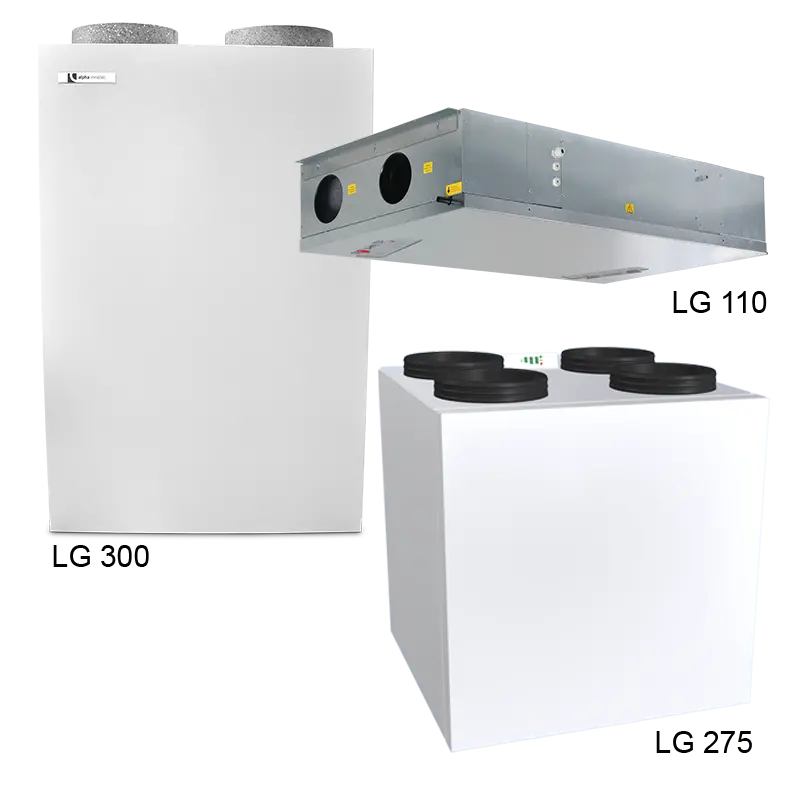
A distinction is generally made between centralized and decentralized ventilation systems. Centralized systems use one unit to supply several rooms via air ducts. Decentralized units are installed directly in individual rooms.
There are also different types of heat recovery. Heat can be recovered passively via a heat exchanger or actively with an integrated heat pump.
Centralized home ventilation: easy to plan in new buildings
With centralized ventilation, air is distributed to several rooms via a duct system. One central unit supplies outdoor air and removes extract air.
Centralized systems can be integrated particularly well into new buildings or major renovation projects. Retrofitting is also possible, but may require more installation work.
Decentralized home ventilation: flexible for retrofitting
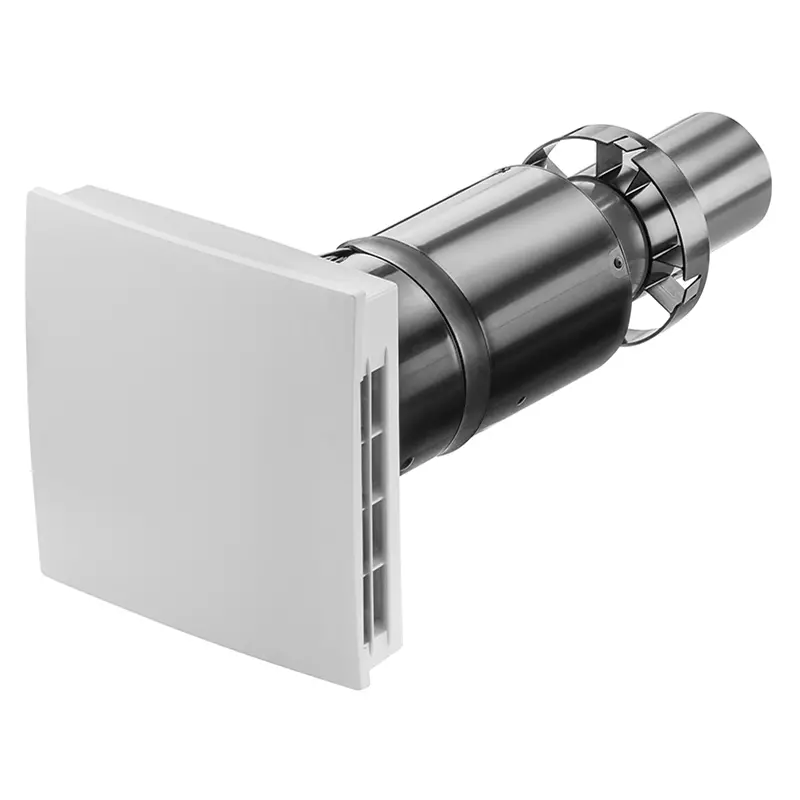
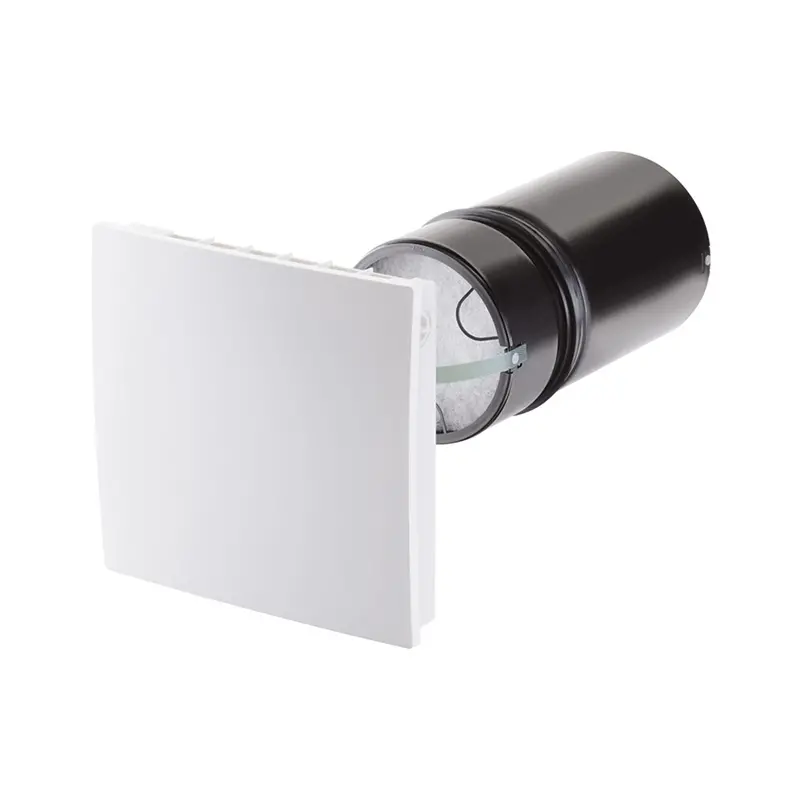
Decentralized ventilation units can be a suitable solution for retrofitting individual rooms.
The units are installed directly in the external wall. If several rooms are to be ventilated, additional units are required.
Their decentralized design makes these systems particularly suitable for modernization projects.
Active vs. passive heat recovery
A ventilation system with heat recovery uses part of the heat from the extract air. This heat is used to preheat the incoming supply air.
This can reduce ventilation heat losses.
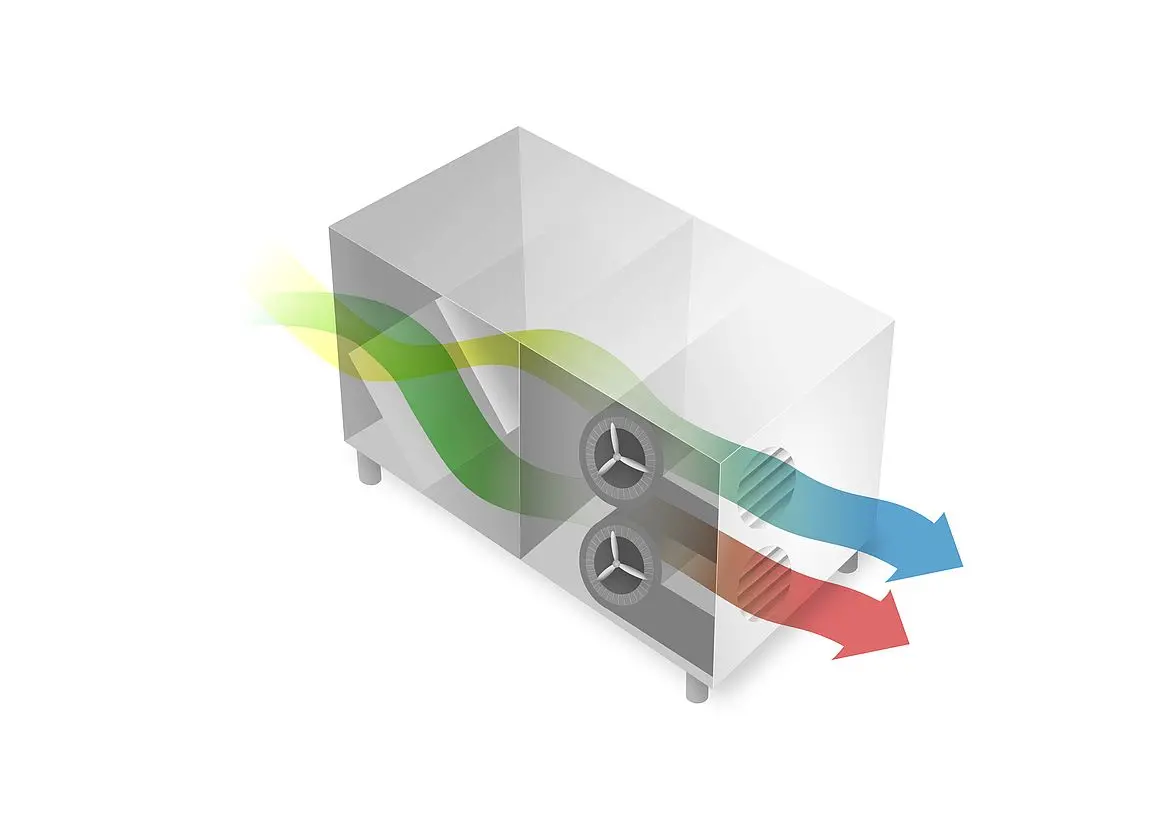
PASSIVE VENTILATION SYSTEMS
With passive heat recovery, a heat exchanger transfers part of the heat from the extract air to the supply air.
ACTIVE VENTILATION SYSTEMS
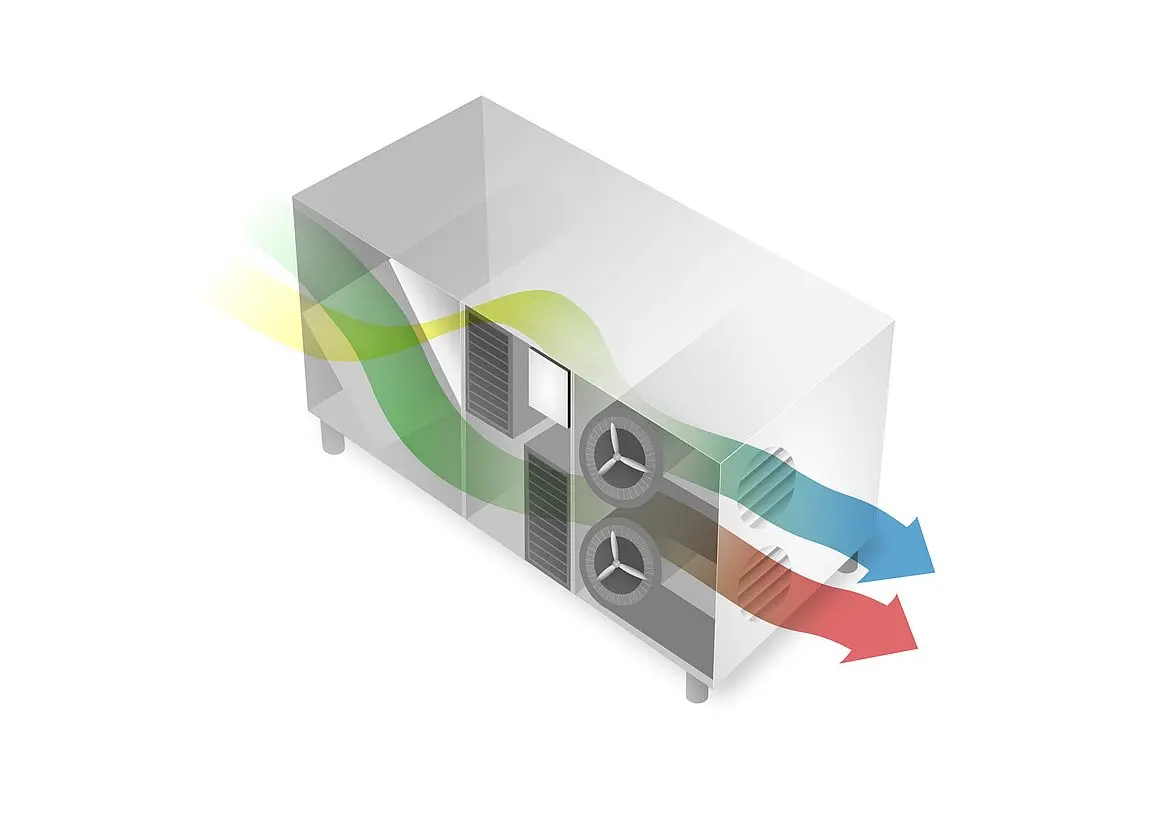
With active heat recovery, a heat pump is integrated into the system. Depending on the equipment, the recovered heat can be used in different ways.
In addition to tempering the supply air, it can also be used for domestic hot water preparation, depending on the system.
If the integrated heat pump supports reversible operation, the system can also be used for cooling.
Advantages and disadvantages of ventilation systems
Advantages of ventilation systems | Disadvantages of ventilation systems |
|---|---|
Automatic air exchange | Purchase and installation costs |
Heat recovery can reduce ventilation heat losses | Additional electricity consumption during operation |
Filters can reduce dust and pollen in the supply air | Planning and installation requirements depend on the building |
Regular window ventilation is not required | Regular maintenance and filter changes are required |
Different control options depending on the system |
Areas of application for home ventilation
Not every type of ventilation system is equally suitable for every building. The right solution depends on the condition of the building, the planning requirements and the desired functions.
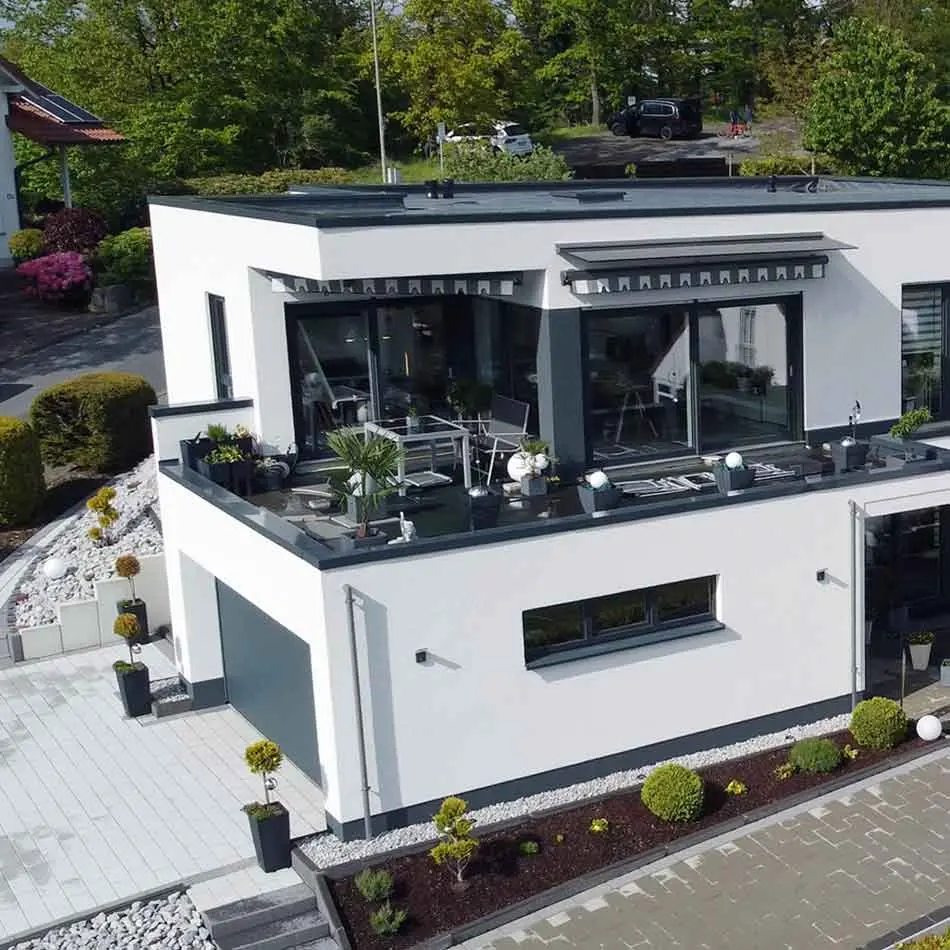
VENTILATION SYSTEMS IN NEW BUILDINGS
In new buildings, different ventilation systems can be considered at an early planning stage.
Centralized systems can be planned together with the required air ducts. Depending on the requirements, systems with passive or active heat recovery can be used.
The suitable solution depends on the building and the required functions.
VENTILATION SYSTEMS IN EXISTING BUILDINGS
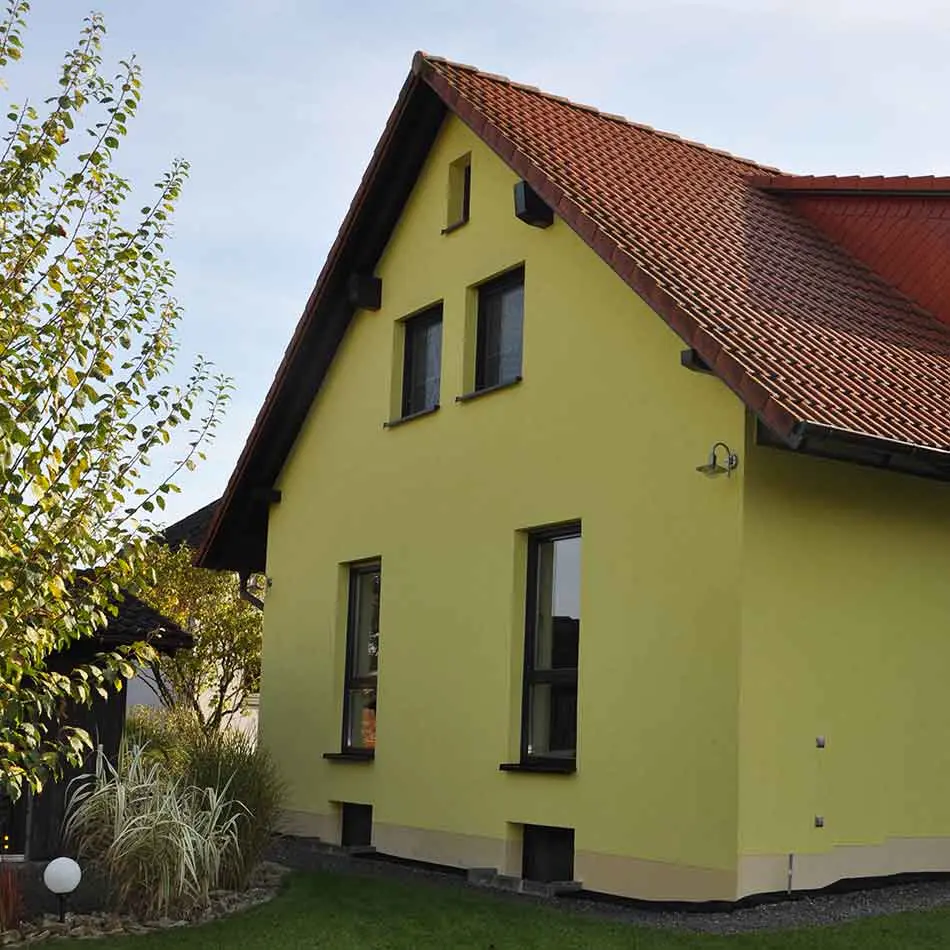
In existing buildings, the suitable solution depends on the condition of the property and the structural requirements.
Decentralized ventilation units can be suitable for retrofitting individual rooms. Centralized systems are also possible but usually require more installation work.
The most suitable option should be assessed individually.
Conclusion: Automatic air exchange for your home
Whether for a new building or a retrofit, controlled home ventilation manages regular air exchange automatically.
Systems with heat recovery also use part of the heat from the extract air for the supply air. Depending on the filter system, dust and pollen in the incoming air can also be reduced.
The suitable solution depends on your building, your requirements and the desired functions.
Get in touch with us now and find a suitable solution for your home!