Checklist: Is a heat pump suitable for your old building?
Go through the questions point by point. If you can answer most of them with ‘yes’, your house is very likely suitable for a heat pump.
🏠 INSULATION
- Are the roof and facade at least partially insulated?
- Is the basement ceiling insulated so that less heat is lost downwards?
- Do you have modern windows with double or triple glazing?
💡alpha innotec tip: With an individual renovation roadmap (iSFP), you can immediately see where improvements are needed.
🔥 HEATING SURFACES
- Do you have underfloor or wall heating that operates at low flow temperatures?
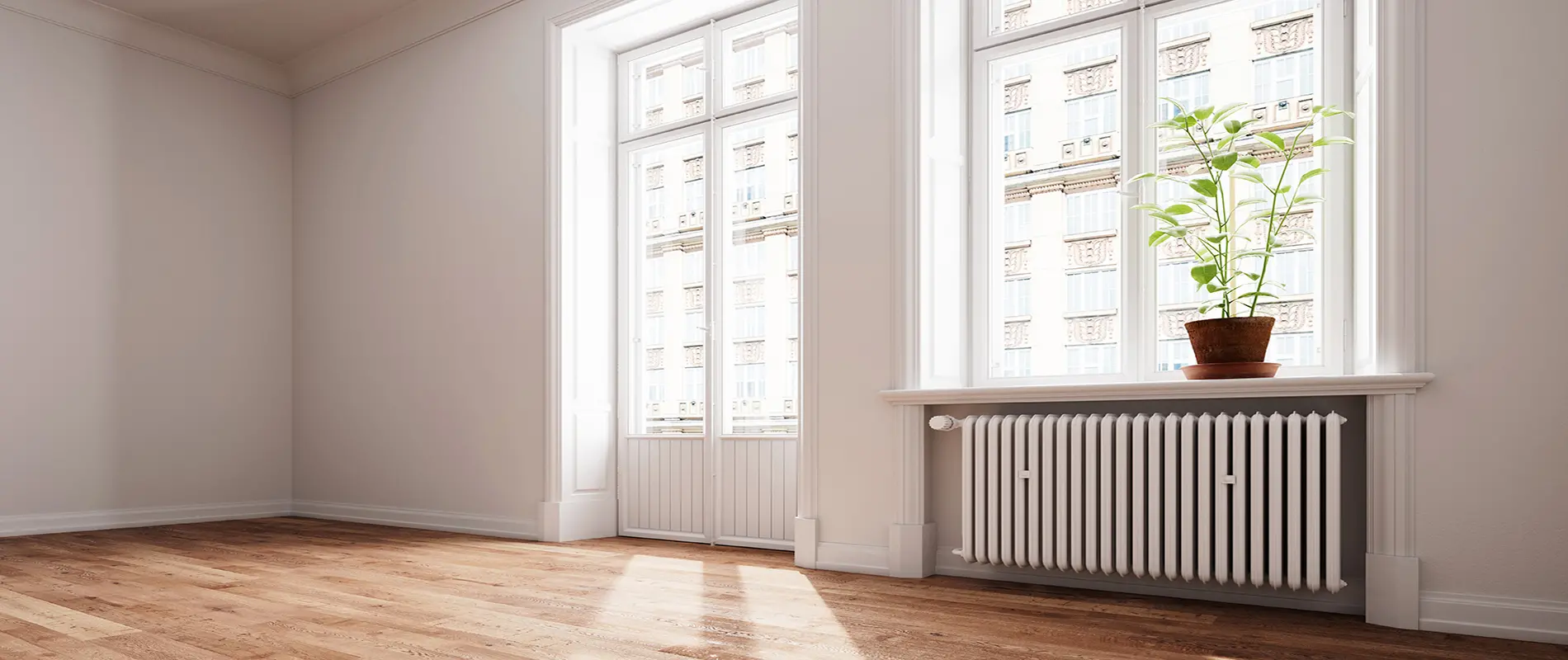
- Do you use large panel or surface radiators?
- Are there still old ribbed radiators, and would you consider replacing them if in doubt?
💡alpha innotec tip: Simply switching to a few larger radiators can significantly increase efficiency.
🌡️ FLOW TEMPERATURE
- Is the flow temperature of your heating system usually below 55 °C?
- Is your system set up so that it does not have to operate continuously at temperatures above 60 °C, even when the outside temperature is cold?
- Would a high-temperature heat pump or hybrid solution be an option for you if higher temperatures are required?
💡alpha innotec tip: You can read the flow temperature directly on the boiler – or have it checked by a heating engineer.
📦 SPACE REQUIREMENTS
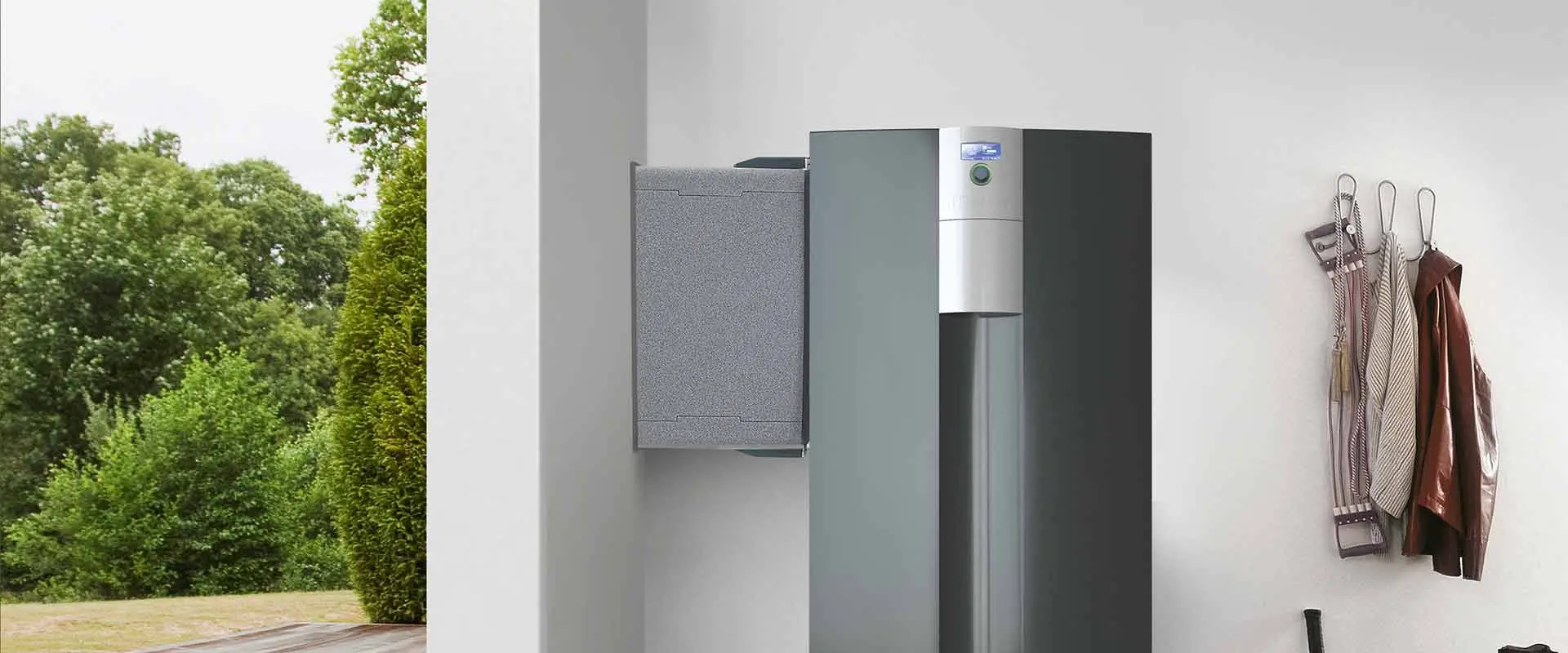
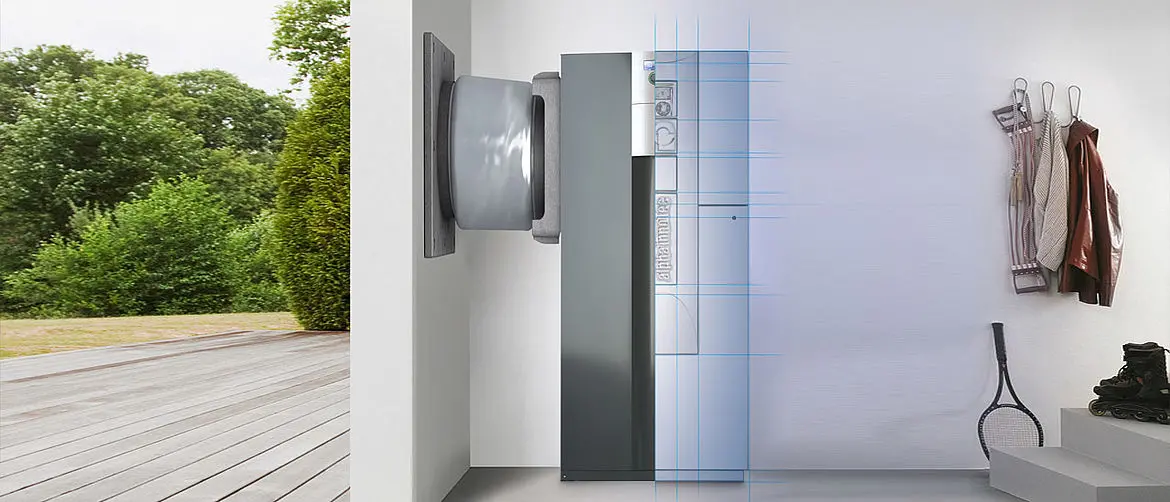
- Do you have space in your house for a hydraulic module, buffer tank and hot water tank?
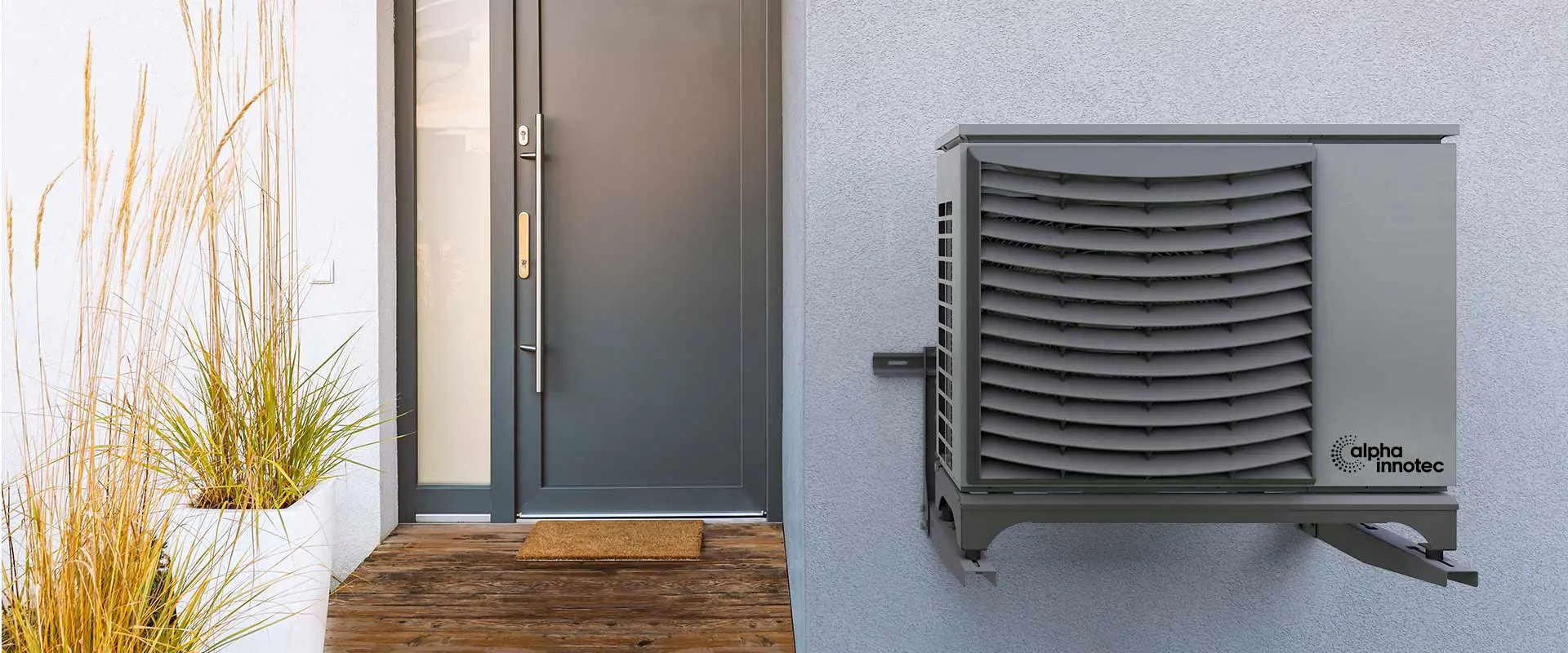
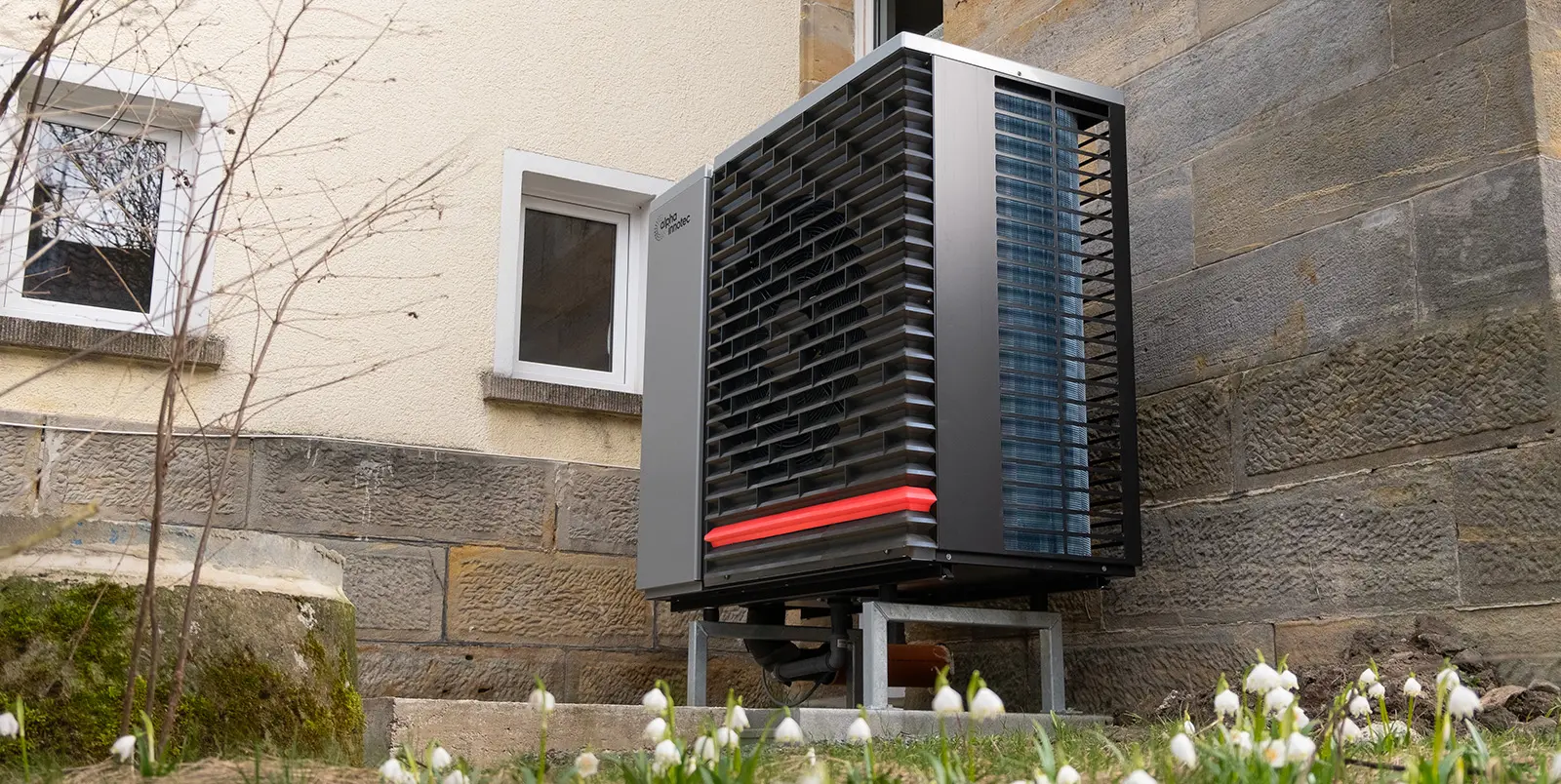
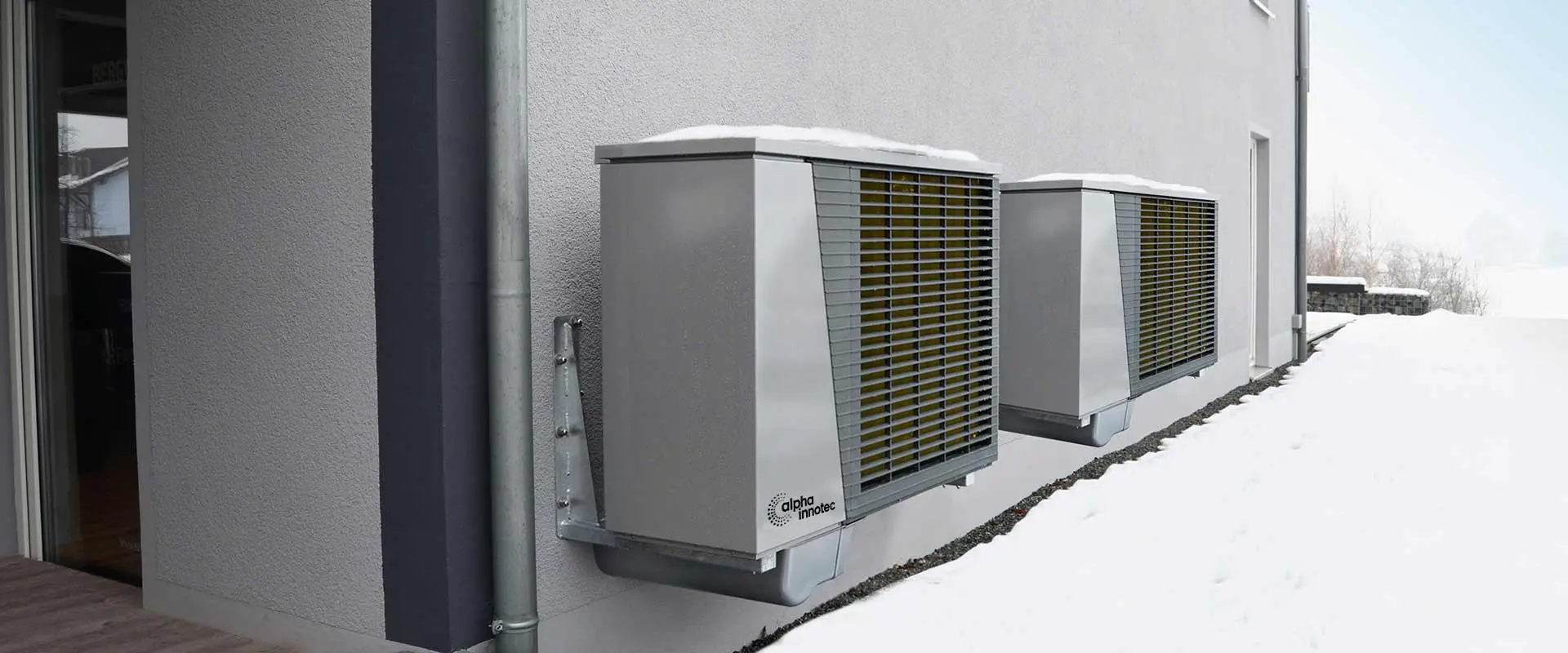
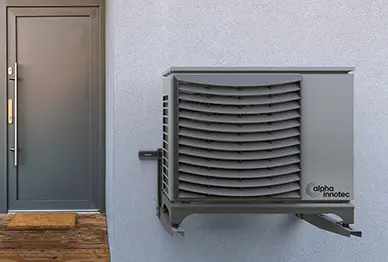
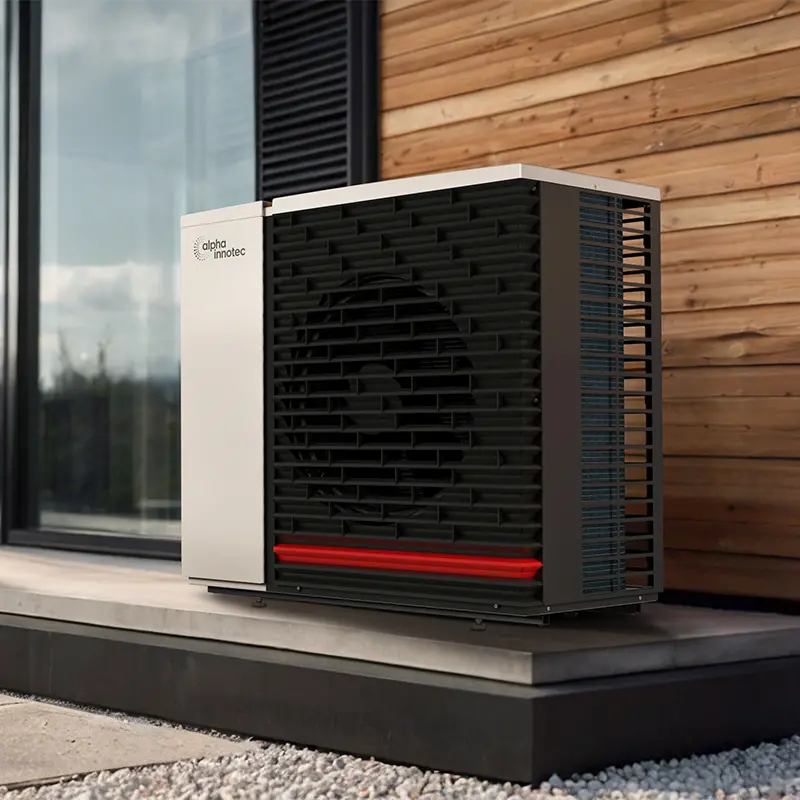
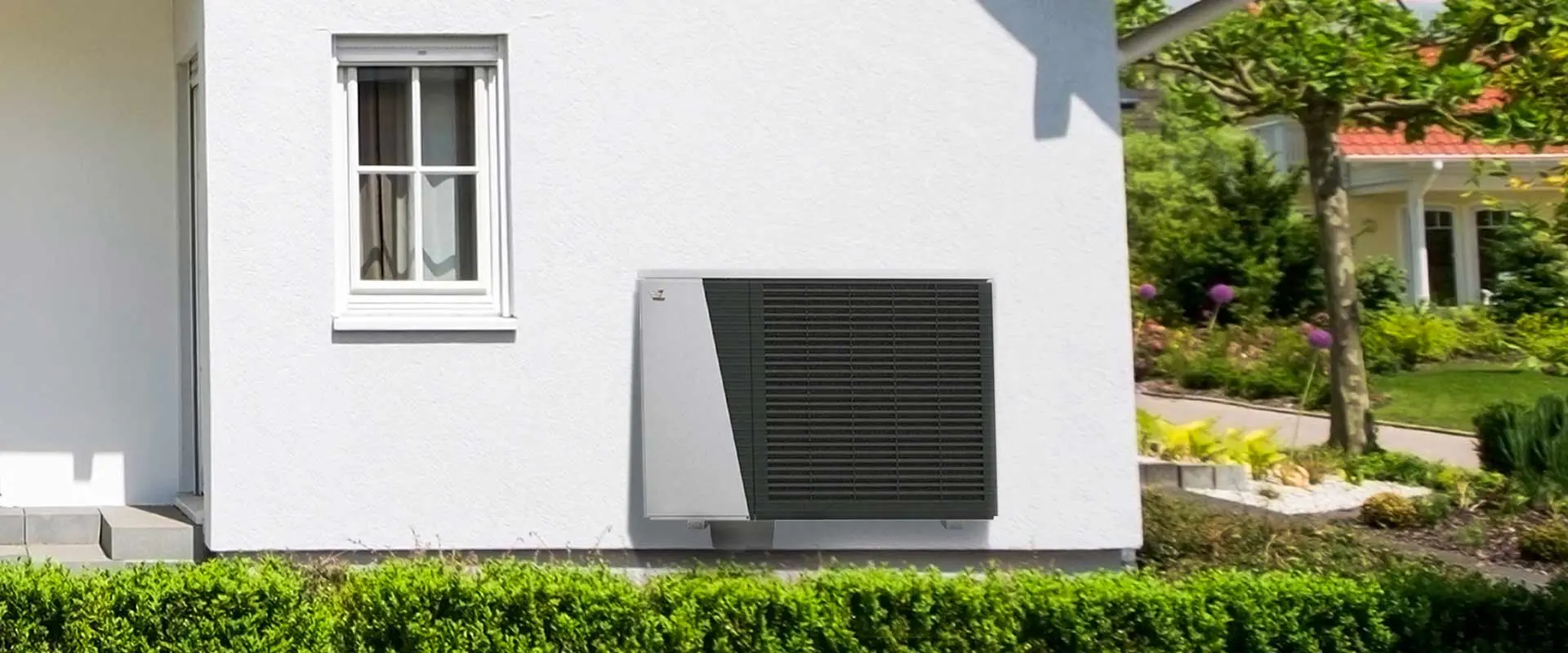
- Is there a free space outside for the outdoor unit, with sufficient distance from windows and neighbours?
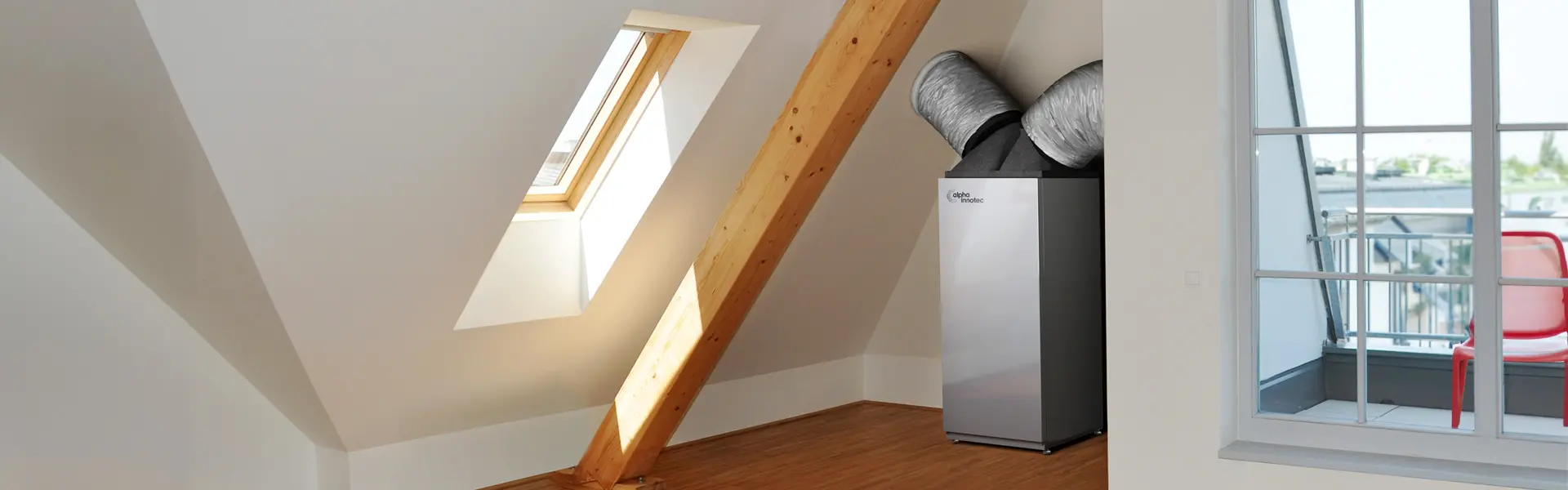
- If not, could the attic also be considered as a possible installation location?
💡alpha innotec tip: The installation location and sound insulation are particularly important for air-to-water heat pumps – it is best to plan ahead.
⚡ POWER SUPPLY
- Can your electricity connection cover the additional demand of a heat pump?
- Would you use a special heat pump electricity tariff?
- Is it possible or planned for you to combine it with a photovoltaic system?
💡alpha innotec tip: PV electricity significantly reduces operating costs, especially in summer when the system is used to heat water.








.webp)
_Referenz%20Neustadt%20am%20R%C3%BCbenberge.webp)

.webp)