.webp)
Service life of a heat pump
Anyone investing in a climate-friendly heating system will quickly ask themselves: How long
does a heat pump actually last? The short answer is: 15-20 years or more with good maintenance and correct dimensioning. However, the actual service life also depends on the type of heat pump and the operating mode.
The most important facts in 10 seconds
- Service life: usually 15-20 years, sometimes significantly longer
- Most devices can operate for over 100,000 hours
- Typical wear parts: compressors, heat exchangers, sensors
- Air source heat pumps usually have a shorter service life than brine or water source
heat pumps lifetime - Early detection of problems can prevent major damage
How long does a heat pump really last?
The average service life of a heat pump is 15 to 20 years. However, under optimal conditions, it can last significantly longer. Among other things, the maintenance intervals, the quality of installation and how consistently the system can operate are decisive factors in this regard.
Unlike traditional heating systems, it is not only age that is decisive, but also how intensively and efficiently the system is operated.
Service life in operating hours
Most manufacturers calculate their heat pumps to have a service life of approximately 100,000 to 120,000 operating hours. Based on normal operation of approximately 6,000 hours per year, this corresponds to a service life of over 15 years. In very energy-efficient buildings or with appropriate dimensioning, the actual service life may even be longer.
- Regular operation = less stress on the technology
- Frequent starts and stops (see below) shorten the overall service life
- Systems with modulating compressors often have less wear and tear
Service life in starts (switching cycles)
In addition to operating hours, the number of starts (switching the compressor on and off) also plays an important role. Typical heat pumps are designed for 200,000 to 300,000 starts. Frequent and short work cycle ("cycling") place a heavy load on the compressor and can significantly shorten its service life.
💡alpha innotec Tip:
Good control, buffer or hygiene storage tanks and correct design help to reduce the start frequency.
Comparison with other heating systems
Heating system | Ø Service life | Notes |
15–20 years | Depends heavily on location and maintenance | |
20–25 years | Long-lasting with stable brine system | |
10-15 years | Main factors: water quality, descaling and hygiene | |
Gas heating | 15–25 years | Low maintenance costs, but fossil fuel technology |
Oil heating | 20–30 years | Higher environmental impact |
Pellet heating | 20–25 years | Mechanically complex, maintenance-intensive |
Service life by heat pump type
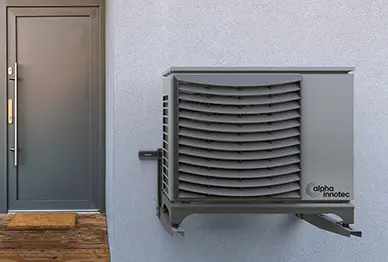
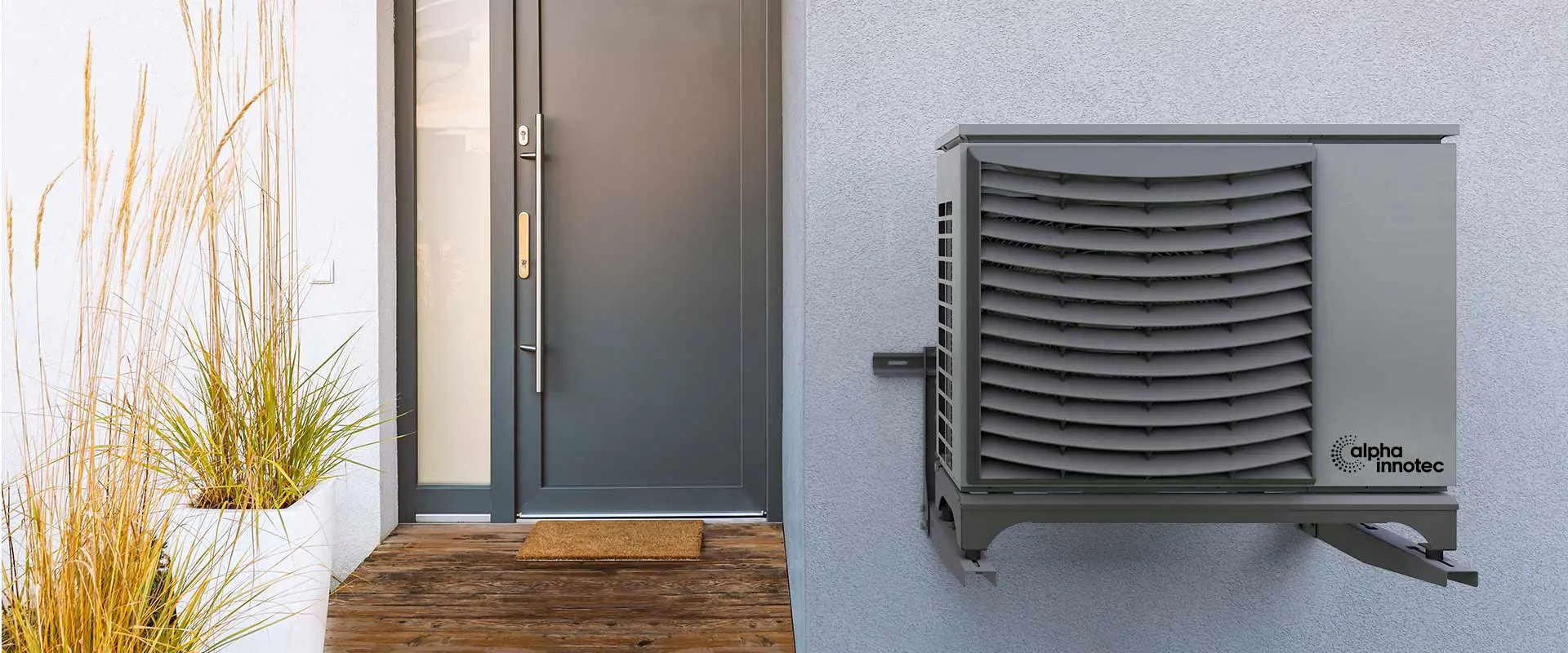
The service life of modern heat pumps depends not only on maintenance and use, but also significantly on the type of construction. Air-to-water heat pumps have an average service life of 15 to 20 years, but are more sensitive to environmental influences such as weather, leaves or dirt.
Ground source heat pumps, on the other hand, are considered a particularly robust heat source, which can operate in the ground under constant conditions without constantly changing environmental factors. A service life of 20 to 25 years is realistic here, provided that the brine system is leak-proof and stable.
Hot water heat pumps, which are often used to heat drinking water, have the shortest service life of 10 to 15 years. Water quality, descaling and hygiene are particularly important here. Compared to traditional heating systems, heat pumps perform well — especially when efficiency and environmental friendliness are taken into account.

Life time of heat pumps - Customers report
From our experience with heat pumps from alpha innotec, we know that those who focus on quality and have their systems serviced regularly benefit from a remarkably long and trouble-free operating life.
What can break down at a heat pump?

Component | Possible problems |
Compressor | Wear, bearing damage, start-up problems |
Heat exchanger | Corrosion, blockages, leaks |
Fans | Staining, bearing damage, imbalance |
Electronics/controls | Sensor errors, software problems, short circuits |
Refrigerant circuit | Leaks, pressure losses, loss of refrigerant |
Circulation pump/ valves | Calcification, failure due to blockage |
Filters / strainer | Blockage due to deposits |
The compressor
The compressor ensures that the refrigerant is compressed and the ambient heat is utilised. Over the years, mechanical wear, bearing damage and frequent cycling can occur. A defective compressor often results in a total economic loss of the heat pump. Good maintenance service is important here as a preventive measure to increase the service life of heat pumps.
The heat exchanger
Heat exchangers are found in the outdoor and indoor circuits. Possible problems include:
- Corrosion, e.g. due to unsuitable heating water
- Blockages caused by limescale, air or dirt
- Leaks leading to pressure loss
The refrigerant
The refrigerant circuit is normally closed, which means that in an intact system, the refrigerant remains usable for the entire service life of the heat pump. Nevertheless, small leaks, pressure losses or refrigerant leaks can occur. Depending on the type of refrigerant, replacement or refilling is only permitted by certified specialist companies.
How can I tell if my heat pump is faulty?
- Unusual noises
- Frequent cycling (on/off)
- Significantly increased power consumption
- Failure to reach room temperature
- Error codes on the display
- Condensation forming in the wrong places
What affects the service life of a heat pump?
Whether a heat pump lasts 15 or 25 years depends on many factors. Some of these can be actively influenced, while others depend on local conditions. The important thing to remember is that the better the technology, usage and maintenance work together, the longer the system will last.
An overview of important influencing factors:
- Regular maintenance: Prevents damage and maintains efficiency
- Correct design: Prevents overload and frequent cycling
- Operating hours & start frequency: Many short running times = higher wear
- Quality of the heating water: Incorrect water values promote corrosion and damage
- Installation quality: Professional installation is a basic requirement for longevity
- User behaviour: Heating curve, time programmes and hot water temperature should be set appropriately
Checklist: How can I extend the service life of my heat
pump?
"With a few targeted measures, you can significantly extend the service life of your heat
pump. The most important points concern regular care, correct settings and professional
maintenance."
Marion Kirchner, Master plumber and heating engineer; Regional Sales Manager at alpha innotec
Maintenance and technology
- Have maintenance carried out every 1-2 years by a specialist company.
- Regularly check the pH value and conductivity of the heating water
- Regularly clean air filters, protective grilles and supply/exhaust air ducts in air source heat pumps.
- Keep the control software up to date (have updates carried out if necessary)
Operation
- Adjust the heating curve to the building and usage behaviour
- Make sensible use of time programmes instead of constantly intervening manually
- Do not set unnecessarily high hot water temperatures (risk of limescale!)
- Insulate rooms, bleed radiators
Environment and installation
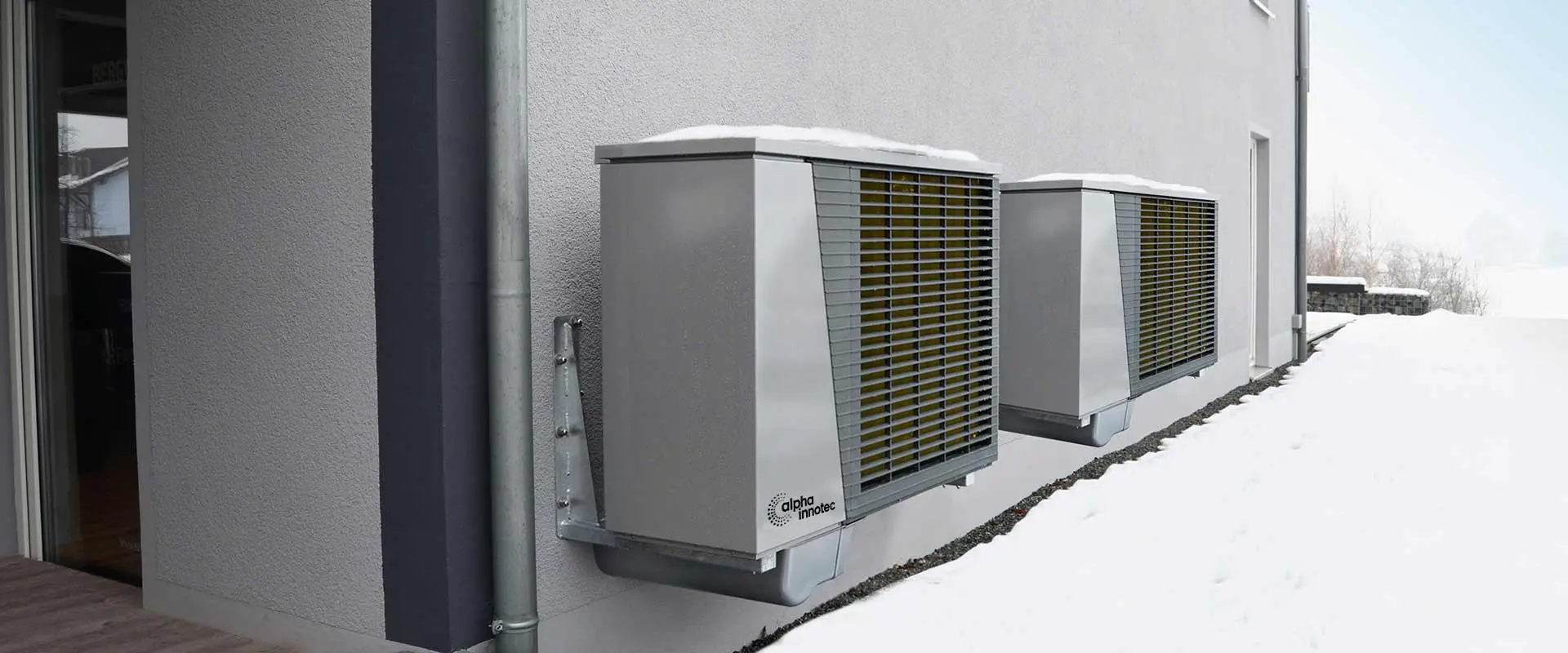
- Keep the outdoor unit clear (no leaves, no snow)
- Always have installation and design carried out by certified specialist partners
- In the event of renovations or changes in use: check the system and adjust if necessary
When does a heat pump need to be replaced?
Even though heat pumps have a long service life, they will eventually reach the end of their useful life. Generally, replacement after 15-20 years is advisable, also to avoid high operating costs due to problems or malfunctions. Outdated control systems, a lack of spare parts availability or inefficient operation compared to current models can also be strong arguments for replacement.
If you have your heat pump checked regularly by a specialist and keep an eye on technical developments, you will recognise the right time for replacement and can start looking for a high-quality new heat pump without any hassle.

Conclusion
The service life of a heat pump depends on many factors — above all, the correct design, user behaviour and regular maintenance. On average, heat pumps last 15 to 20 years, with particularly durable models lasting significantly longer. While brine and water heat pumps are usually more robust, air source heat pumps require a bit more care.

.webp)







_Referenz%20Neustadt%20am%20R%C3%BCbenberge.webp)