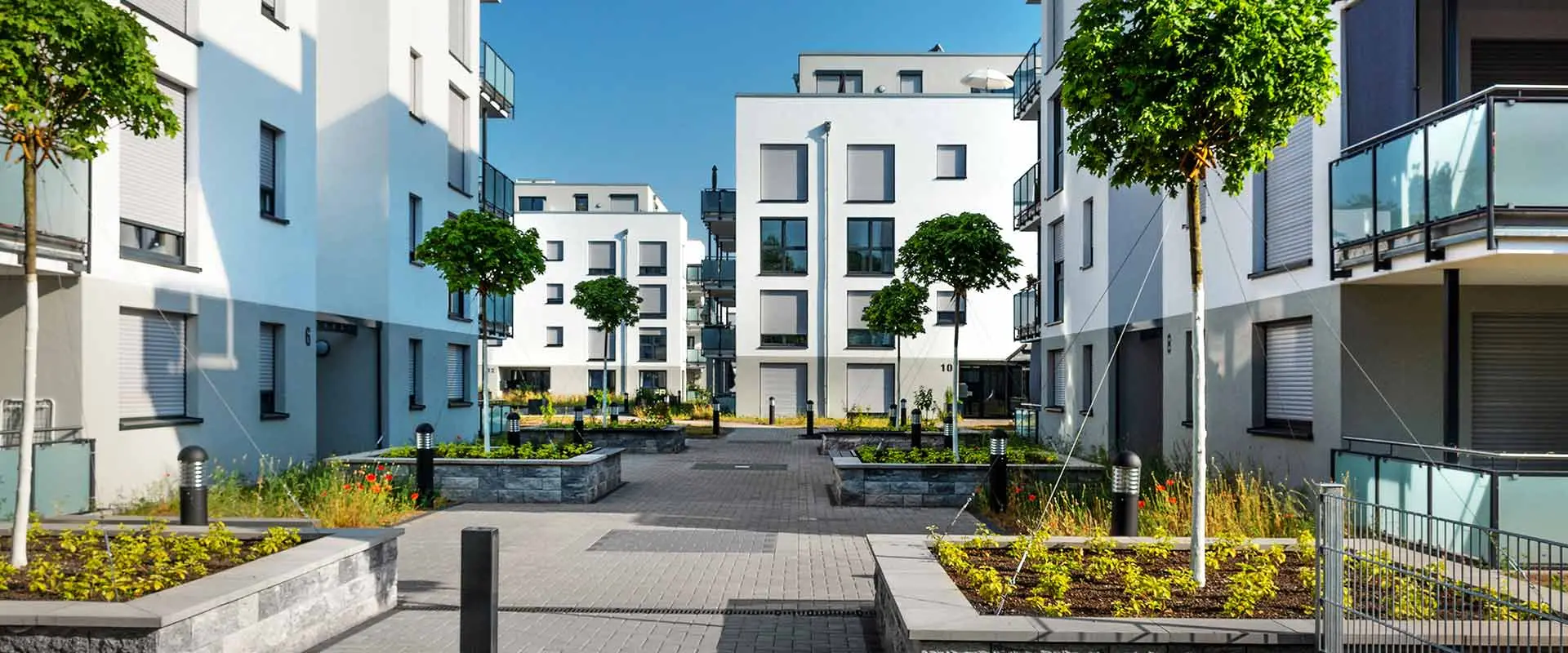
Is a heat pump a sensible option in a multi-family house?
The direct answer is yes! Heat pumps are a particularly efficient heating solution for multi-family homes. They use environmental energy from the air, ground or water to heat the building in an environmentally friendly way. The key factors here are correct design, coordinated heat distribution and choosing the right system.
The most important facts in 10 seconds
- Heat pumps are suitable for new buildings and modernised existing buildings.
- Centralised or decentralised systems enable flexible solutions.
- Lower heating and ancillary costs for owners and tenants.
- A heat pump with photovoltaics increases efficiency.
What are the advantages of a heat pump in a multy-family building?
A heat pump uses up to 75% free environmental energy from the air, ground, water or waste heat, thereby significantly reducing running costs. It operates efficiently and requires little maintenance.
The most important advantages at a glance:
- Up to 60% lower heating costs compared to oil or gas heating systems
- The value of a renovated property increases
- Reduced or even zero CO₂ costs compared to heating with gas and oil
- Investment costs for the heat pump can be added to the basic rent (if structural measures are required)
- High tenant satisfaction: 8 out of 10 tenants rate climate-friendly heating as an important decision-making criterion
Study: Heat pumps in multi-family homes put to the test in practice
How well do heat pumps really work in apartment buildings? The LowEx-Bestand research consortium, led by Fraunhofer ISE, investigated the use of heat pumps in renovated apartment buildings. The aim was to develop practical concepts for heating, hot water and ventilation and to evaluate their efficiency in real-world operation.
The study shows that heat pumps can also be implemented in existing buildings in a technically and economically viable manner, especially in combination with renovation measures. Five system solutions were investigated – from centralised to combined to apartment-specific heat pumps. Centralised systems with combined space heating and hot water preparation proved to be particularly efficient.
Further key findings of the study:
- Emissions savings > 50% compared to gas condensing boilers
- Heat pumps remain more economical in the long term, even with rising gas prices
- PV-thermal combinations (PVT collectors) are an efficient heat source for densely populated urban areas
- Heat pumps are a viable component of the heating transition in multi-family housing stock.
Which type of heat pump is suitable for a multi-family house?
Heat pump type | Energy source | Advantages | Disadvantages | Recommendation |
Ambient air | Easy installation, low cost, space-saving | Slightly higher electricity costs in winter, sound insulation required | Ideal for retrofitting and outdoor installation | |
Ground | High efficiency, very quiet, constant performance | Drilling/permit required, higher initial costs | Ideal for new buildings or large properties | |
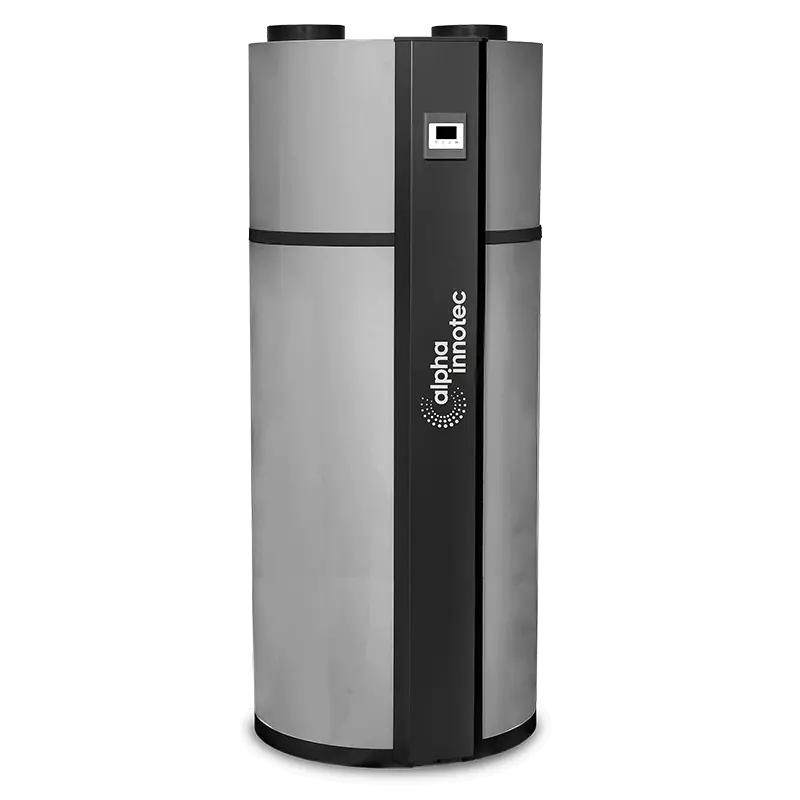
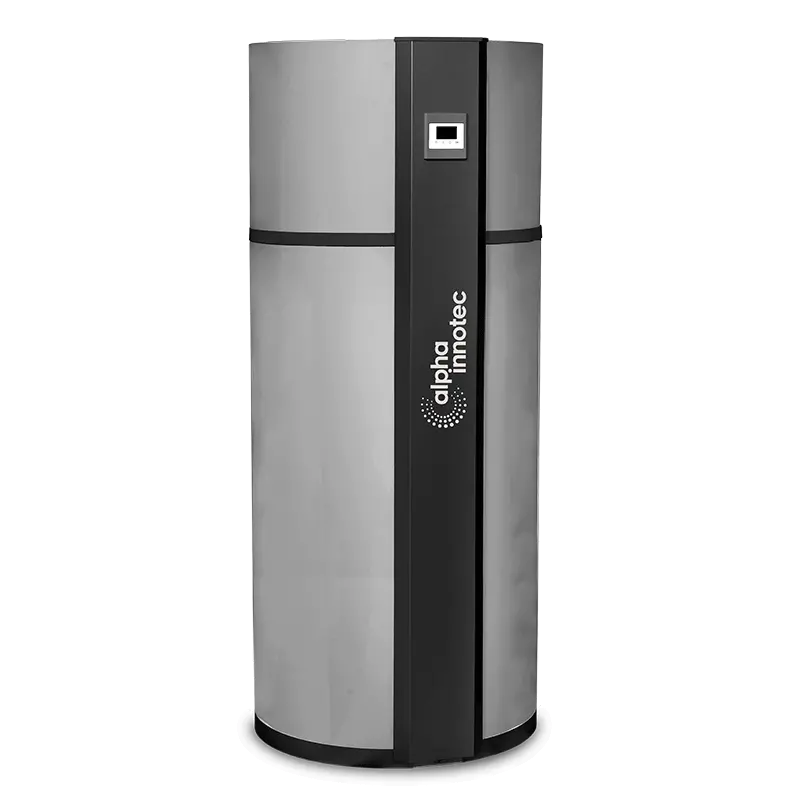
Indoor air/exhaust air | Independent hot water preparation, hygienic | Not suitable for space heating | Ideal as a supplement in combination with central heating |
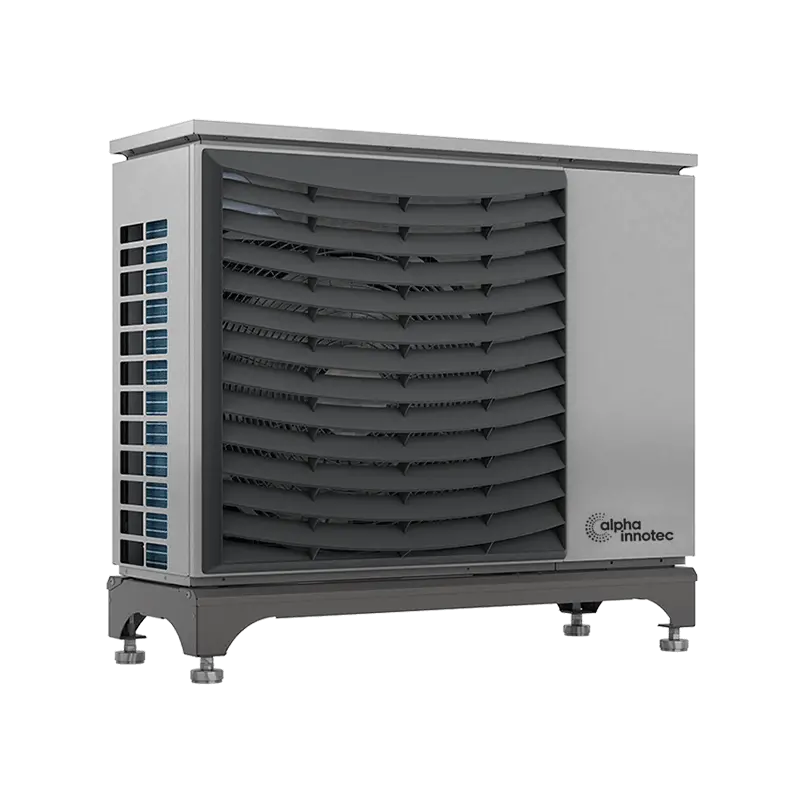
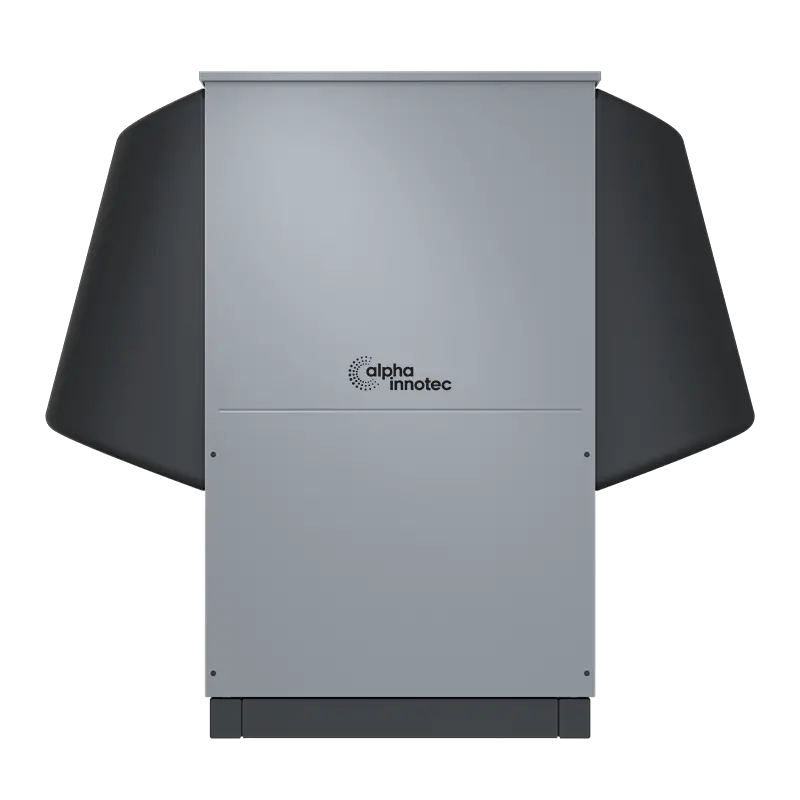
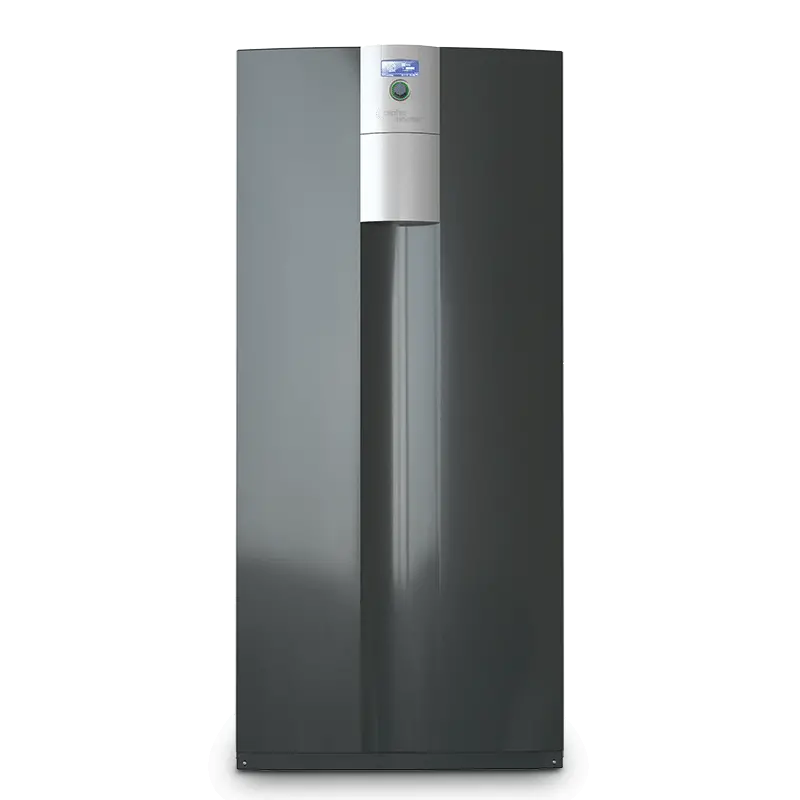
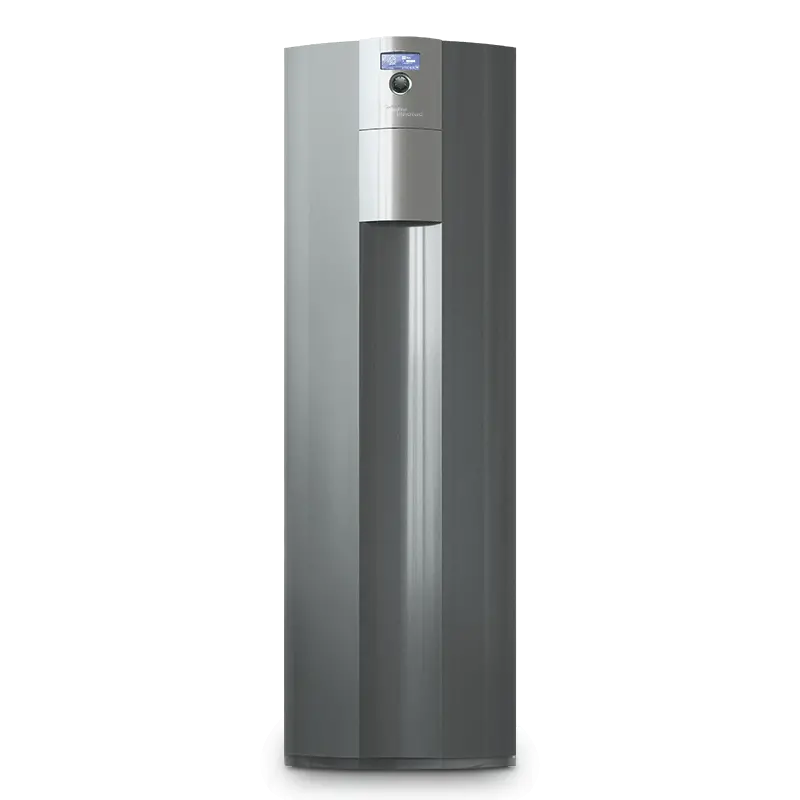
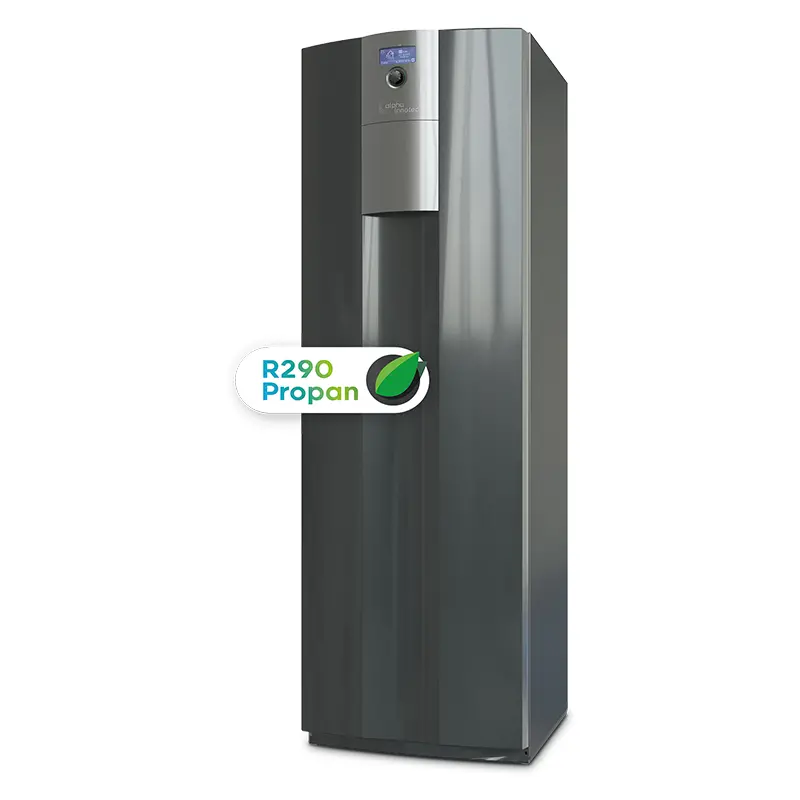
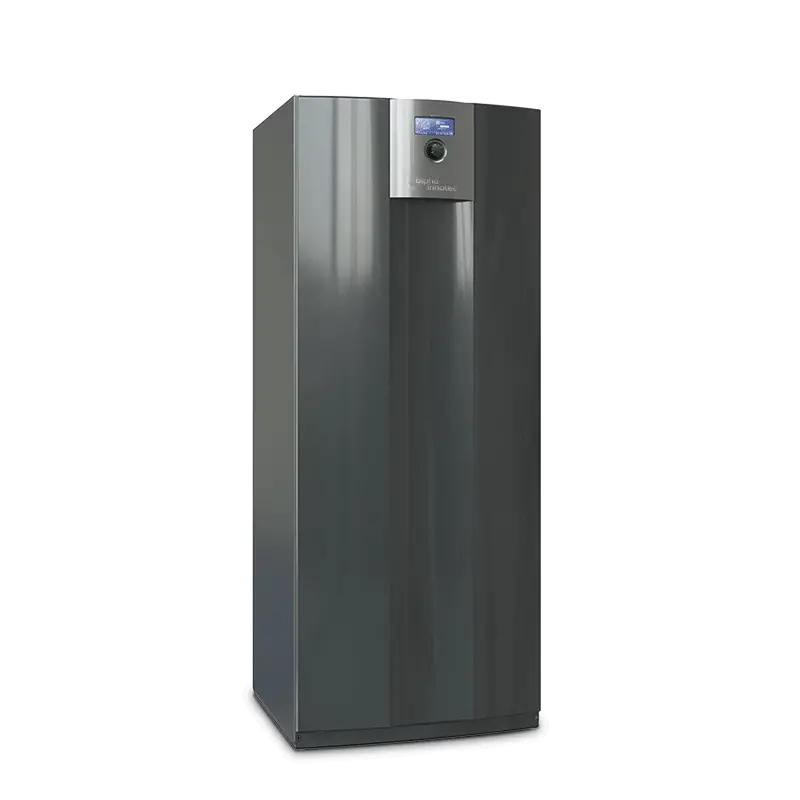
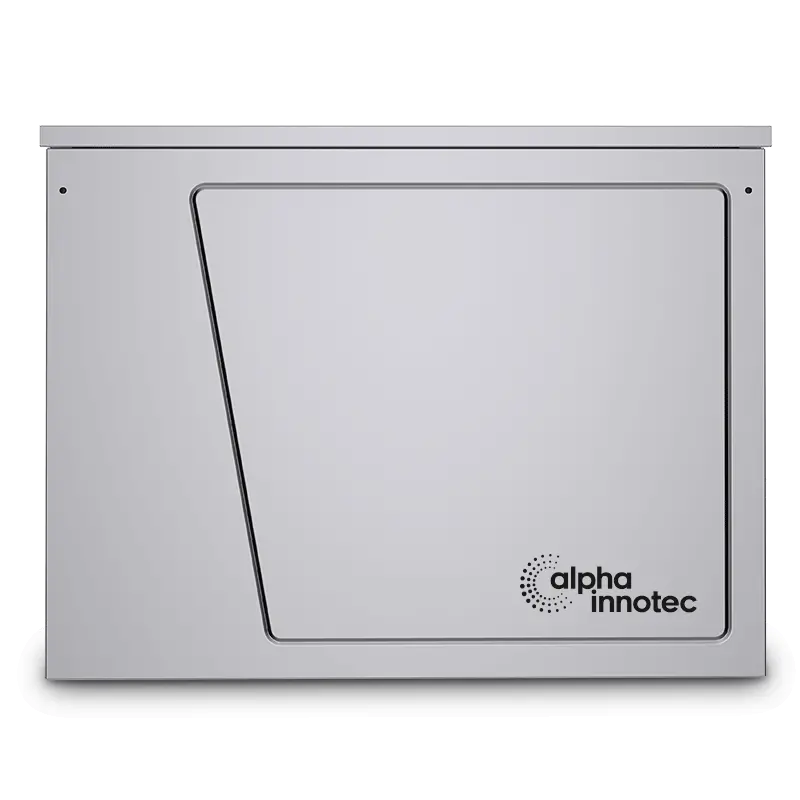
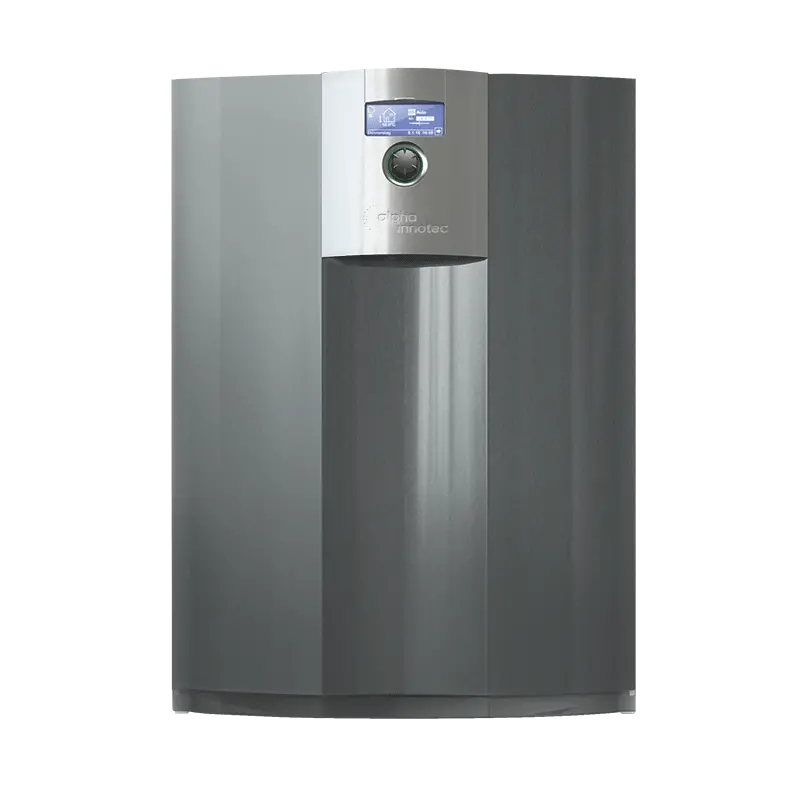
In principle, all common types of heat pumps are suitable for multi-family dwellings. Air source heat pumps are the most flexible option for multi-family dwellings, as they do not require drilling, can be operated in modular cascades and can also be installed in densely built-up areas (e.g. in the attic). Where there is plenty of land available, ground source heat pumps offer the highest long-term efficiency.





The requirements for a heat pump in a multi-family house
In order for the heat pump to operate efficiently, certain technical and organisational requirements must be met.
1. TECHNICAL REQUIREMENTS
- Heating system with the lowest possible flow temperature (< 55 °C)
- Good thermal insulation or renovation schedule
- Sufficient space for outdoor unit, storage tank and pipes
- Ideally, hydraulic balancing has already been carried out
2. PROPERTY & RESIDENTIAL PROPERTY OWNERS' ASSOCIATION
The installation of a heat pump in an apartment building is a structural alteration and usually requires a majority vote.
The costs are usually distributed according to co-ownership shares.
💡alpha innotec tip: The declaration of division should specify whether radiators, thermostats and supply lines are considered separate property – this makes it easier to plan the modernisation of individual flats.
3. NEIGHBOURHOOD & NOISE PROTECTION
When installing outdoors, statutory noise protection guidelines must be observed. Careful planning of the installation location and soundproofed devices help to avoid conflicts with neighbours.
What technical solutions are available to me in a multi-family house?
Multi-family homes are diverse. This increases complexity, but also opens up more technical possibilities than single-family homes. For example, multiple heat sources such as geothermal energy, waste water, waste heat or outside air, as well as heat pumps and heating systems, can be combined in a multi-family home.

Solution family 1 describes central heat pump systems for the entire building, solution family 2 describes the combination of centralised and decentralised solutions, solution family 3 describes the use of heat pumps for specific residential units, solution family 4 describes the installation of heat pumps in individual flats, and solution family 5 describes single-room heat pumps.
Challenges in multi-family house
The use of a heat pump in an apartment building offers many advantages, but also presents planners and owners with particular challenges. In addition to correct dimensioning, space, sound insulation, heating circuit connection and coordination within the owners' association play a major role.
1. TECHNICAL INTEGRATION INTO EXISTING SYSTEMS
In order for the heat pump to work efficiently, heating surfaces and hydraulics must be coordinated. Often, replacing individual radiators or performing a hydraulic balance is sufficient to lower the heating curve and significantly increase efficiency.
For gradual renovation, a bivalent heating system that combines a heat pump with an existing gas or oil boiler is recommended. This ensures that heating requirements can be reliably met at all times.
2. SPACE PROBLEM AND INSTALLATION LOCATION
An important consideration for multi-family dwellings is the available space – both for the outdoor unit and for the buffer storage tank and pipes.
Outdoors:
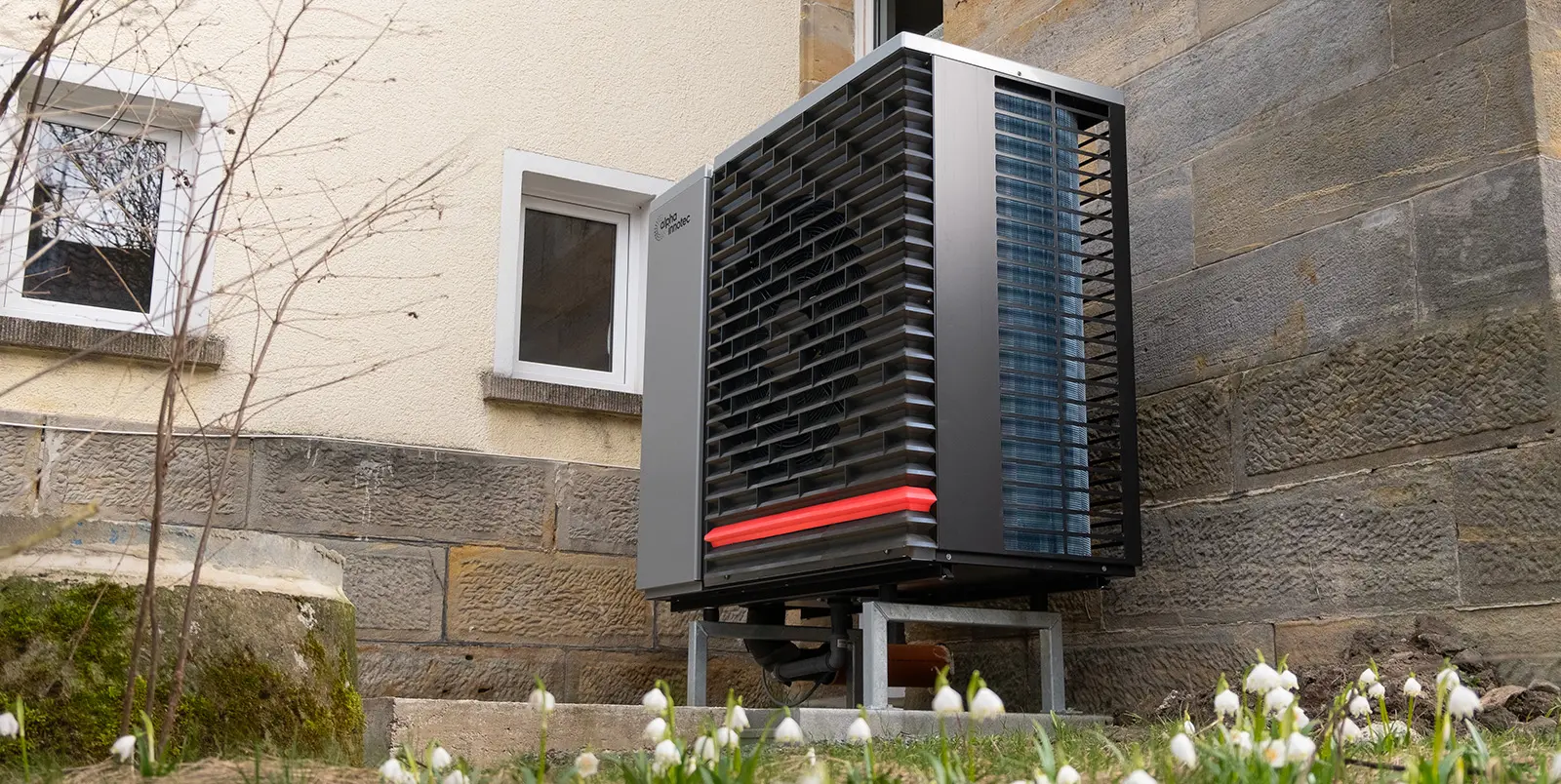
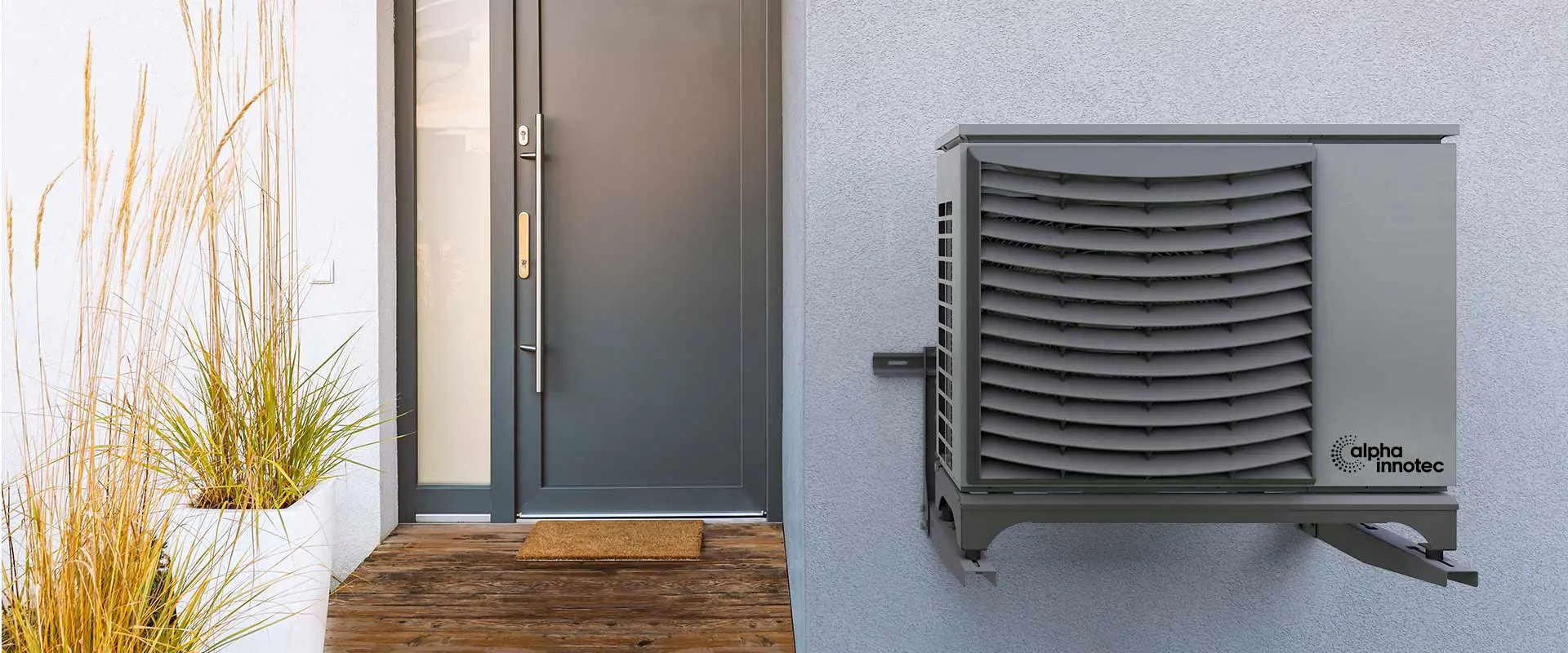
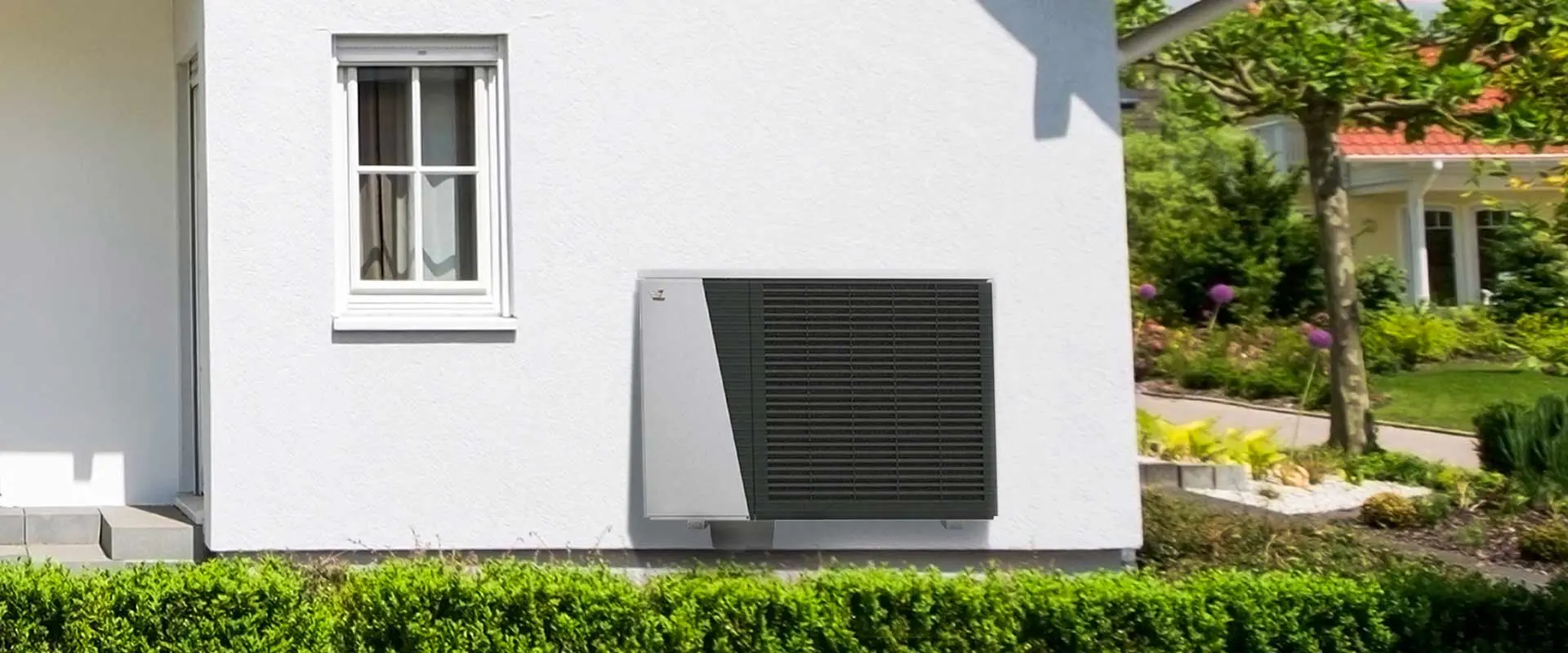
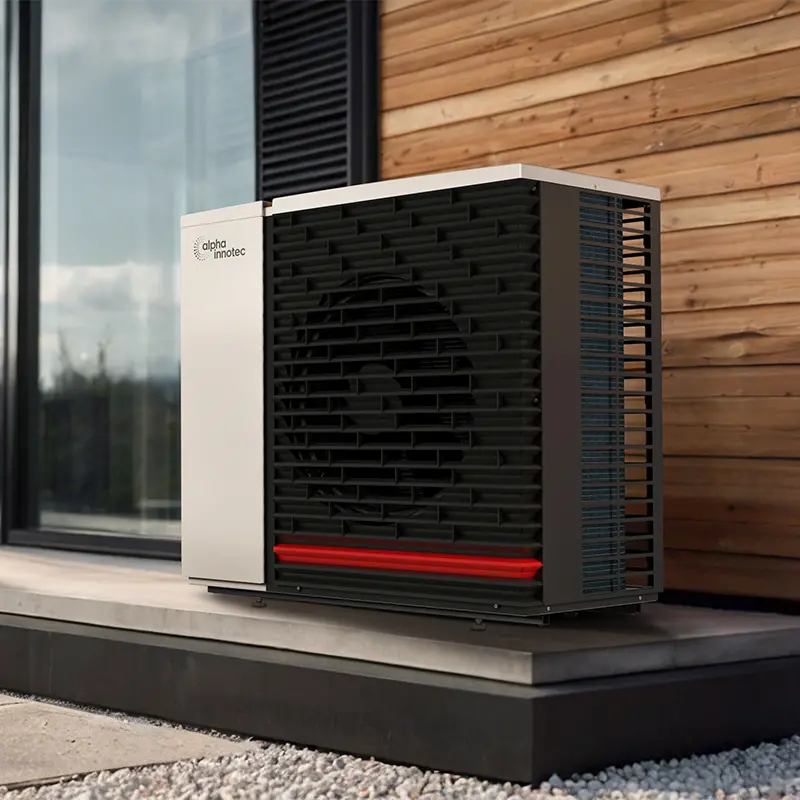
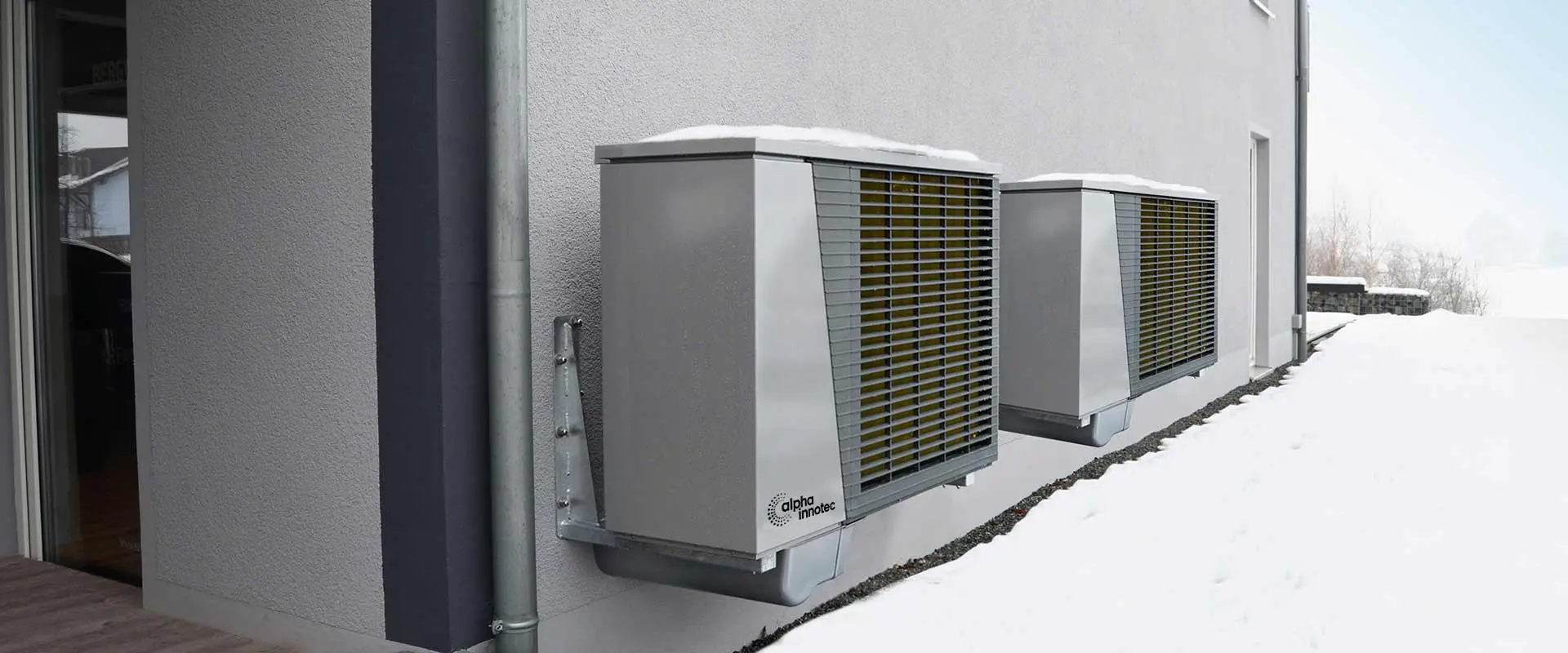
If there is sufficient space on the property, the air/water heat pump can be installed there. It is important to ensure adequate sound insulation and visually appealing integration into the surroundings.
💡alpha innotec tip: We have compiled everything you need to know about the noise level of heat pumps in a separate article. Allow us to take this opportunity to promote our own product: our Hybrox air/water heat pump has a noise level of 45 dB(A) measured directly at the sound source, which officially classifies it as quiet.
Installation on the roof:
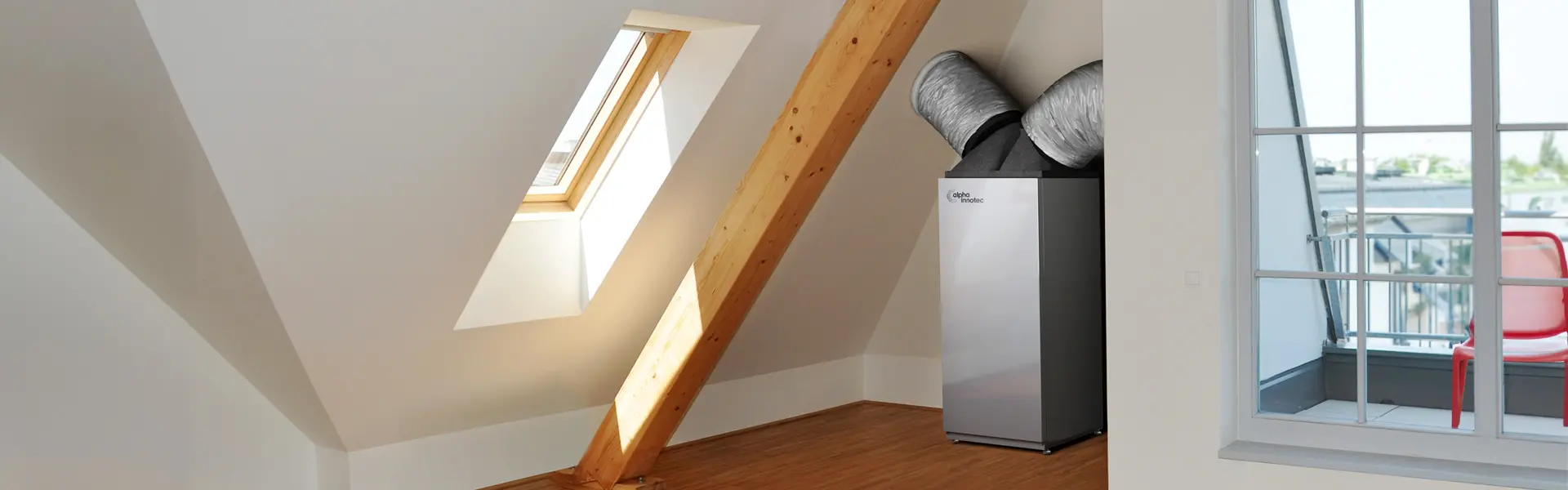
If the building is structurally sound, the heat pump can be installed in the roof. This location usually offers optimal air flow conditions and frees up valuable floor space. However, installation is more technically complex and requires careful vibration decoupling.
Installation in the cellar:
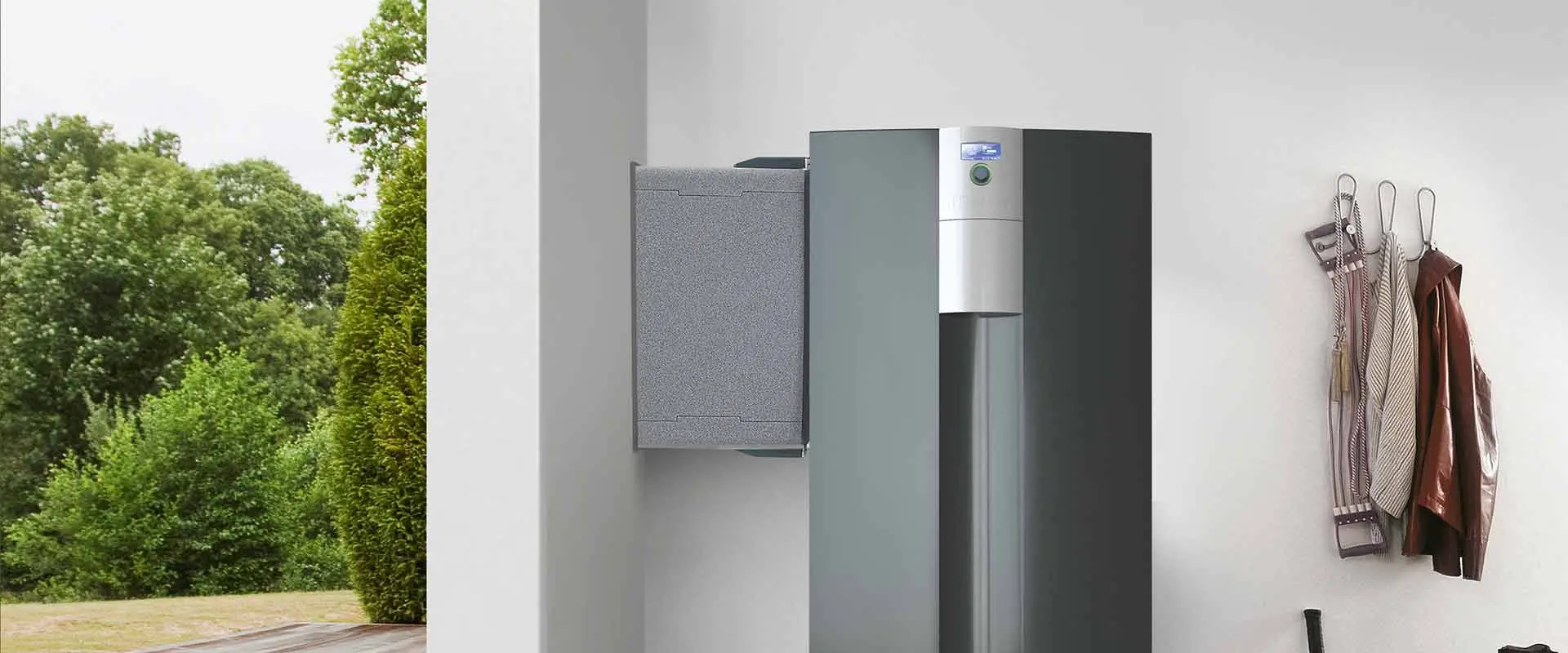
In many cases, the basement is also a suitable location, especially for split units or brine/water heat pumps. It is important that the air ducting or refrigerant line can be installed without major modifications.
3. NEIGHBOURHOOD CONFLICTS
Heat pumps are significantly quieter than they used to be, but noise levels are still an important consideration, especially in densely built-up residential areas. Outdoor units should be positioned so that the sound does not radiate towards bedrooms or neighbouring properties.
Soundproofing hoods, low-reflection walls or vibration-isolated bases can further reduce the noise level.

Performance and efficiency of heat pumps in multi-family houses
The power requirement is determined by the heating load of the building.
A correctly dimensioned heat pump runs smoothly and cycles less frequently, which reduces wear and tear and electricity consumption.
Technical solutions for performance adjustment:
- Inverter heat pump: continuously adjusts its output
- Cascade connection: multiple devices work together flexibly
- Multi-stage heat pumps: achieve higher flow temperatures when there is a high heat demand
How much does a heat pump cost in a multi-family house?
The costs depend on size, system and effort.
The following table provides a rough guide:
Costs | Centralised system | Decentralised system |
Heat pump technology | 25.000 – 80.000 € | 8.000 – 15.000 € per flat |
Installation & hydraulics | 10.000 – 25.000 € | 2.000 – 5.000 € per flat |
Storage/distribution | 5.000 – 15.000 € | Not applicable or small storage tank |
Heating system adaptation | 3.000 – 10.000 € | 1.000 – 3.000 € |
Total costs | 40.000 – 120.000 € | 10.000 – 20.000 € per flat |
FACTORS AFFECTING COSTS
- Building standard and heating load
- Type of heat pump (air, brine, water)
- Number of residential units
- Cost of heating distribution and storage
- Subsidy amount and bonus programmes
SAMPLE CALCULATION
A 6-unit building with a central air-to-water heat pump (including buffer storage and control system):
Total cost approx. 70,000 €.
→ Effective investment: 70,000 € (= approx. 11,700 € per flat).
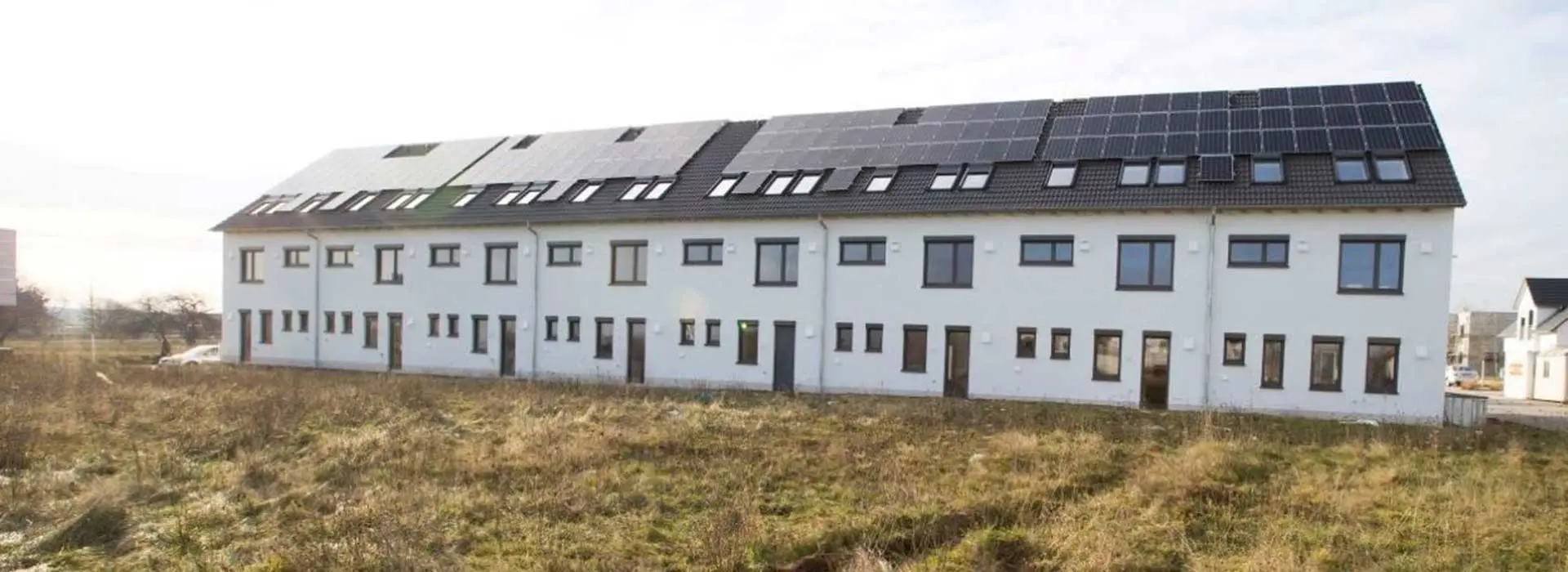
Experience reports: Heat pumps in apartment buildings
Conclusion
Heat pumps are currently one of the most efficient and climate-friendly heating solutions for multi-family homes.
With careful planning, a tailored heating system and the right type of heat pump, you can achieve high efficiency ratings, low operating costs and long-term value appreciation.








.webp)



.webp)



_Referenz%20Neustadt%20am%20R%C3%BCbenberge.webp)