Heat pump myths: Correcting the most common misconceptions about climate-friendly heating technology
Heat pumps are noisy, consume a lot of electricity, and only work in new buildings? These are common misconceptions about heat pumps. But is there any truth to these myths? In this article, we clarify and correct six false assumptions.
- Myth: Heat pumps do not work in winter or at sub-zero temperatures.
- Myth: Heat pumps consume (too) much electricity.
- Myth: Heat pumps are bad for the environment in winter.
- Myth: Heat pumps are only suitable for new buildings and cannot be used in old buildings.
- Myth: Heat pumps only work with underfloor heating.
- Myth: Heat pumps are too expensive, prone to faults, and not cost-effective.
A heating system that doesn't generate heat when it's cold? That would be extremely counterintuitive. However, this misconception actually sounds logical at first, because heat pumps use environmental heat from the air, ground, or groundwater to generate heat. It is raised to a higher temperature level with the help of a refrigerant cycle. You can read more about the technology behind sustainable heating systems in our article: How does a heat pump work?
But when it's cold outside, how can a sustainable heating system extract heat from the environment?
Physically speaking, any temperature above absolute zero (-273.15 °C) still has thermal energy. Even when the outside air or ground is below freezing, there is still usable energy that the refrigerant in the evaporator can absorb.
This is why a heat pump can still extract heat even when the environment feels “cold” to us.
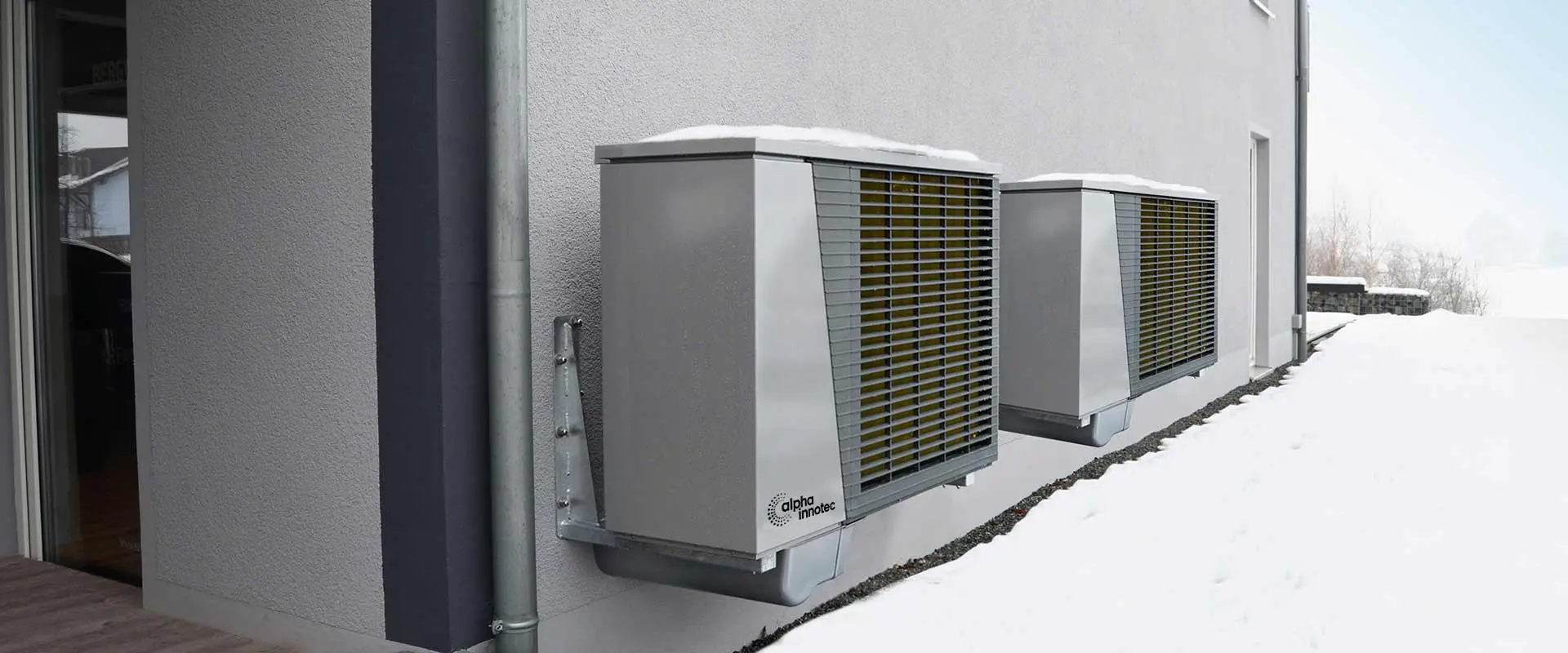
Thanks to advanced technology, modern heat pumps can still operate efficiently even at sub-zero temperatures. This is made possible by:
- improved refrigerants
- intelligent controls, and
- additional heating elements.
A look at Scandinavia shows how reliably heat pumps heat even in frosty conditions: in countries such as Sweden and Norway, where double-digit sub-zero temperatures are not uncommon in winter, heat pumps have been standard for decades.
The key factors are correct dimensioning and planning, professional installation, and, where necessary, combination with other heating systems.
Heat pumps need electricity, that's true. However, it is a mistake to think that this is fundamentally a bad thing. The important factor here is the energy balance, i.e. the ratio of energy used to heat generated. This is expressed in terms of the COP value (coefficient of performance). Heat pumps clearly score highly in terms of efficiency here.
The values vary, but on average the COP is between 3 and 5. This depends on the building standard and the type of heat pump. This means that the heat pump generates three to five times more heat energy than it consumes in electricity. One kilowatt hour of electricity thus produces up to five kilowatt hours of heat.
Even in winter, when the COP drops due to low temperatures, it is still between 2.5 and 3.5. This makes it more efficient than heating systems that run on fossil fuels.
Combining the first two myths leads to this misconception: in winter, heat pumps require more electricity and therefore have a greater impact on the environment. However, even at sub-zero temperatures, their efficiency remains high. And even with higher electricity requirements, the carbon footprint of heat pumps is lower than that of oil or gas heating systems.
In addition, the environmental balance sheet is improving year on year thanks to the growing share of renewable energies in the electricity mix.
The energy balance is even better when the heat pump is operated in combination with a photovoltaic system. This reduces energy costs and CO₂ emissions even further.
This makes it one of the most sustainable heating technologies available, both in the depths of winter and throughout the year.
Heat pumps are often the most sensible heating solution in new buildings because modern buildings are designed to be very energy-efficient from the outset and can manage with low heating temperatures.
However, this does not mean that this environmentally conscious heating solution cannot be used in existing buildings. It just cannot necessarily be used IMMEDIATELY.
It is often sufficient to make certain adjustments, such as
- replacing the heating system
- partial insulation
- hydraulic balancing
Subsidy programs facilitate precisely such measures. This supports the switch to a future-proof heat source, so that heat pumps can also be used in older buildings.
In practice, even listed old buildings can be heated with heat pumps in combination with photovoltaics or buffer storage tanks, for example. High-temperature heat pumps are also a sensible option for climate-friendly heating in old buildings.
SUCCESSFUL RETROFIT: HEAT PUMPS IN PRACTICE

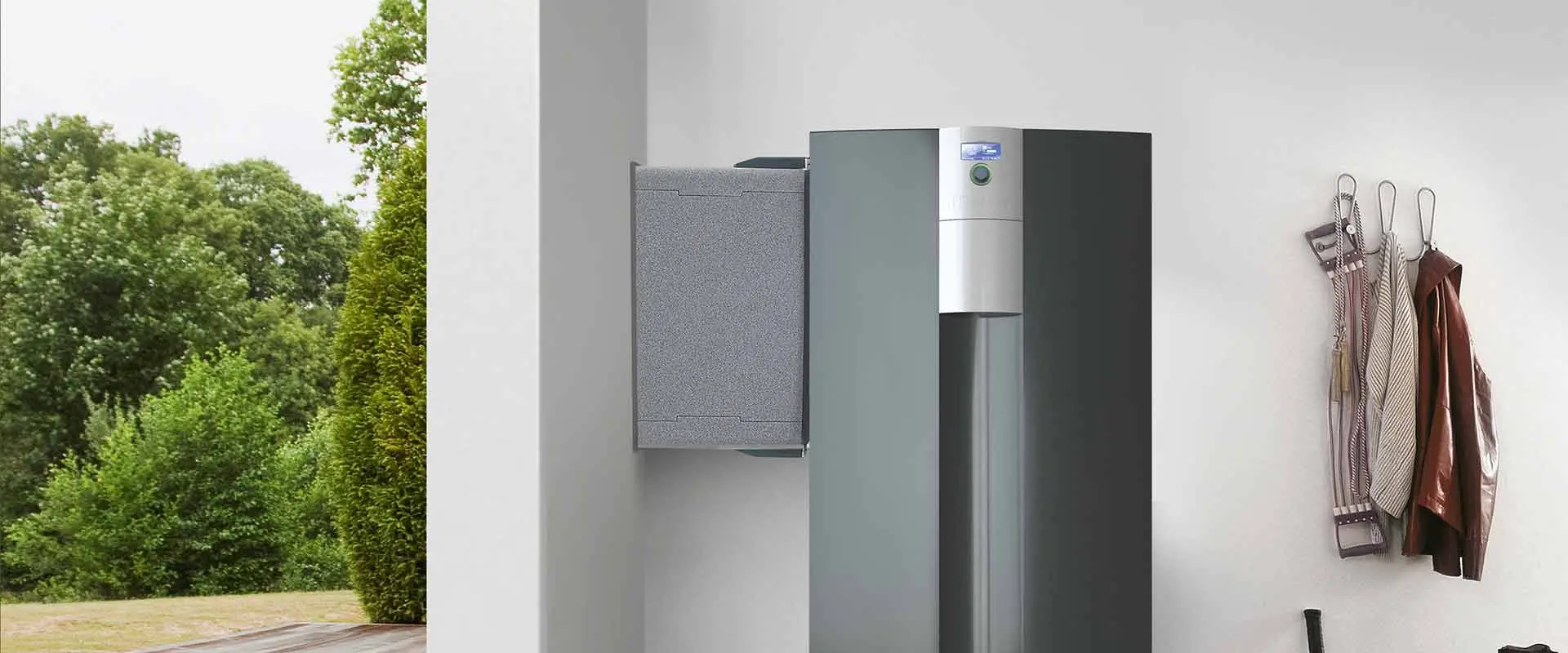
Heating system replacement in a farmhouse
“Everything works very well. The heat pump easily heats all the radiators and keeps the hot water at the right temperature. That wasn't the case before.”

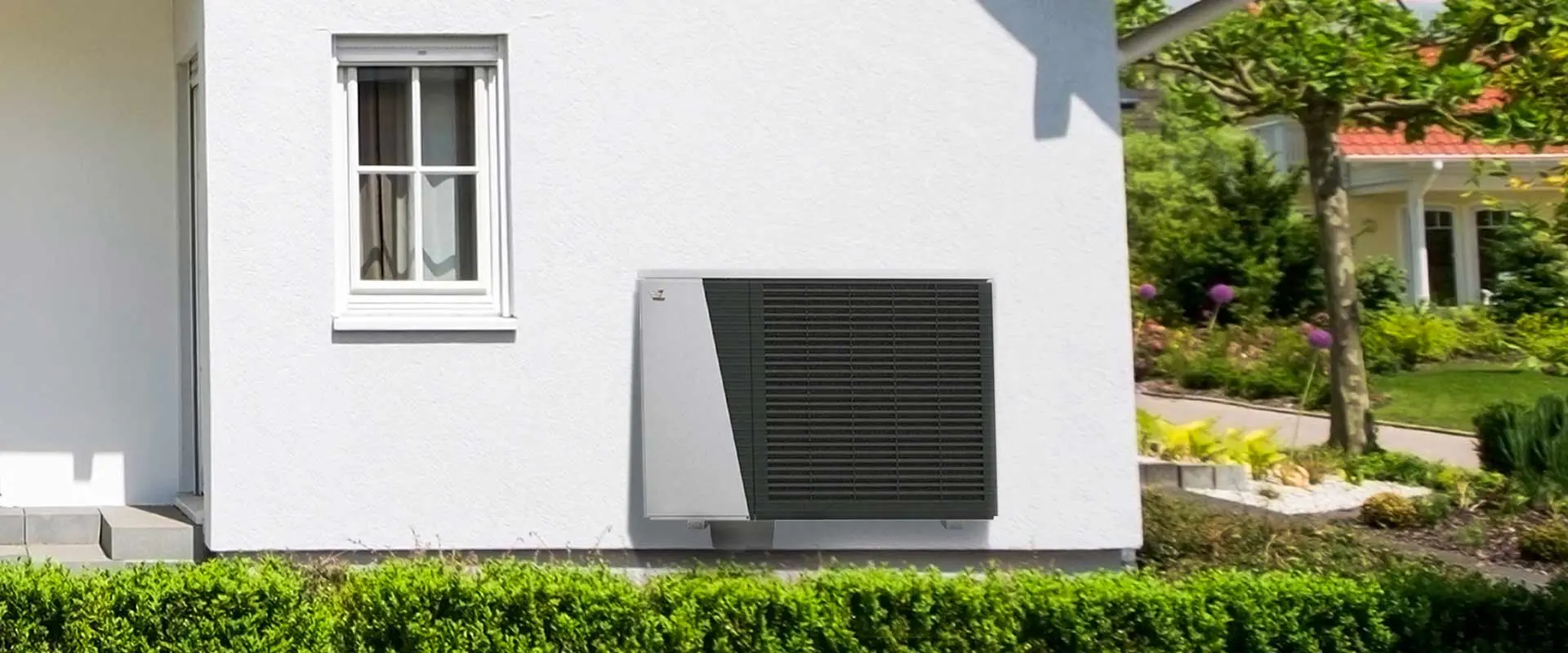
Little space in the townhouse
“I never would have imagined what my reduced energy consumption would mean for the environment and also for my wallet. And that's with radiators—great.”
This is another common misconception: you need underfloor heating for a heat pump. The truth is that although underfloor heating is ideal for heat pumps because it operates at low flow temperatures, heat pumps can also be used with traditional radiators. The only important thing is that the heating surfaces are large enough to generate sufficient heat at low flow temperatures. Often, it is sufficient to replace the existing heaters with larger models.
Special low-temperature radiators offer a practical and efficient solution here. They have been specially developed for heat pumps and emit sufficient heat despite low flow temperatures.
This makes heat pumps much more flexible to use than many people believe.
It is unfortunately a widespread misconception that heat pumps are expensive. It is true that the initial cost of a heat pump is often higher than that of a gas or oil heating system. However, it is wrong to assume that this means they are never worthwhile, as they are significantly cheaper to run.
Let's start with the purchase price: heat pumps offer significantly lower operating costs, as they draw up to 75% of the energy they need from the air, ground, or water free of charge.
Studies show that a heat pump pays for itself after just 8 to 12 years. The variance can be explained by differences in building condition and energy prices. Assuming a service life of 20 to 25 years, this means many years of inexpensive heating after the investment has been recouped.
Another misconception is that heat pumps are more prone to faults than fossil fuel heating systems. The opposite is true: since there is no combustion, there are fewer parts that can wear out. This keeps maintenance costs low.
Overall, heat pumps are not only an environmentally friendly choice, but also an economically wise one.

Conclusion: Why heat pump myths don't stand up to fact checking
Heat pumps are an extremely climate-friendly and future-proof heating method and one of the key technologies for the heating transition. So why are there so many misconceptions, myths, and lies about them? Most are simply misunderstandings based on half-truths.
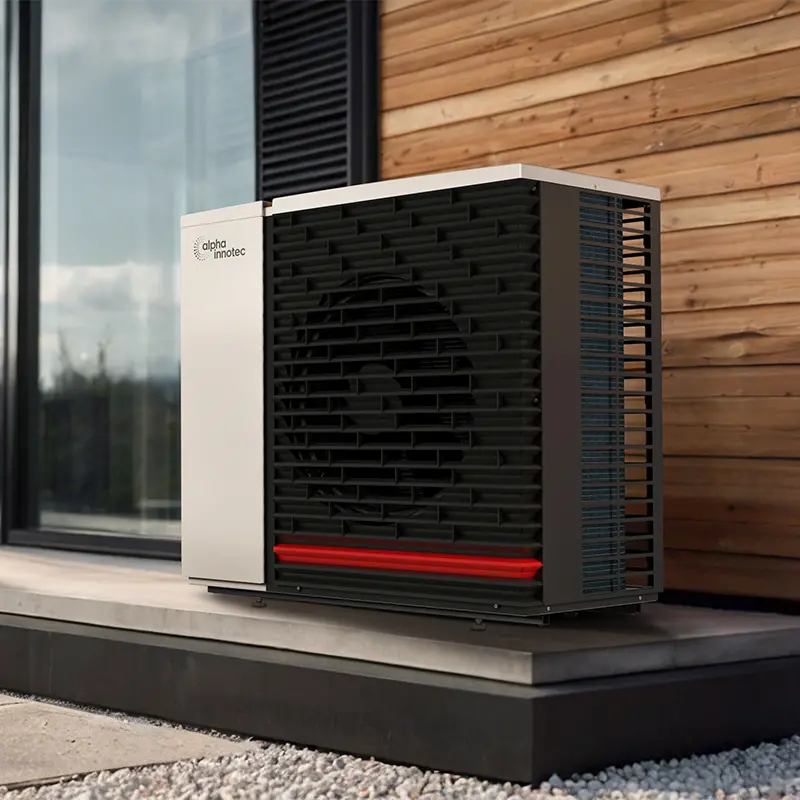
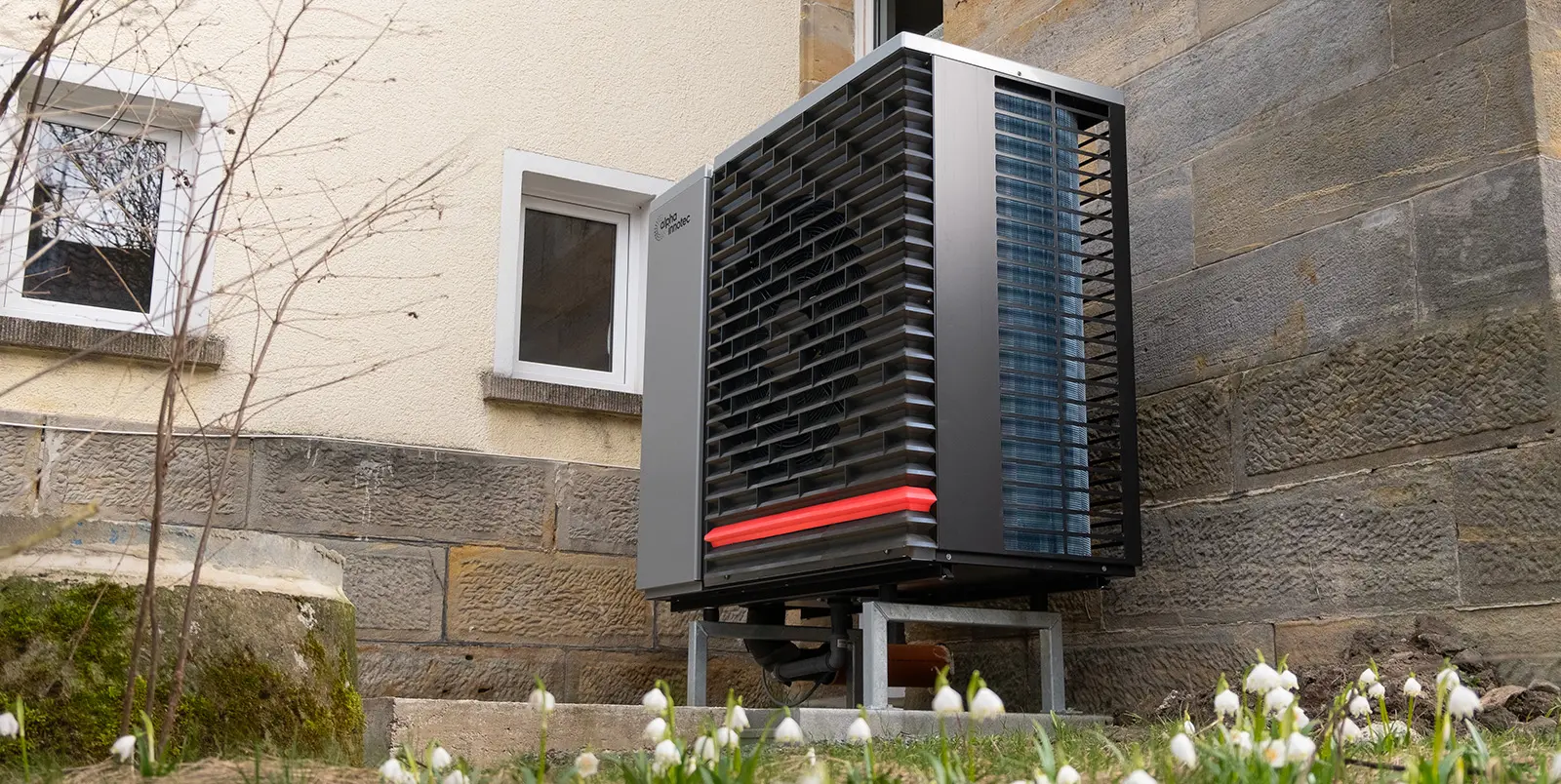
Others, on the other hand, are based on outdated information. Older models were indeed louder and less efficient. However, technology has advanced rapidly: modern devices, such as the Hybrox air source heat pump, are powerful and quiet. This makes them suitable for a wide variety of building types.
Our article clearly shows that the most common myths and misconceptions about heat pumps do not stand up to objective scrutiny. This future-proof heat source is versatile, efficient, and sustainable. Those who do not allow themselves to be misled by false claims, but instead rely on facts, will benefit in the long term from a climate-friendly and cost-effective heating solution.

.webp)


_Referenz%20Neustadt%20am%20R%C3%BCbenberge.webp)










.webp)