Heat pumps in terraced houses: is it possible?
To answer the question directly: yes, a heat pump also makes sense in a terraced house. Nevertheless, there are some challenges that are characteristic of this type of house: space is limited, the neighbors are right next door, and every technical installation must be carefully planned.
Under the right conditions and with good planning, however, a heat pump is still a viable solution for terraced houses. This has been demonstrated by recent field studies conducted by the Fraunhofer Institute for Solar Energy Systems (ISE) and the many years of experience gained by energy experts.
The most important facts in 10 seconds
- Yes, terraced houses are suitable for heat pumps – especially air-to-water heat pumps.
- Space requirements are minimal: air source heat pumps require significantly less space than ground source or groundwater systems.
- Sound insulation is key: applicable local noise limits must be observed and sufficient distance from neighboring properties must be taken into account.
- Old buildings work: Even older terraced houses can operate efficiently with modern heat pumps – the year of construction is not a knockout criterion.
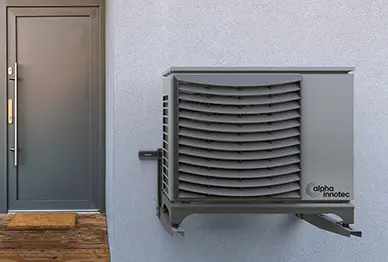
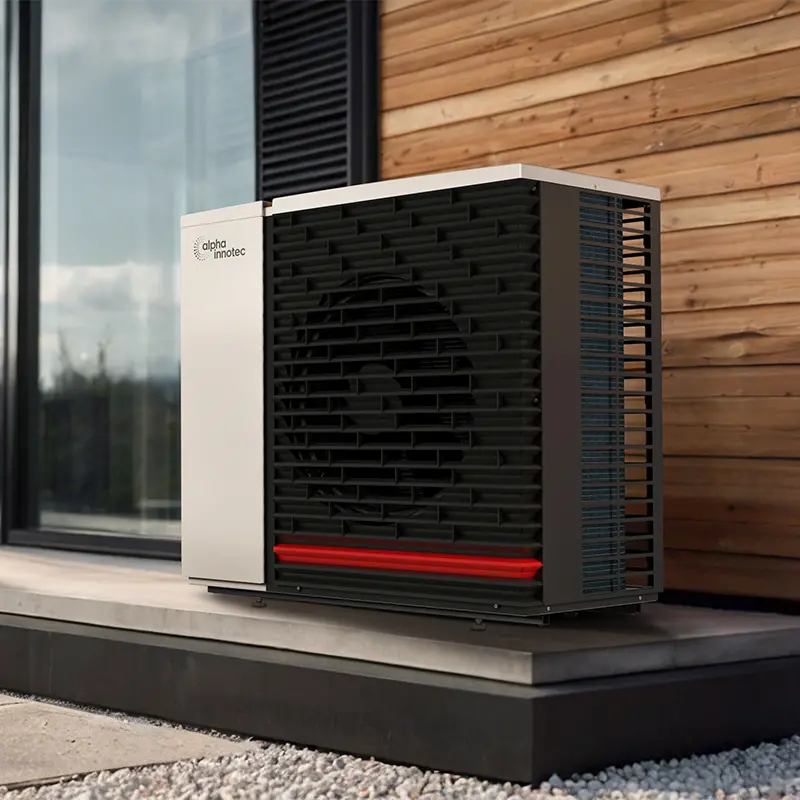
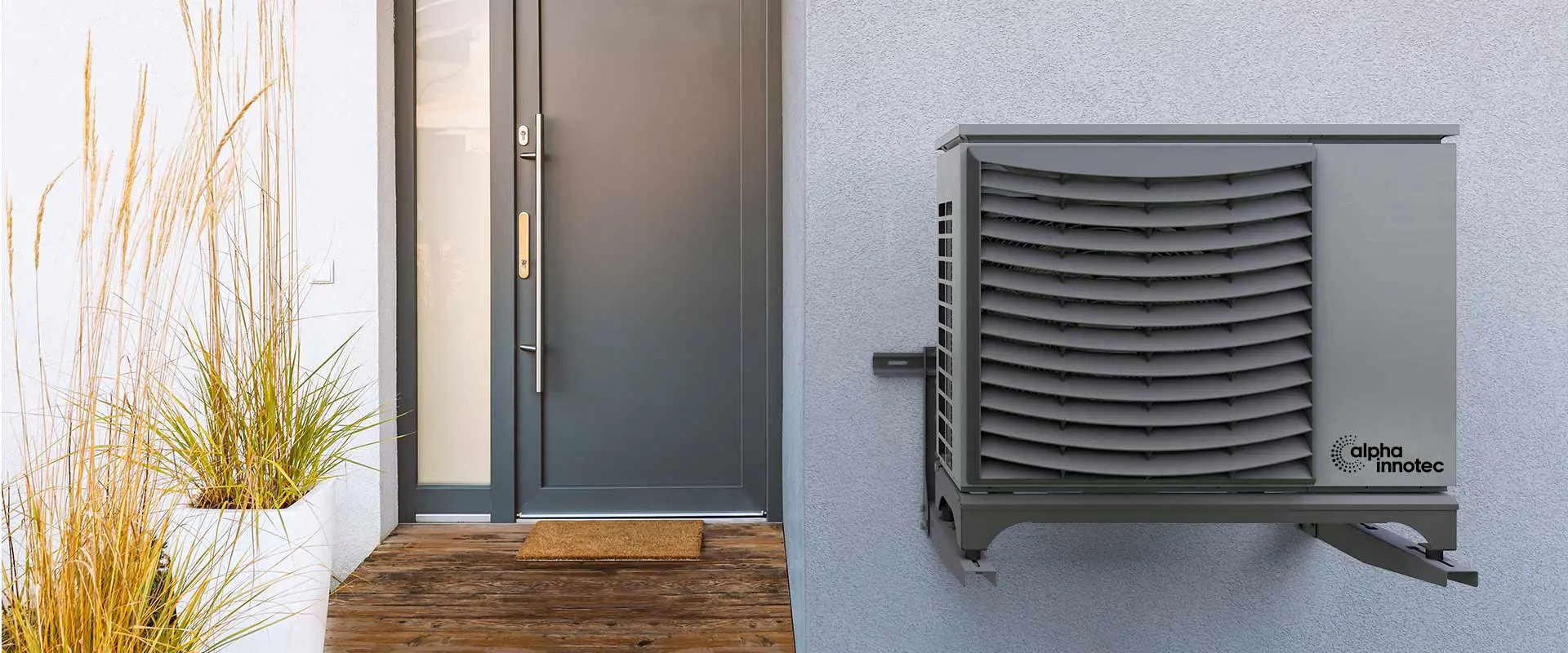
- Typical installation locations: Front yard, garden side, or – in critical cases – indoor installation in the basement.
Heat pumps in terraced houses – special features
Terraced houses differ from detached houses and apartment buildings in their characteristic construction: shared walls, limited land area, and immediate proximity to neighbors. This has both advantages and disadvantages for heat pump technology.
Advantages in terraced houses:
- Significantly smaller exterior wall areas than in detached houses lead to less heat loss.
- According to Fraunhofer ISE, the average heating load of a terraced house is between 5 and 8 kW – about 30% lower than in single-family homes.
- This optimal size is easily covered by modern air-to-water heat pumps.
Special features to consider:
- Lack of space limits the choice of heat pump type.
- Sound propagation between houses that are close together is a sensitive issue.
- Neighborhood regulations on distances and noise protection must be observed.
The requirements for a heat pump in a terraced house
In order for a heat pump to be installed in a terraced house in a way that is effective, practical, and, above all, does not cause problems with the neighbors, a number of requirements must be met:
1. CLARIFY SPACE REQUIREMENTS
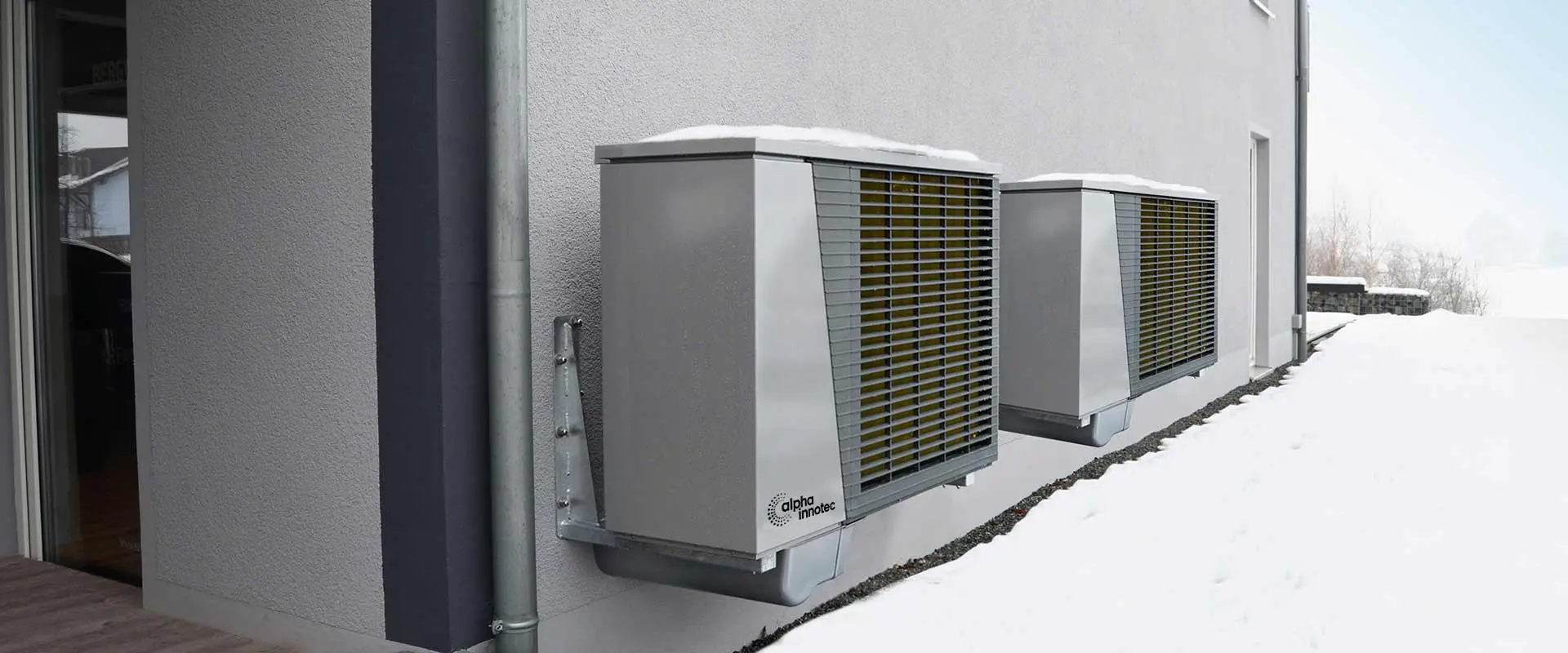
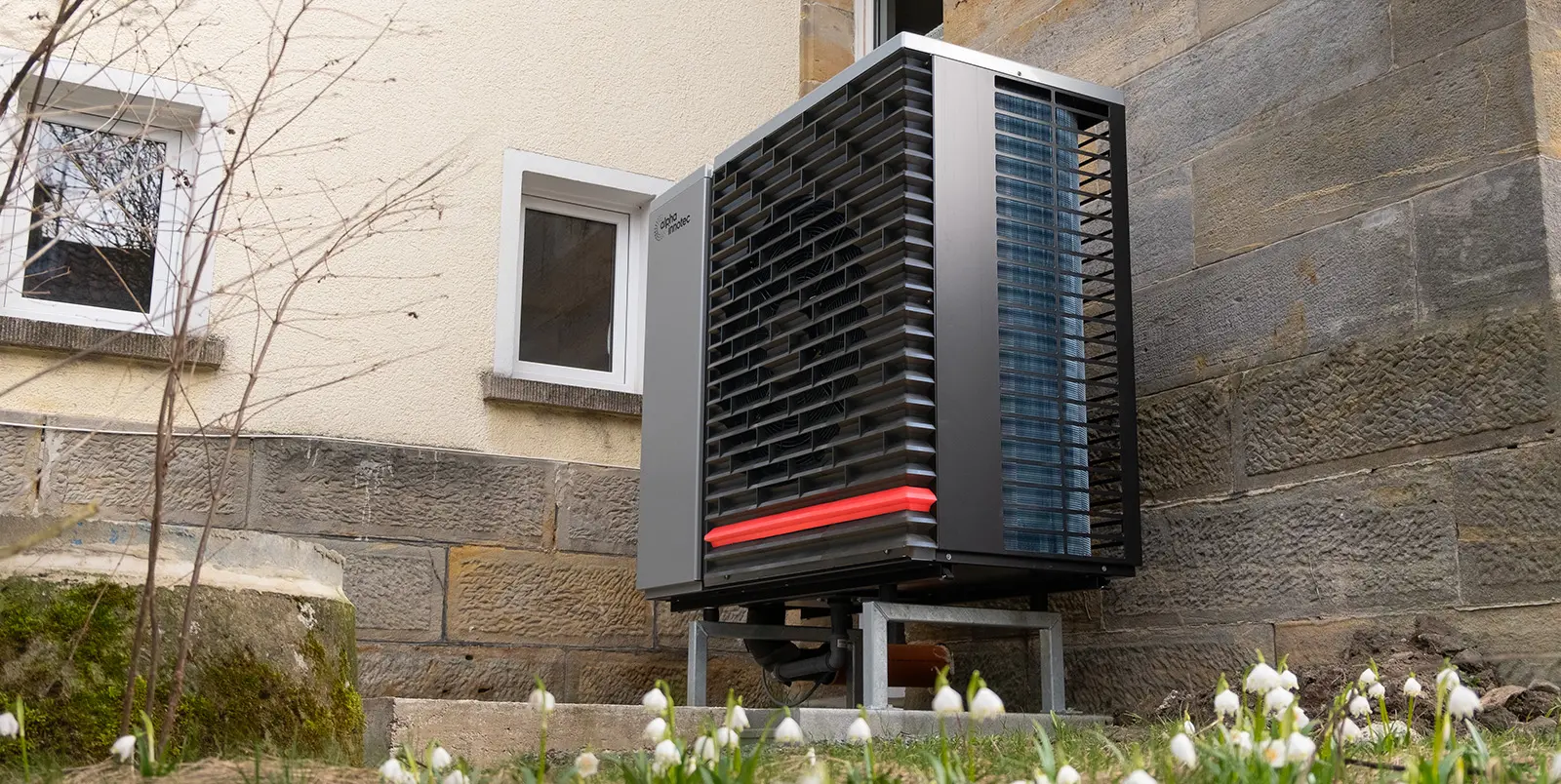
Air source heat pumps require surprisingly little space. The outdoor unit requires a level surface measuring approximately 2x2 meters. Geothermal and groundwater heat pumps, on the other hand, have completely different requirements: These require large-area ground collectors or complex well drilling, which is often a deal-breaker in cramped terraced house layouts.
2. CHECK THE HEATING SYSTEM
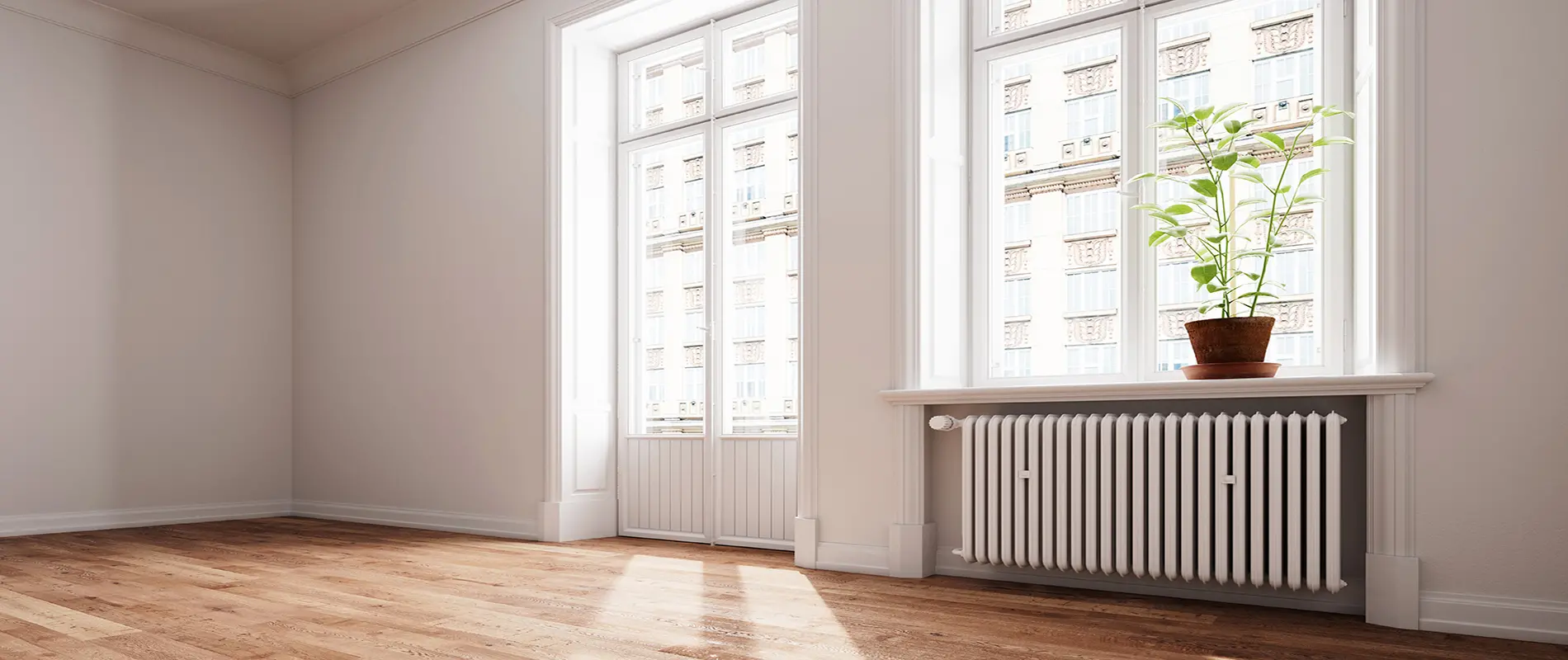
An often underestimated point: Are the existing radiators suitable? Modern heat pumps in particular work more efficiently with low flow temperatures. For terraced houses, the following therefore applies:
- Optimal scenario: Flow temperature 30–35 °C (for underfloor heating or low temperatures)
- Realistic expectation for older buildings: 50–55 °C is often sufficient
- Perform a test: On frosty days, lower the flow temperature to a maximum of 55 °C – do all rooms get warm? Then your house is suitable
Hydraulic balancing of the heating system is mandatory during installation and significantly improves efficiency. This is particularly important if you want to operate your heat pump with radiators.
3. PERMITS
Different building regulations may apply depending on the region and municipality. It is best to check with the relevant local building authority or municipality to find out whether your planned heat pump requires a permit. You are also welcome to book our free consultation for an initial assessment.
Heat pump types for terraced houses
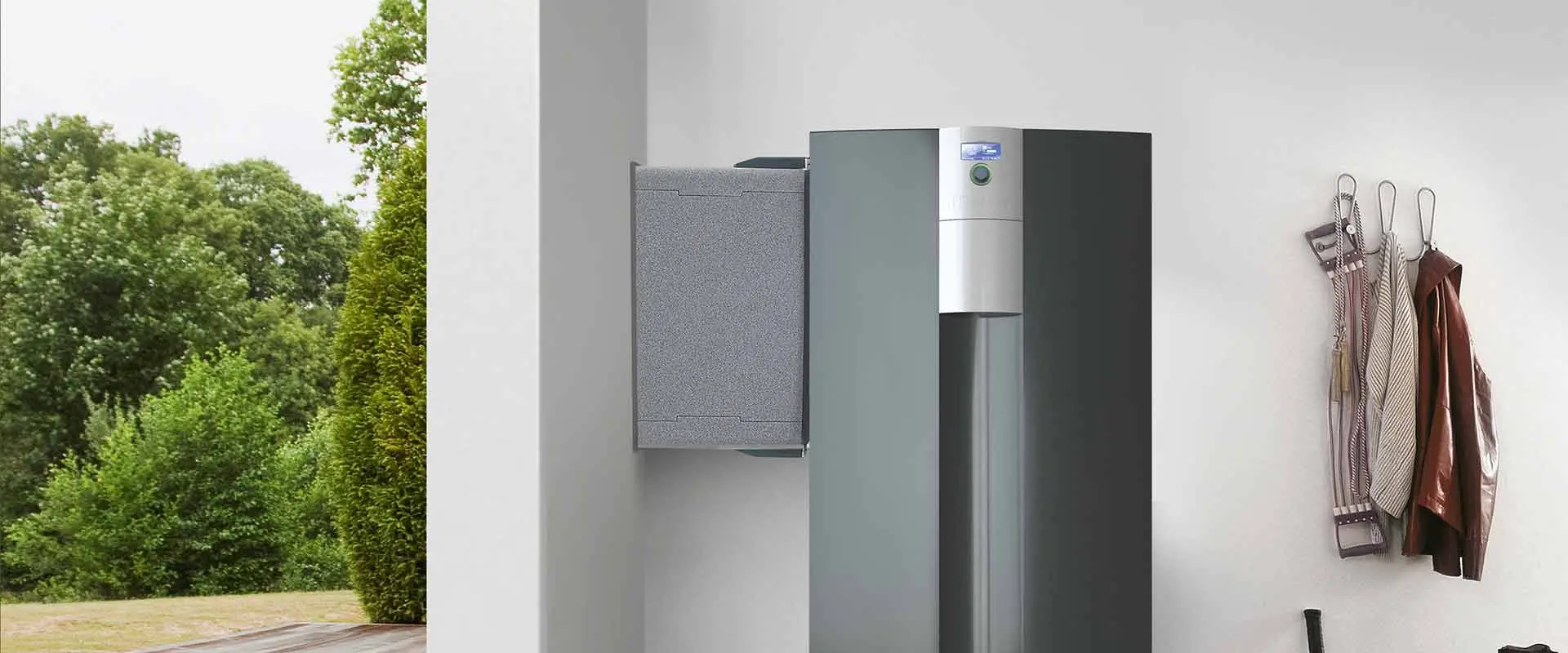
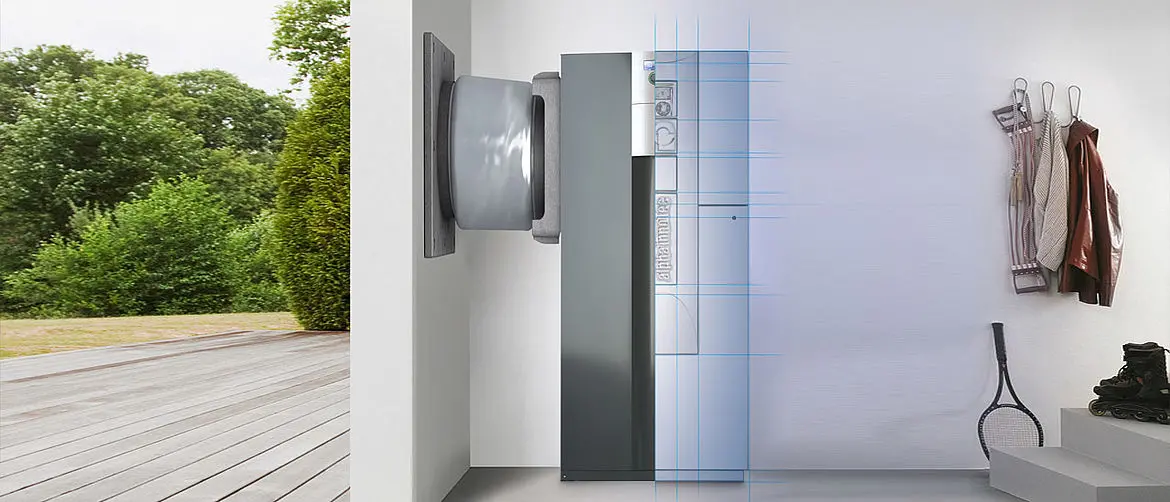
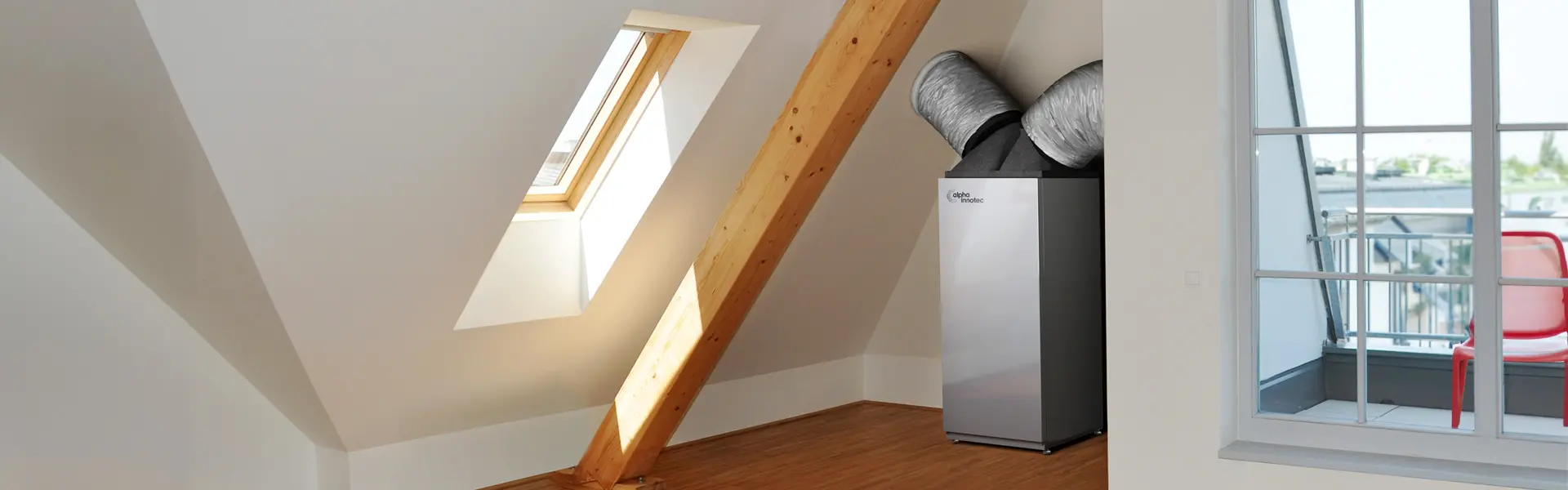
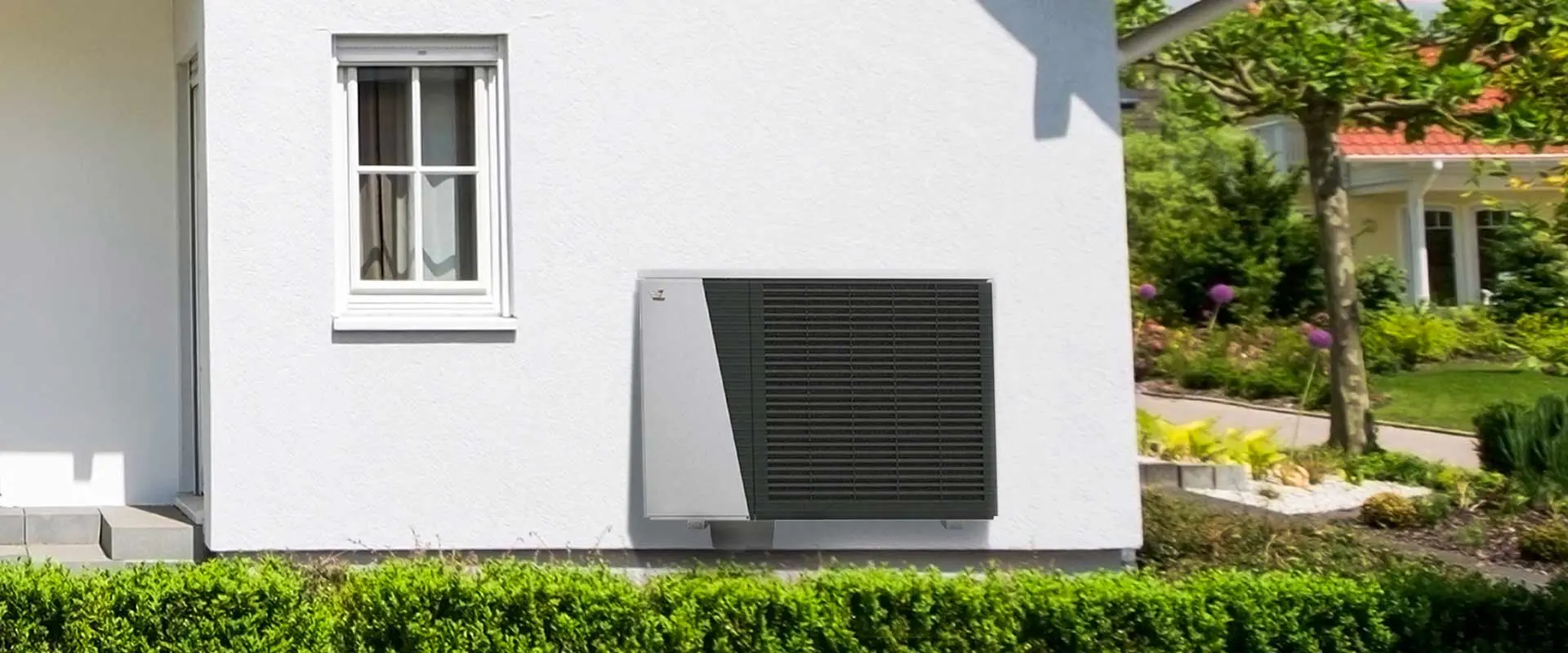
In most cases, air-to-water heat pumps are standard for terraced houses. They extract heat from the outside air and do not require any complex drilling work. A major advantage is that they can also be installed in a basement, boiler room, or attic if necessary.
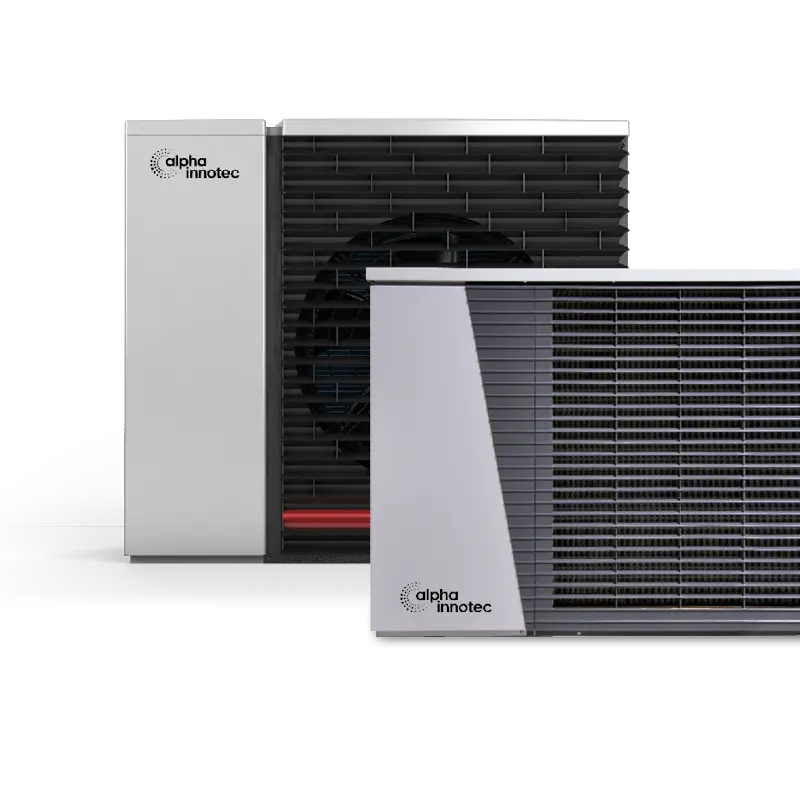
Hybrox Series
• Inverter heat pump
• Refrigerant R290
• Building heating load: 5-16 kW
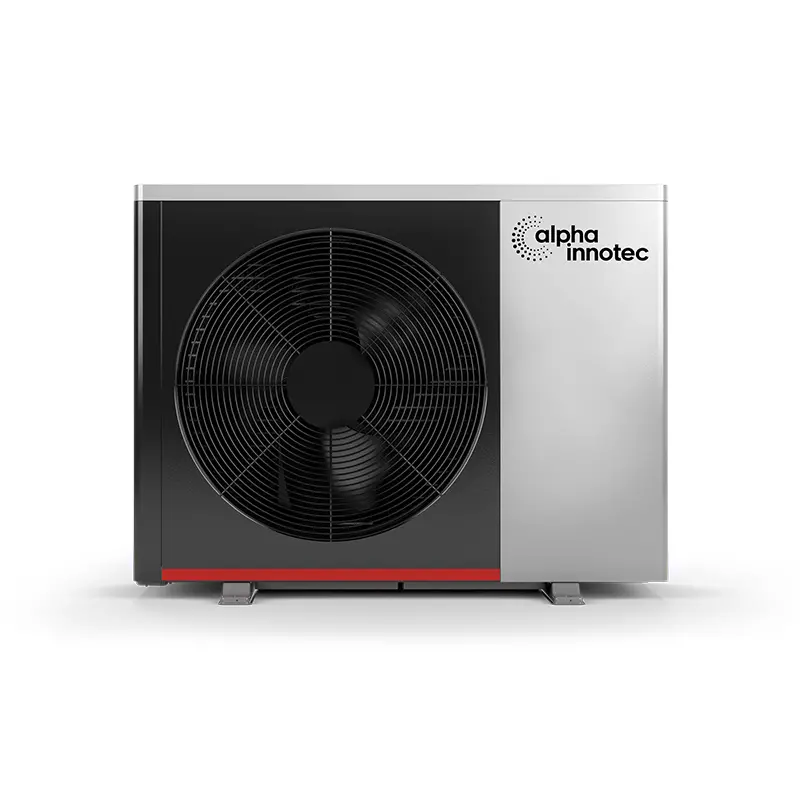
Hybrox SE Series
• Inverter heat pump
• Refrigerant R290
• Building heating load: 5-14 kW
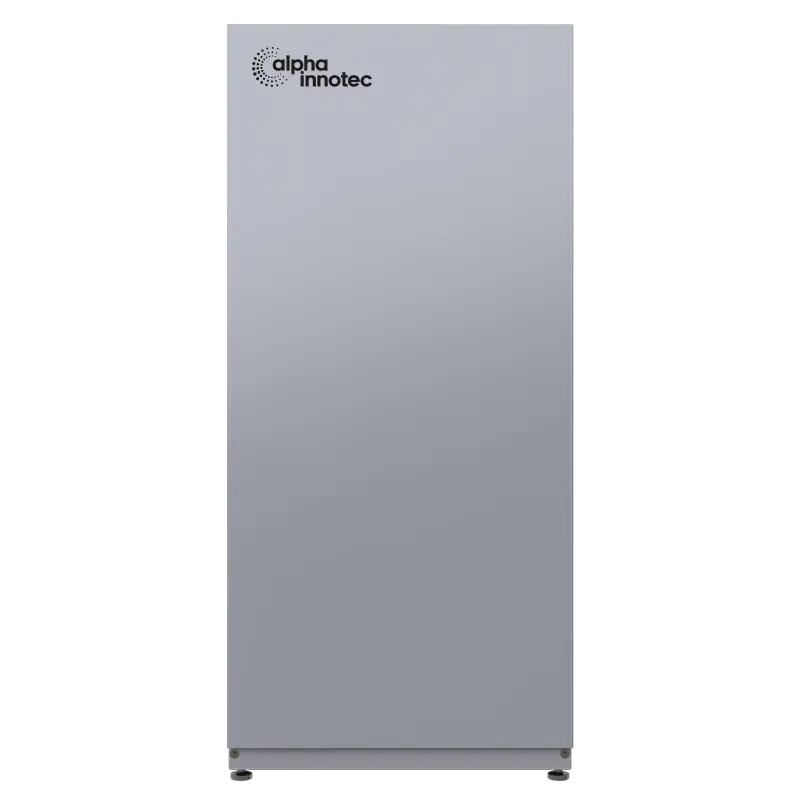
Paros
• Inverter heat pump
• Suitable for indoor installation
• Building heating load: 4-5 kW
Although ground source heat pumps are theoretically more efficient, they are usually not practical for terraced houses. The reason: they require a lot of space for the ground collectors or ground probes and involve complex drilling. In densely populated areas, they therefore quickly reach their limits and are therefore less suitable.
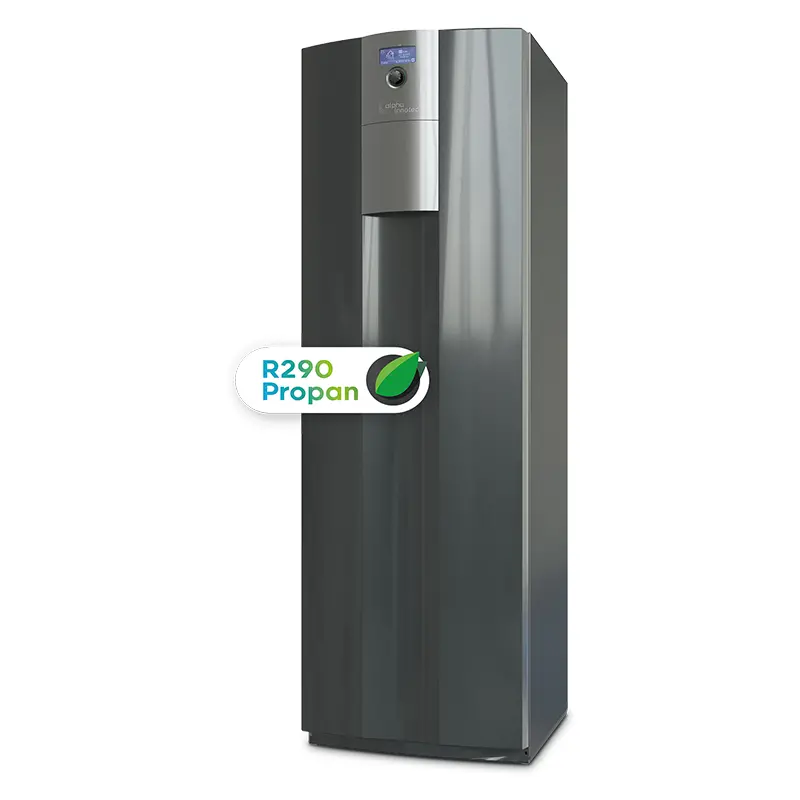
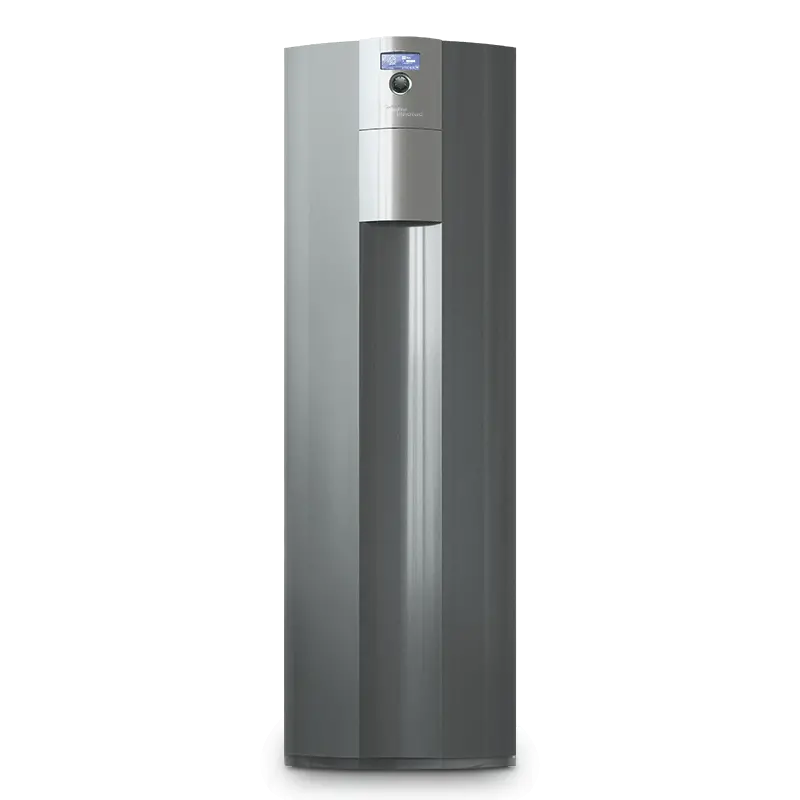
WZSV 63
• Inverter heat pump
• Refrigerant R290
• Building heating load: 3-6 kW
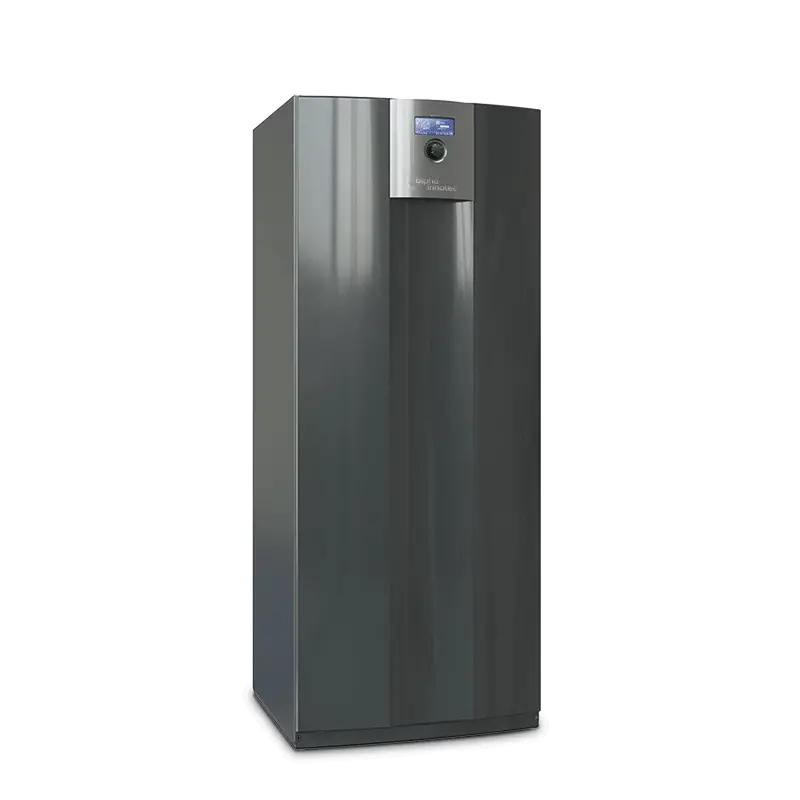
WZSV Series
• Inverter heat pump
• Refrigerant R410A
• Building heating load: 3-14 kW
SWCV Series
• Inverter heat pump
• Refrigerant R407C
• Building heating load: 4-5 kW
If you only want to heat water with a heat pump, you might consider a hot water heat pump. These usually do not require any complex drilling and are therefore generally well suited for use in terraced housing estates.
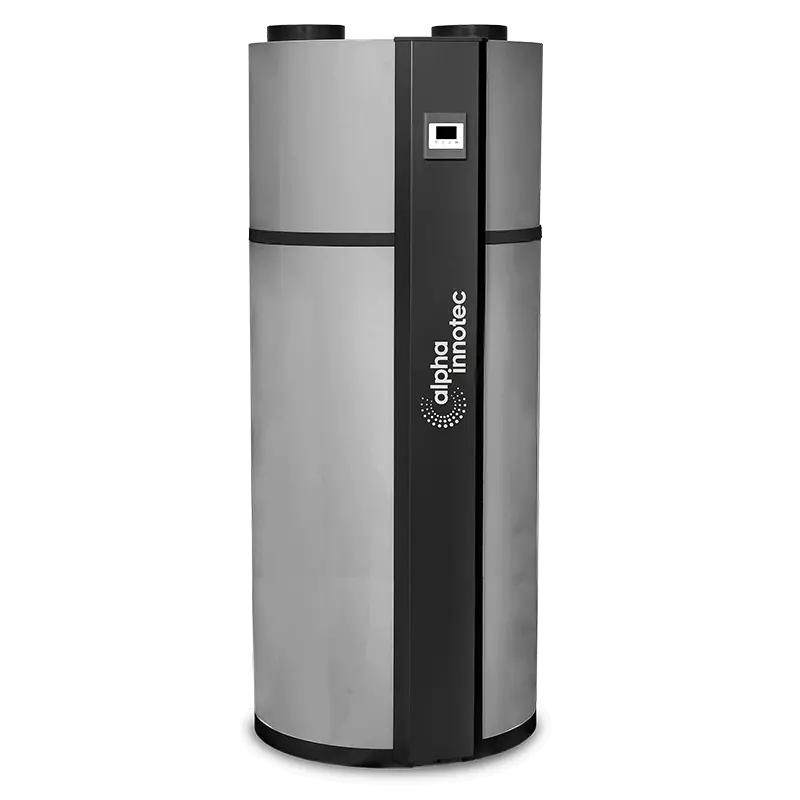
BWP series
• Fixspeed - heat pump
• refrigerant R134A
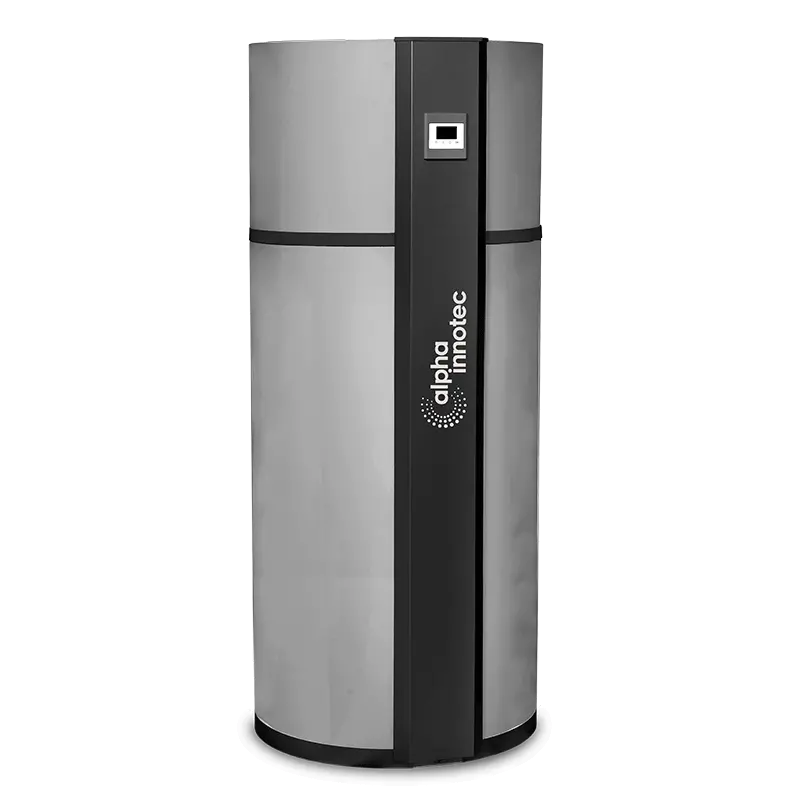
WWB
• Water/water booster
• refrigerant R134A
ⓘ A particularly exciting option for terraced houses with sufficient roof space is the combination of photovoltaics with a heat pump. This saves space on the property and also enables electricity production.
Legal requirements: Noise protection
Noise protection is the biggest issue in terraced houses. This is not only due to the noise emissions of a heat pump, but also to the special acoustics of terraced houses.
In a row of houses, sound reflections have a different effect than in isolated buildings:
- Reflection on facades: The sound is “trapped” between the house fronts and amplified.
- Courtyards and carports: These act as natural sound amplifiers.
- Operating conditions vary: Defrosting, full-load operation, and night operation produce different noise profiles.

A modern air-to-water heat pump generates 45–60 dB(A) at a distance of 1 meter, which is roughly equivalent to the noise level of a refrigerator. At night, at a distance of 3 meters, the value is already below 30 dB(A) – but sound propagation must be taken into account on the way there.

ⓘ More on the topic of “Heat pump noise levels”
THE APPLICABLE LIMIT VALUES
In most countries, binding emission limits apply to technical installations, which vary in severity depending on the type of area (e.g., purely residential area, mixed-use area) and time of day. As a rule, the sound pressure level measured at the neighbor's nearest room requiring protection is decisive.
The values are measured at the nearest window of the neighbor's rooms requiring protection:
Area type | Day (6 a.m.–10 p.m.) | Night (10 p.m.–6 a.m.) |
Pure residential areas | 50 dB(A) | 35 dB(A) |
General residential areas | 55 dB(A) | 40 dB(A) |
Small settlements | 55 dB(A) | 40 dB(A) |
Typically, higher limits apply during the day than at night, as nighttime quiet hours are particularly protected.
The critical point for heat pumps lies in the nighttime limits, which are significantly stricter.
DISTANCE RULES FOR NOISE PROTECTION
The minimum distances to neighboring boundaries required by building regulations are not uniformly regulated internationally and vary depending on national and local building laws.
Minimum distances of around 2 to 3 meters are common, although in many countries it is not the distance itself that is decisive, but compliance with the permissible noise limits.
ⓘ Important: In most legal systems, the standard distance is only a guideline. The decisive factor is that the applicable noise limits for the neighboring building are complied with. In critical cases, an individual noise calculation by a specialist planner is essential.

Legal requirements: The neighborhood
Beyond noise and the mere distance to the property line, there are several other aspects of neighbor law to consider. The so-called neighbor uses are particularly crucial:
- Bedroom windows: Is there a bedroom on the neighbor's side that faces directly toward the heat pump? This is the most critical scenario.
- Terraces and recreation areas: Outdoor seating areas need protection and can be problematic if incorrectly positioned.
- Ventilation openings: Open windows or ventilation systems at the neighbor's property increase the perception of noise.
Two identical distances to the neighbor can therefore be assessed completely differently in terms of their need for protection.
ⓘ Preventing neighborhood conflicts
- Talk to your neighbors before installation.
- Make sound calculations transparent.
- Proactively install soundproofing measures.
- For mid-row houses, consider both neighbors (not just one).
Will a heat pump work in an old terraced house?
Yes, a heat pump also works in an older terraced house. Terraced houses from the 1980s and 1990s are often not fully energy-efficient, but they have smaller exterior wall areas than detached houses. Flow temperatures of 50-55°C are often sufficient here, and careful hydraulic balancing, realistic flow temperature control, and possibly retrofitting larger radiators can ensure optimum efficiency.
Costs & Funding
Type | Acquisition costs | Installation | Access | Total |
| Air-water heat pump (recommended for terraced houses) | 8.000 to 17.500 euros | 3.000 to 7.000 euros | - | 11.000 to 24.500 euros |
Geothermal energy / groundwater | 12.000 to 18.000 euros | 3.000 to 7.000 euros | 5.000 to 12.000 euros | 20.000 to 37.000 euros |
Government subsidy programs (building renovation)
- Basic subsidy: In many countries, 20–30% of eligible investment costs are subsidized.
- Replacement bonus: Additional subsidies for replacing a fossil fuel heating system with a heat pump.
- Technology bonus: Additional subsidies for particularly efficient systems or environmentally friendly refrigerants.
- Total possible: Depending on the state, subsidies of 30–40% of the investment costs are realistic.
- In some states, individual renovation roadmaps or energy consultations increase the subsidy rates even further.
This means that, after subsidies, the effective costs of an air-to-water heat pump in a terraced house can be significantly lower than the list prices, depending on the national subsidy framework.
Terraced house with a heat pump: a report from the field
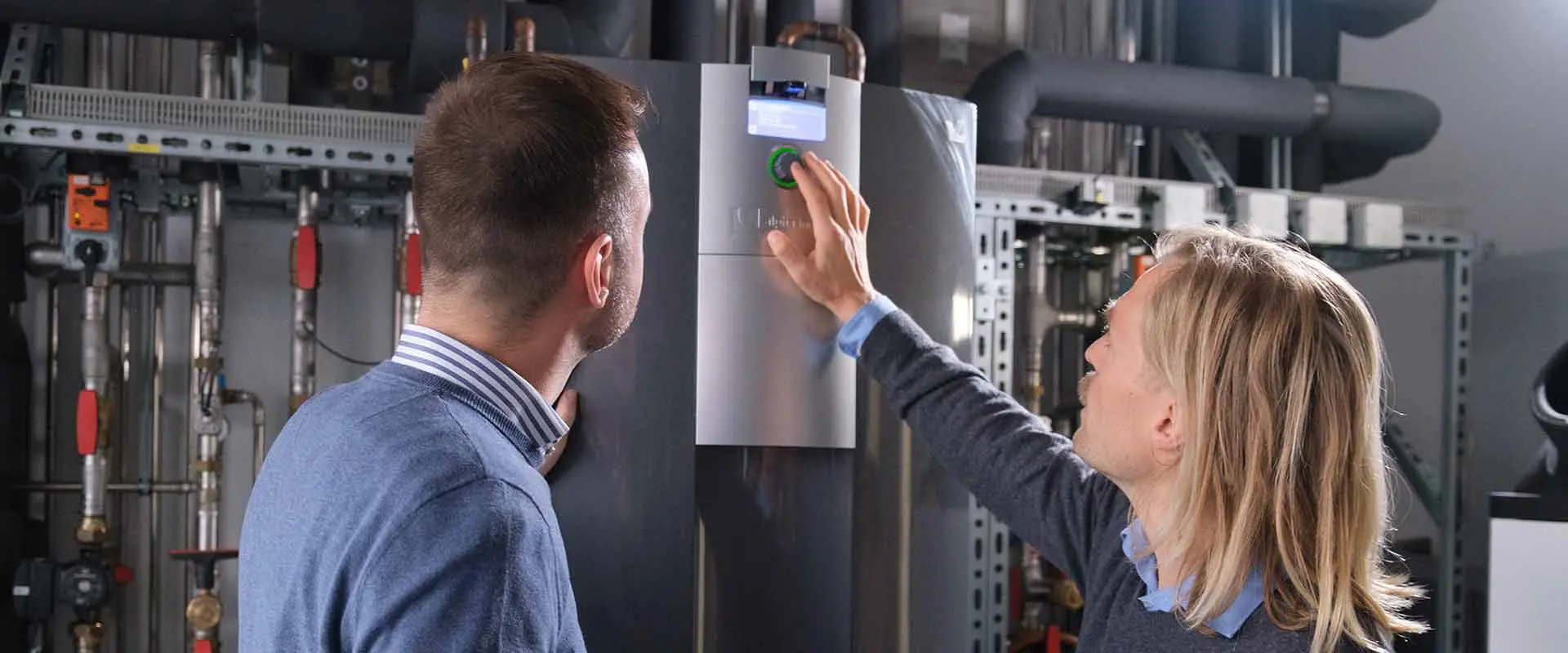
Despite limited space, no underfloor heating, and initial skepticism from many heating engineers, Wolfgang Andrä took the plunge and switched from gas to an indoor air/water heat pump—with great success. In his 1996 terraced house in Weimar, an alpha innotec Paros 4 now reliably provides heat via existing radiators. Energy consumption has fallen by around 85 percent, and the system runs quietly, efficiently, and without compromising on comfort. For Wolfgang, one thing is certain: the decision to install a heat pump was absolutely the right one – even in a terraced house and in an existing building.
Conclusion
A heat pump in a terraced house is not only possible—under the right conditions, it is the most sensible heating solution for the future.







.webp)


_Referenz%20Neustadt%20am%20R%C3%BCbenberge.webp)



.webp)