


Can a heat pump be installed in the basement?
To answer the question directly: Yes, a heat pump can be installed in the basement—provided certain requirements are met. The basement is an attractive location for many homeowners, especially when outdoor space is limited or when noise emissions might cause conflicts with neighbors.
Basement installation is often the preferred option for ground-source and domestic hot water heat pumps. For air-to-water heat pumps, indoor installation requires specific structural adaptations.
The most important facts in 10 seconds
- The basement is a suitable installation location if various conditions are met.
- Ground-source and domestic hot water heat pumps particularly benefit from basement installation.
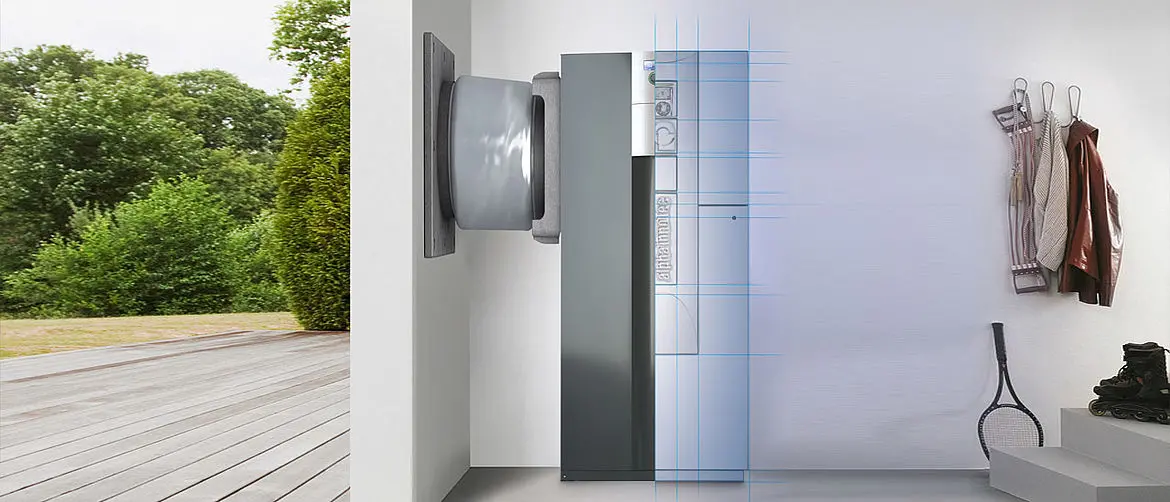
- Air-to-water heat pumps require air supply and exhaust ducts through exterior walls.
- Load-bearing capacity, space, ventilation, and wastewater connection are essential requirements.
- Costs for basement installation vary depending on the type of heat pump.
When is the basement a sensible location?
A basement is useful in several scenarios:
- Limited outdoor space: Common in row houses or small lots.
- Noise reduction: The basement shields neighbors from noise — especially relevant in densely populated areas.
- Aesthetic reasons: The unit remains hidden and does not affect the garden’s appearance.
- Ground-source heat pumps: Standard solution, as piping to ground probes or collectors can be laid internally.
- Domestic hot water heat pumps: Require access to room air, making the basement ideal.
- Shorter pipe runs: Components like storage and control systems can be positioned closely together.
What are the requirements for a basement heat pump?
For a heat pump to operate safely and efficiently in the basement, several basic requirements must be met.
Load-bearing capacity & installation surface
The surface on which the heat pump stands must be completely level and load-bearing. A heat pump typically weighs between 200 and 400 kilograms, plus the buffer tank. The floor should be made of concrete or a similarly stable material and must not have elastic or flexible surfaces — as this would amplify vibrations and lead to structure-borne noise issues.
Minimum distance to sensitive areas
The heat pump should be installed at a sufficient distance from bedroom windows, ventilation openings, and doors to minimize sound transmission and avoid exposure to drafts.
Air intake & thermal short-circuit prevention
For indoor installations of air-to-water heat pumps, optimal air supply is essential. Two wall openings are required to install separate air intake and exhaust ducts. These ducts should be positioned with sufficient distance between them — ideally at least two to three meters apart or on different walls.
Otherwise, there is a risk of a thermal short circuit: the already cooled exhaust air is immediately drawn in again instead of using fresh outdoor air. This would significantly reduce the heat pump’s efficiency. Experts therefore often recommend a corner installation, where intake and exhaust openings are located on different sides of the building.
Ventilation & air exchange
The basement room itself must be adequately ventilated to prevent excessive humidity levels. High moisture can lead to condensation on walls and mold growth. Although the heat pump extracts heat (and therefore moisture) from the room air, good cross-ventilation — or, if necessary, a mechanical ventilation system — helps maintain a stable indoor climate over the long term.
Wastewater connection
During the operation of the heat pump — especially in winter — condensate is produced. This must be able to drain through a wastewater connection. A siphon or suitable drainage system must be in place, as accumulating moisture can lead to standing water and pose a risk to the unit.
Special Basement Types and Their Requirements
Not all basements are the same. Especially in older buildings and existing properties, basements can often present special requirements for installing a heat pump.
Partially Basemented Older Buildings
Many older single- and two-family homes have a basement only under part of the house. This poses a challenge for air duct routing: both the intake and exhaust ducts must be installed through exterior walls or ceiling openings. Careful planning is required to avoid long duct runs and the resulting air flow losses.
LOW BASEMENT (CEILING HEIGHT UNDER 2 METERS)
Basements with low ceiling heights (under two meters) can be problematic. The heat pump itself typically requires around 1.5 to 1.8 meters of height, plus space for the air ducts and piping. In such rooms, it is often difficult to accommodate all components. Alternatively, the heat pump can also be installed in the attic.
SLOPED BASEMENT
Sloped basements that are in contact with soil on one side must be carefully monitored for moisture buildup. Ground moisture can penetrate through cracks or inadequate sealing. Before installing a heat pump, the waterproofing should be checked and, if necessary, improved.
DAMP OR UNHEATED BASEMENT
Damp basements noticeably reduce the efficiency of a heat pump and increase operating costs. The heat pump has to work harder to generate heat in a humid environment. In such cases, prior renovation of the basement (sealing, drainage) is advisable.
Which Heat Pumps Are Suitable for Basement Installation?
Depending on the type of heat pump, the requirements and suitability for basement installation vary significantly.
AIR-TO-WATER HEAT PUMP
For indoor installation of an air-to-water heat pump in the basement, two variants can be distinguished:
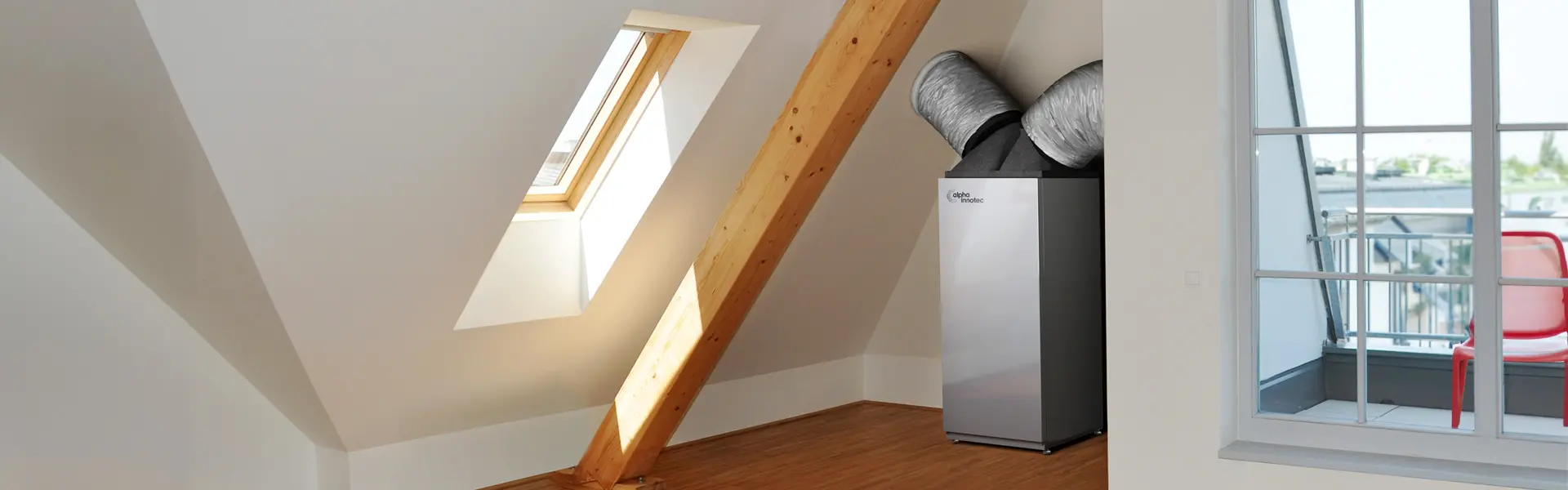
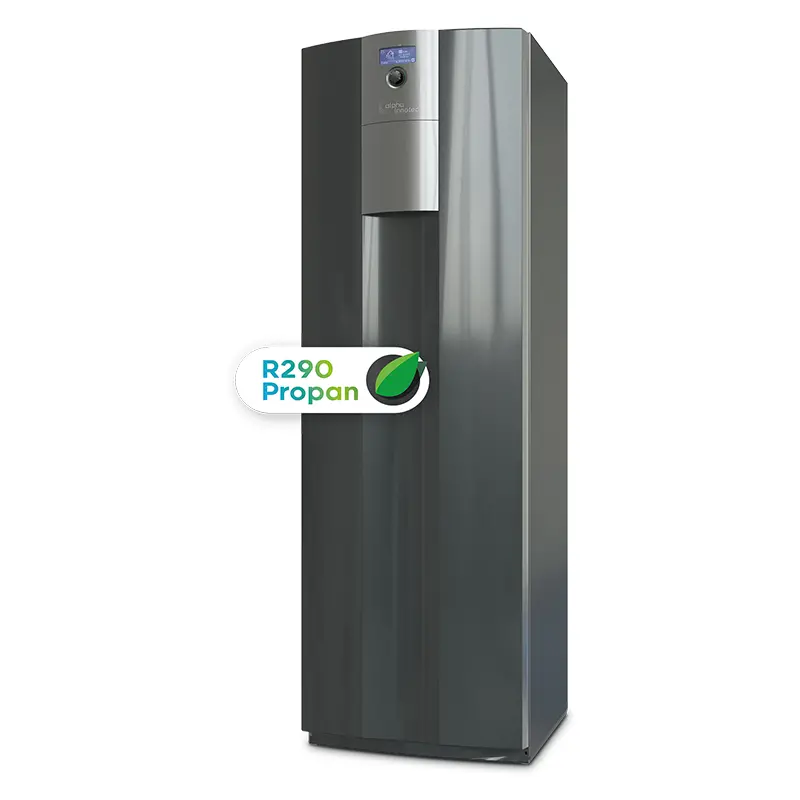
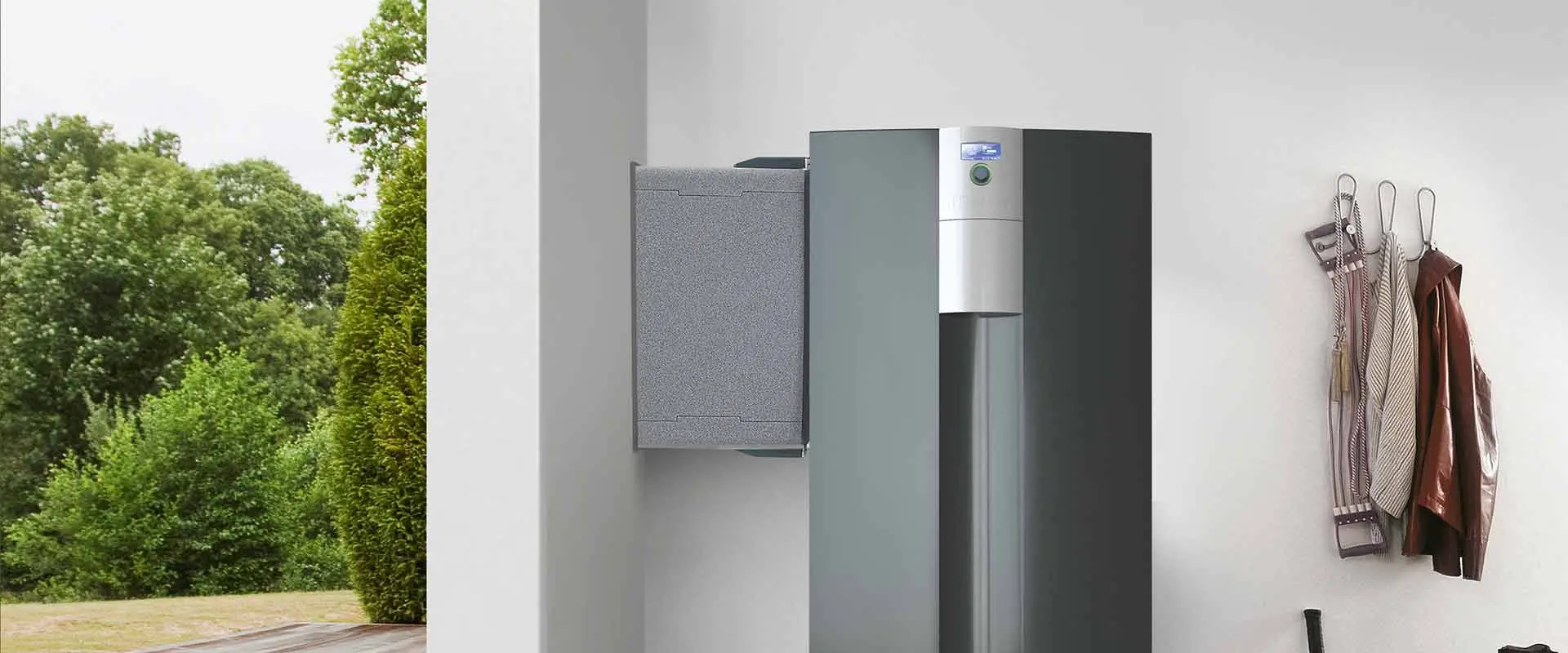
Monobloc (indoor): The entire system is located in the basement. Two air ducts through the exterior wall are required. This variant saves outdoor space but requires structural modifications.
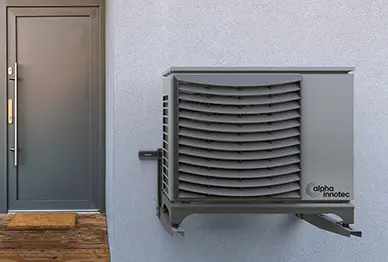
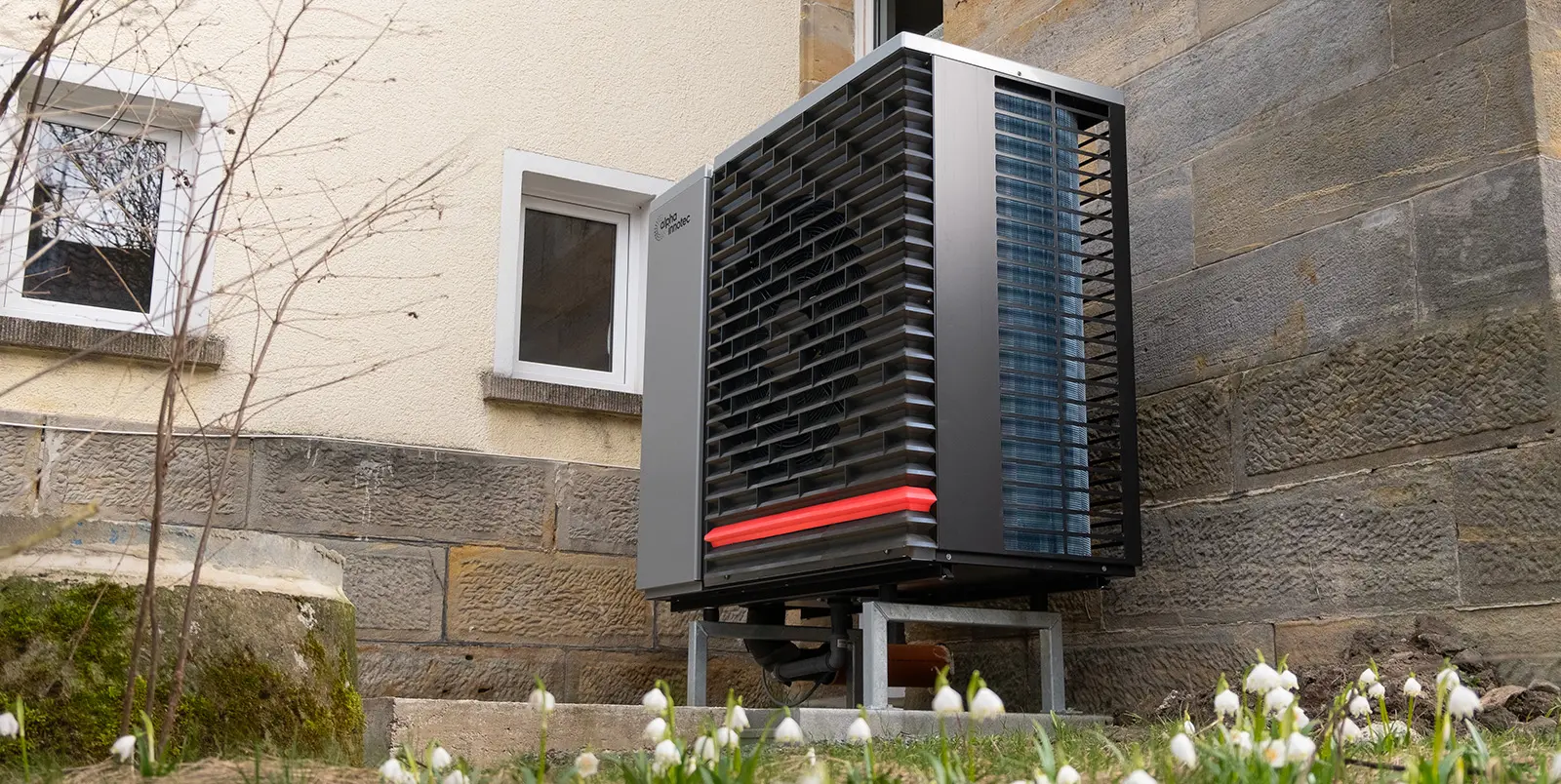
Split system: The compressor and storage tank are placed inside (in the basement), with only a compact outdoor unit. This reduces the need for air ducts but is more complex to install.
When suitable:
✓ Limited outdoor space
✓ High noise protection requirements (close neighbors)
✓ Partially basemented house
✓ Wall penetrations are possible and no sealing issues exist
When NOT suitable:
✗ Basement is too damp (without prior renovation)
✗ No access to exterior walls for air ducts
✗ Extremely low or high basement ceilings
✗ Sound insulation cannot be properly implemented
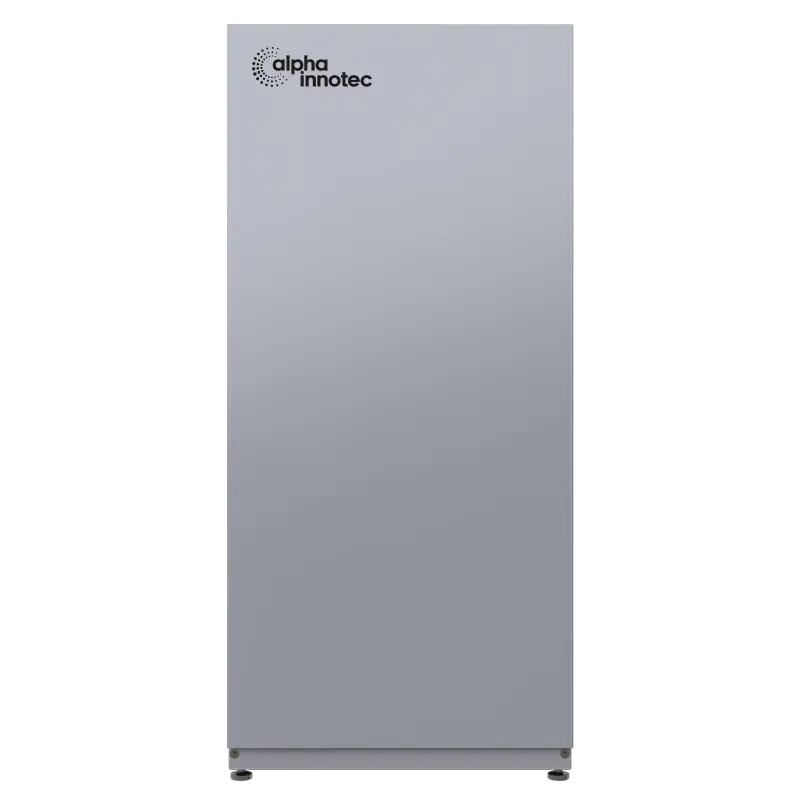
Paros
• Inverter Heat Pump
• Building heat load: 4-5 kW
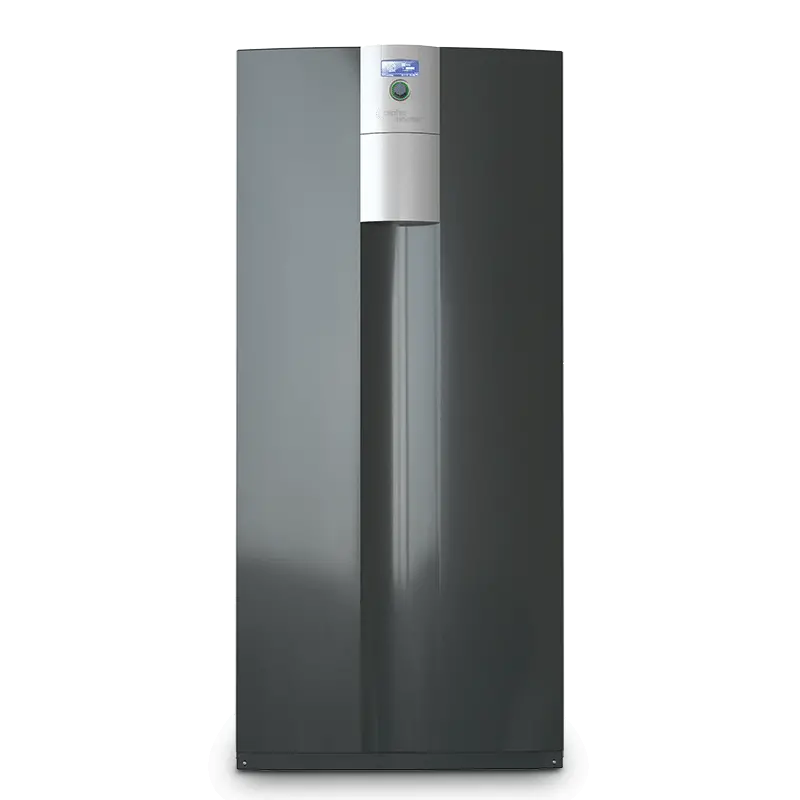
LWCV Series
• Inverter Heat Pump
• Building heat load: 7-12 kW
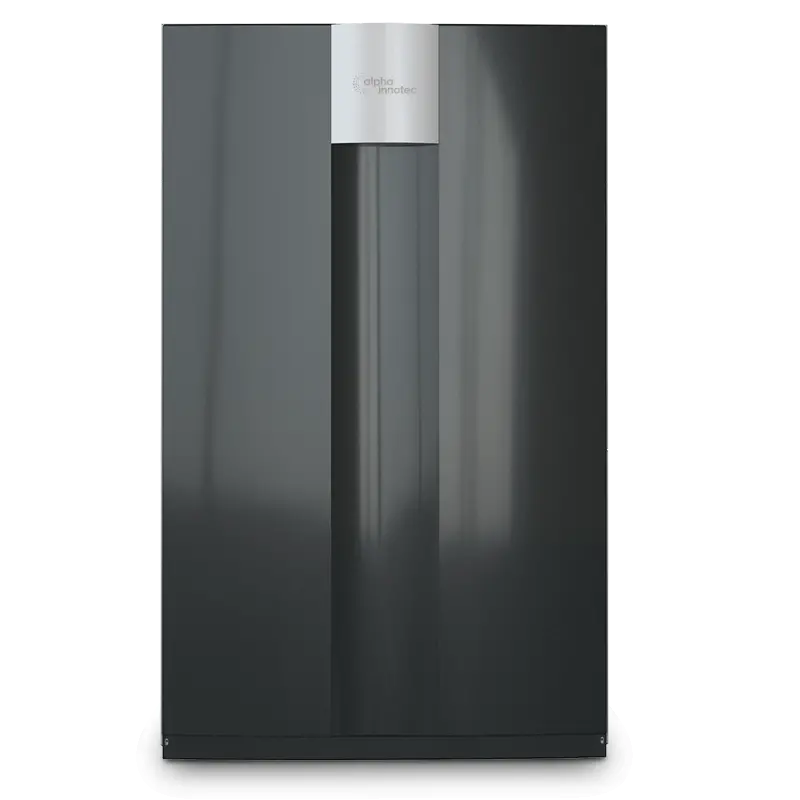
LWV Series
• Inverter Heat Pump
• Building heat load: 7-12 kW
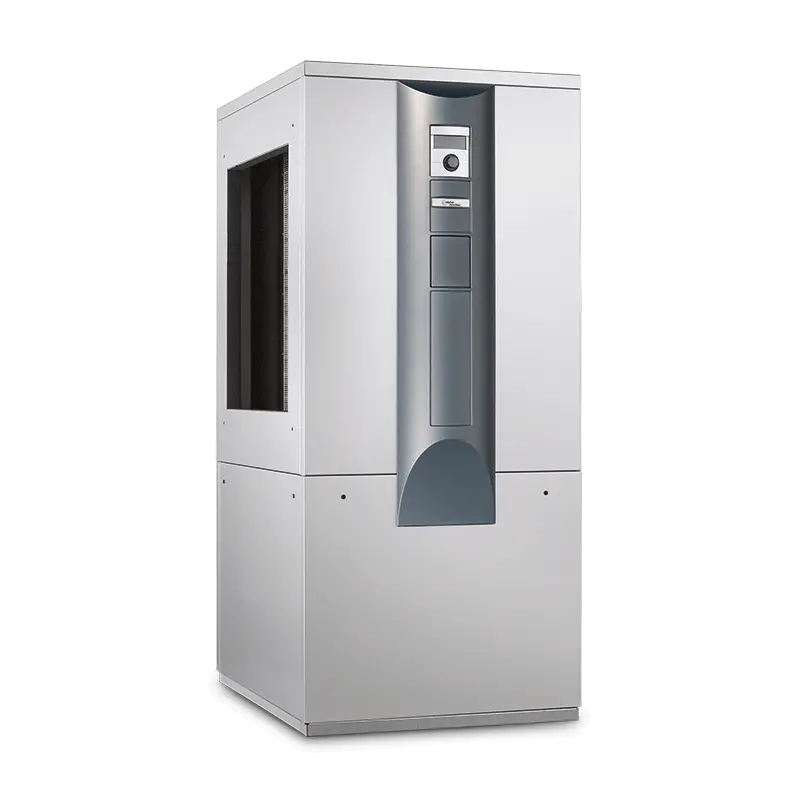
LW Series
• Fixspeed Heat Pump
• Building heat load: -30 kW
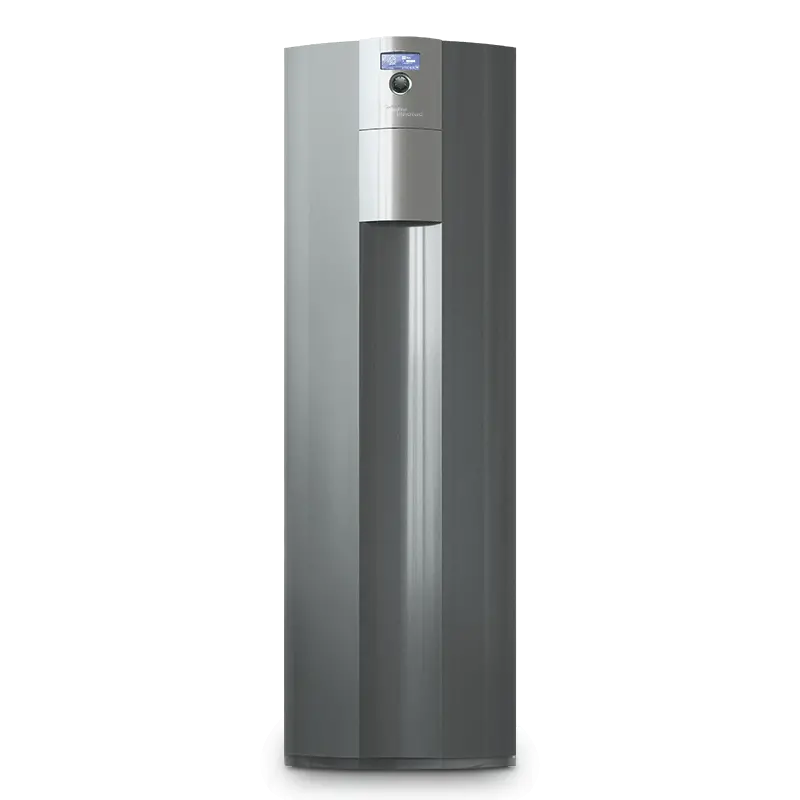
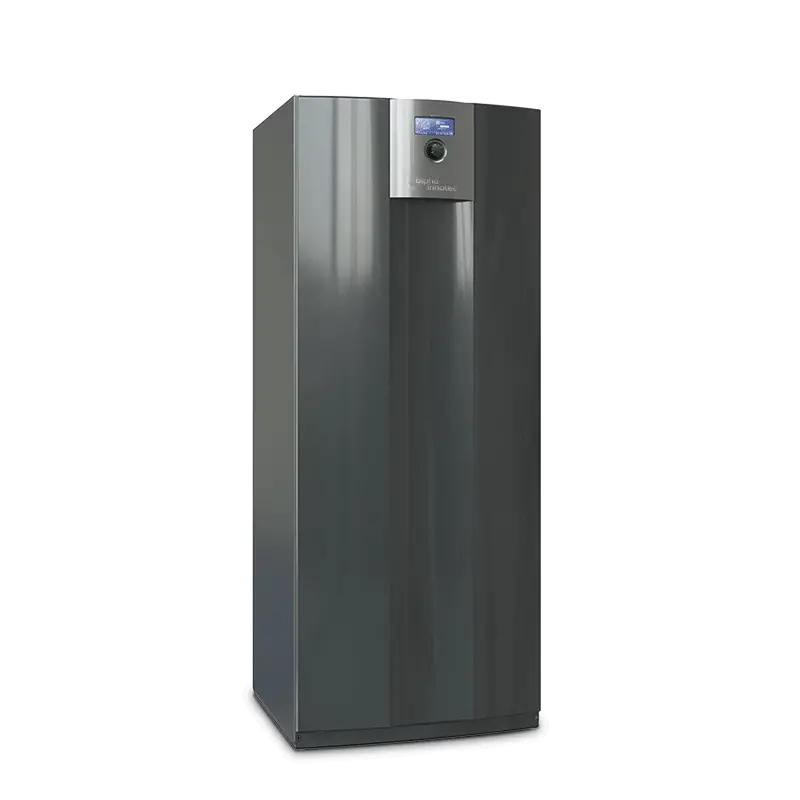
GROUND-SOURCE HEAT PUMP (BRINE-TO-WATER HEAT PUMP)
The basement is often the best installation location for ground-source heat pumps. The system requires no outdoor air or space. Pipes to the boreholes or collectors can be laid from inside, which helps reduce heat loss. The basement protects the unit from weather and allows for short connection paths to the storage tank and heating distribution system.
When suitable:
✓ Suitable for all types of basements (even damp ones with proper preparation)
✓ Limited outdoor space
✓ High efficiency requirements
✓ New builds and renovations
✓ Boreholes are permitted (check with local authorities)
When NOT suitable:
✗ Boreholes for ground probes are not approved (in some municipalities)
✗ Property is too small for surface collectors
✗ Extremely high groundwater levels (drilling not possible)
DOMESTIC HOT WATER HEAT PUMP
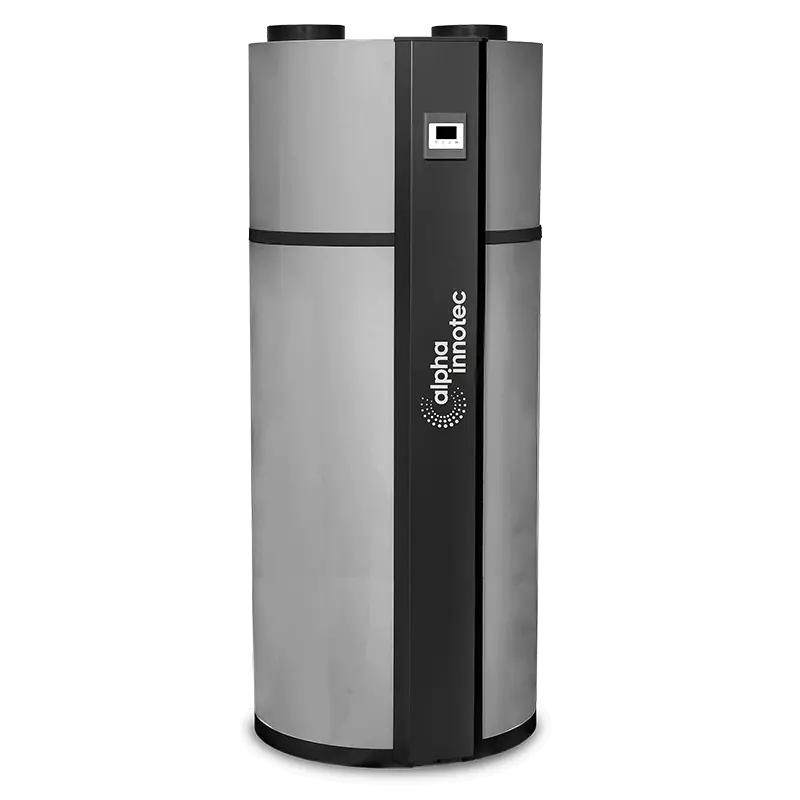
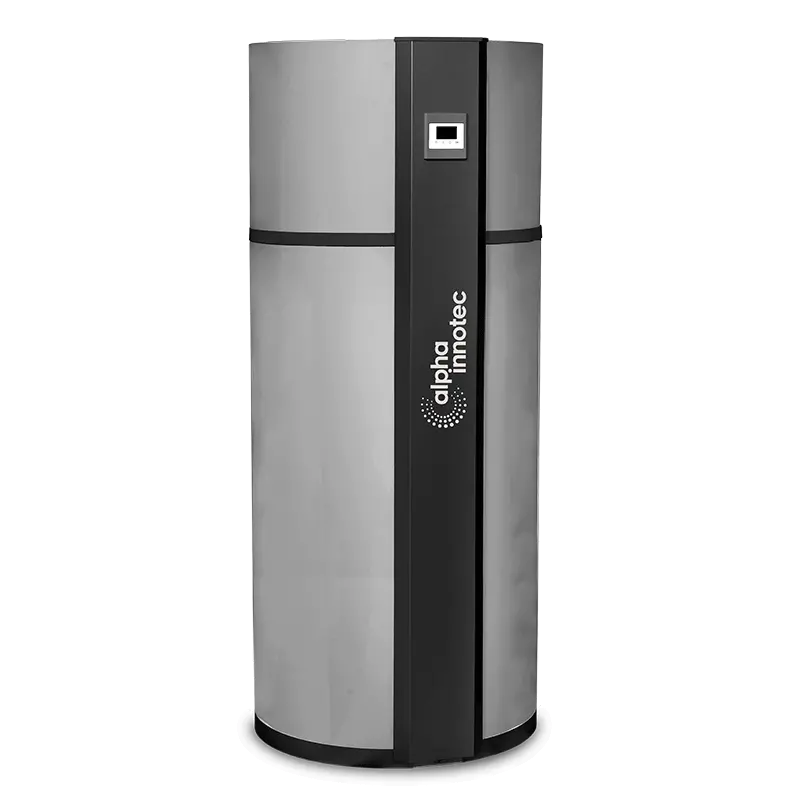
Domestic hot water heat pumps are ideal for basement installation. They require no outdoor space, no complex air duct systems, and even benefit from the typically warmer basement air (from the waste heat of other devices). As a side effect, they also help dehumidify the basement.
When suitable:
✓ Suitable for all basement types
✓ Especially effective in damp or unheated basements
✓ For small plots of land
✓ As a supplement to a space heating heat pump
✓ For low to medium hot water demand
When NOT suitable:
✗ In cases of very high hot water demand (multiple people, frequent showers)
✗ If the basement air is permanently very cold
BWP Series
• Uses room air for hot water
• Highly efficient & quiet
• Easy installation
WWB Series
• Uses fluids for hot water
• Highly efficient & quiet
• Easy installation
Advantages and Disadvantages of a Heat Pump in the Basement
Advantages | Disadvantages |
Protection from weather conditions | Wall penetrations for air ducts (required for air-to-water HP) |
Space-saving in the garden and outdoor area | Structure-borne noise transmission into the house possible |
Quieter for neighbors (if properly installed) | Less space available in the basement (access may be difficult) |
Short pipe runs for ground-source heat pumps | Wall penetrations can cause energy loss |
Easy access to storage tank and heating distribution | Dependent on basement quality (height, moisture) |
Cost-efficient solution for small plots |
|
Sound insulation within the unit is relatively simple |
|
Proper Ventilation of a Heat Pump in the Basement
Proper ventilation of an air-to-water heat pump installed in the basement is crucial for efficiency, low noise levels, and a healthy indoor climate. Since outdoor air is drawn in and expelled again, the supply and exhaust air ducts must be carefully planned.
Key points for air ducting:
- Two separate ducts for supply and exhaust air are required.
- Recommended minimum diameter: 200–250 mm to avoid pressure loss and airflow noise.
- Ducts should be kept as short as possible (ideally 5–10 m).
- Thermal insulation of at least 50 mm is needed to prevent energy loss and condensation.
- Supply and exhaust openings on the building facade must be positioned to avoid backflow and not cause disturbance near windows or neighboring areas.
ⓘ Important:
The installation room should also have basic ventilation — for example, through windows, air vents, or a mechanical ventilation system. Although the heat pump extracts moisture from the air, inadequate ventilation can still lead to condensation and mold growth.
Sound Transmission Within the House from a Basement Heat Pump
Installing a heat pump in the basement raises one of the most important issues: sound transmission within the building. The main concern is not airborne noise, but the transfer of vibrations through the building’s structure.
HOW DOES SOUND SPREAD?
Airborne noise is generated directly at the unit (e.g. by the compressor and fan) and travels through the air. With indoor installation, this type of noise is usually less disturbing for residents.
Structure-borne noise is the greater challenge: vibrations are transmitted through the housing, floor, ceiling, and pipework, and can be perceived as a deep hum — even in distant rooms.
MEASURES TO AVOID STRUCTURE-BORNE NOISE AND RESONANCE
- Elastic mounting of the heat pump, such as using special vibration dampers, rubber mats, or a decoupled foundation slab
- Sound decoupling of the pipework, for example with flexible connections or stainless-steel braided hoses instead of rigid fixtures
- Soundproofed installation room, e.g. with sound-absorbing wall and ceiling panels, solid doors, and tightly sealed door frames
- Sufficient distance from walls and adjoining rooms (ideally 1–2 meters)
- Proper sizing and control settings so the heat pump operates quietly with as few start cycles as possible
User Experiences
Wolfgang Andrä lives in a terraced house in Weimar. Together with his wife, he wanted to become independent from fossil fuels while also contributing to environmental protection. Due to the dense development in his neighborhood, an indoor heat pump installation — specifically in the basement — was the ideal solution for him.
Read the full user story: Terraced house with indoor heat pump
Conclusion
Installing a heat pump in the basement is a practical and often sensible solution for homeowners with limited outdoor space or specific noise protection requirements. Ground-source and domestic hot water heat pumps particularly benefit from basement installation, while air-to-water heat pumps can also function reliably in the basement with appropriate structural modifications.
The key success factors are:
- Careful planning with a professional heating planner
- Verifying all prerequisites (load-bearing capacity, ventilation, wastewater connection)
- Investing in sound insulation and vibration decoupling
- Renovating damp basements beforehand
- Taking advantage of government subsidies

Frequently Asked Questions (FAQ)
How much does a basement heat pump cost?
Air-to-water heat pumps typically cost around €11,000 to €24,500 including equipment and installation. Ground-source (brine-to-water) heat pumps range from approximately €20,000 to €35,000, and domestic hot water heat pumps usually fall between €5,000 and €10,000 depending on the system and performance. Government subsidies can help reduce the out-of-pocket costs.
Are there noise protection regulations for basement heat pumps?
Yes, regulations regarding permissible noise levels vary by region. Please check with your local municipality or building authority to find out which rules apply in your area.
Is a heat pump in the basement safe?
Yes, provided it is professionally installed and properly maintained. Important factors include protective circuit breakers, regular checks of the refrigerant, and a functioning wastewater connection.






.webp)










.webp)


_Referenz%20Neustadt%20am%20R%C3%BCbenberge.webp)

