


The requirements for a heat pump
Whether purchasing a heat pump is worthwhile depends on various factors: the condition of the building, insulation, heating system, and energy requirements. For many homes, a heat pump can be easily installed today. Only in cases of very high heat requirements might a hybrid system or wood-fired heating be more sensible.
Conclusion in advance:
If your house is fundamentally suitable, a heat pump is almost always a worthwhile choice, both ecologically and economically. It reduces ongoing heating costs, increases property value, and is the most sustainable heating solution available for private homes. A photovoltaic system with a heat pump is the most efficient solution.
Most important points in 10 seconds
- Good insulation and low flow temperature are basic requirements.
- Hydraulic balancing and professional planning are mandatory for subsidies.
- Different requirements apply depending on the type of heat pump.
- Only eligible for subsidies with a proven annual performance factor (APF ≥ 2.7–3).
- Combining with photovoltaics significantly reduces operating costs.
Technical and structural requirements for a heat pump
Whether a heat pump works efficiently depends largely on the technical and structural conditions of your home.
Building insulation and energy requirements
“The better the house is insulated, the lower the heating load and the smaller and more efficient the heat pump can be designed.”
~ Benjamin Meisel, Head of Product Management , alpha innotec
Good thermal insulation is the most important prerequisite for the efficient operation of a heat pump. Ensure that the walls, roof, and basement ceiling are adequately insulated and that you have modern, tightly sealed windows.
Rules of thumb for assessment:
- New buildings that meet energy efficiency standards are ideal.
- Renovated old buildings can usually be used without any problems if the outer shell or windows have been insulated.
- Unrenovated old buildings with high heat loss require renovation measures or a hybrid solution.
Heating energy requirement (kWh/m²a)
New building: ≤ 40 kWh/m²a
Renovated old building: ≤ 80 kWh/m²a
Unrenovated old building: > 120 kWh/m²a (only suitable to a limited extent)
Heating system and flow temperature
In addition to insulation, the heating system plays a decisive role. Heat pumps work most efficiently when operated at low flow temperatures. Surface heating systems such as floor, wall, or ceiling heating are ideal because they only require a flow temperature of 30–40 °C.
However, a heat pump with radiators usually also works, provided that they are large and the required heating output is achieved with a flow temperature of maximum 50–55 °C.
👉 Our tip: If you still have classic ribbed radiators, you can significantly improve the efficiency of your heat pump by replacing them with larger or modern surface heating systems.

Heating load and hot water demand
Before a heat pump is installed, a specialist company must carry out a heating load calculation in accordance with DIN EN 12831. This shows how much heating power your house actually needs. The lower the heating load, the smaller and more cost-effective the system can be designed.
- Guideline value for air-to-water heat pumps: up to 15 kW heating load
- Guideline value for brine-to-water heat pumps: up to 20 kW heating load
Hot water demand also plays a role. For a four-person household, a storage tank with a volume of around 300 liters is recommended.
Electrical requirements and storage tank
A heat pump requires sufficient electrical power to operate the compressor and control system. In most cases, a three-phase connection (400 V) is required. This connection is usually available in single-family homes. In older buildings, especially in the case of conversions or retrofits, an electrician should check whether the house connection is sufficiently designed for the operation of a heat pump.
In addition to the electrical connection, the hydraulic design also plays a decisive role in the efficiency of the heat pump. Buffer storage tanks and combination storage tanks serve as heat buffers, temporarily storing excess energy and ensuring constant temperatures in the heating system.
Separate electricity meter for heat pump tariffs
To ensure that the heat pump remains economical to operate, a separate electricity meter is recommended. Many energy suppliers offer special heat pump tariffs that are cheaper than normal household electricity. These tariffs make it possible to purchase electricity at particularly favorable conditions during periods of low grid load.
Depending on the supplier, prices are 10–20% below the regular tariff if the heat pump is billed via its own meter.
Advantages of a separate heat pump tariff
- Reduced electricity costs (up to 20% cheaper)
- Transparent billing separate from household electricity
- Grid-friendly operation thanks to time-controlled blocking periods
- Prerequisite: second meter location in the distribution box
Space requirements, installation location, and noise protection
Heat pumps require sufficient space both indoors and outdoors. Requirements vary significantly depending on the system.
Indoor installation
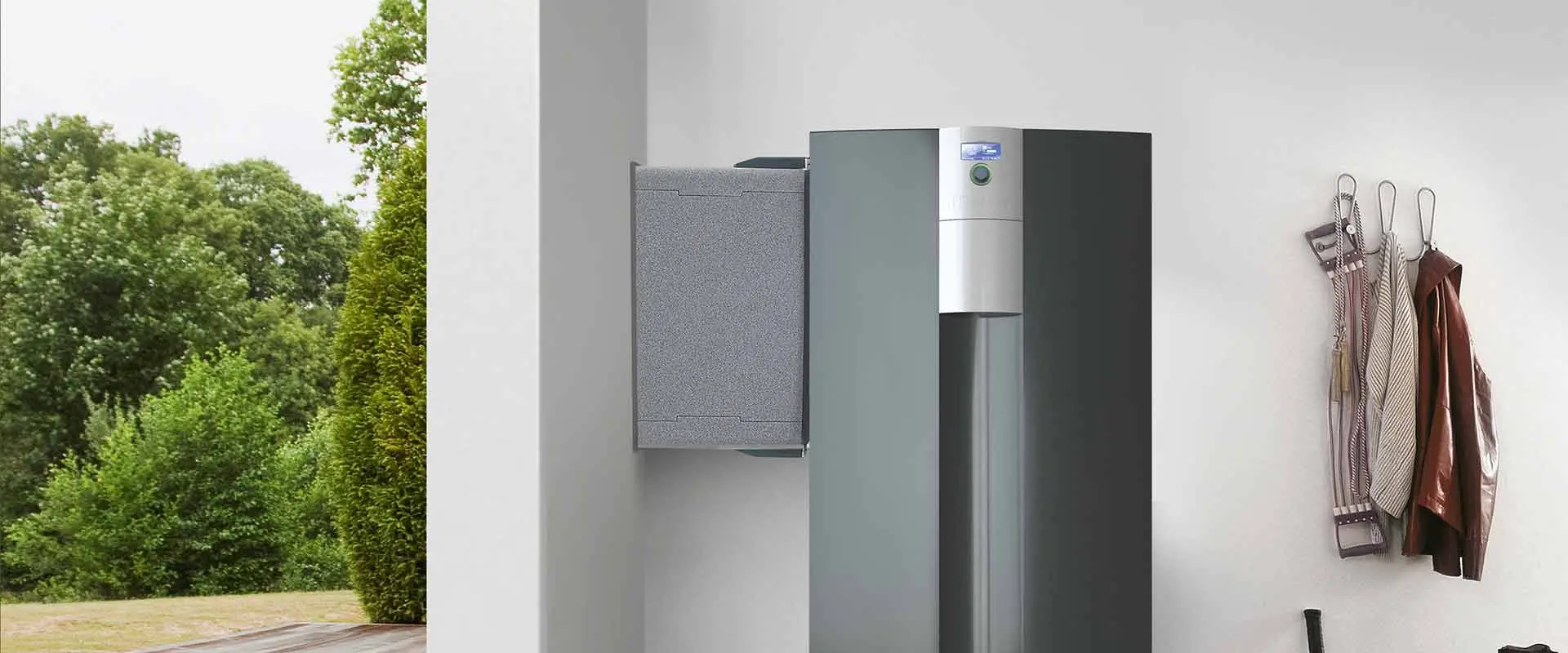
For heat pumps installed indoors (e.g., brine or water-water systems), a utility room with an area of around 6 m² and a ceiling height of 2 m should be available. The room must be dry, well ventilated, and easily accessible for maintenance work.
Outdoor installation
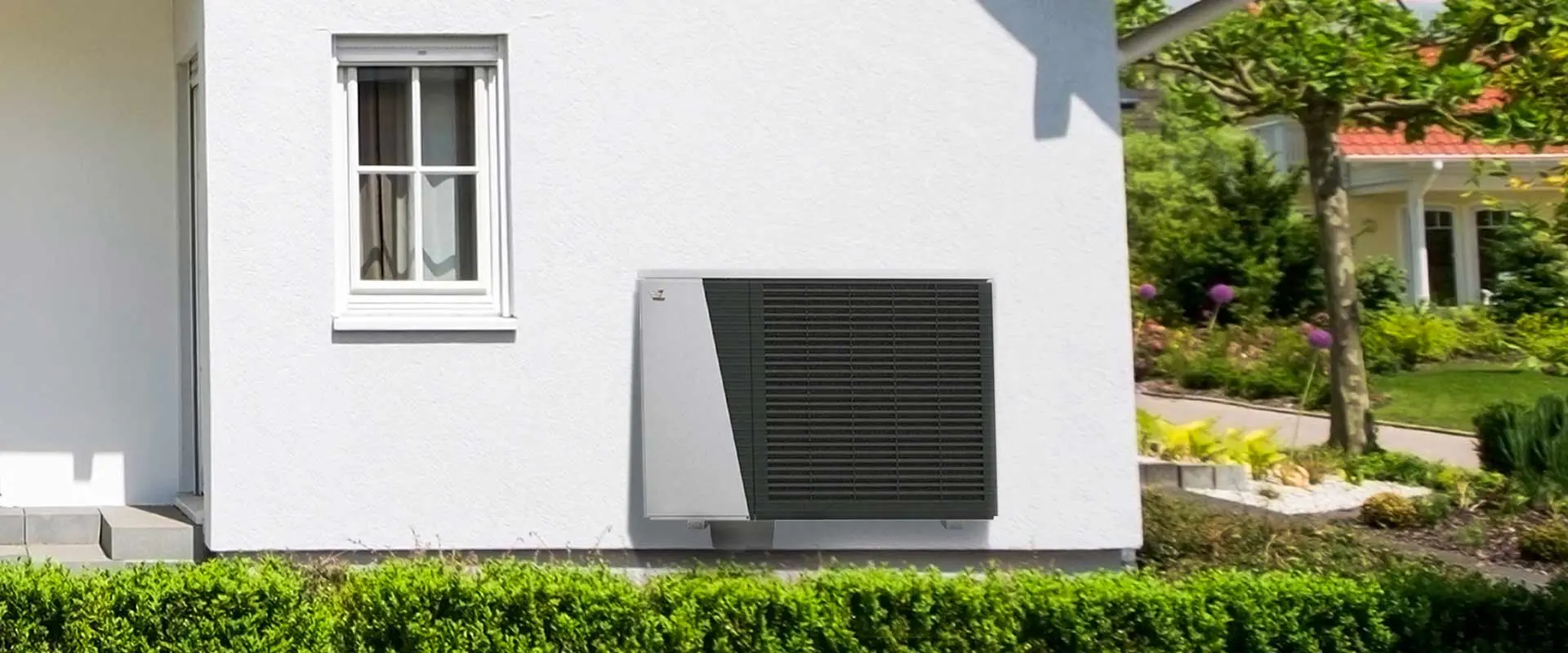
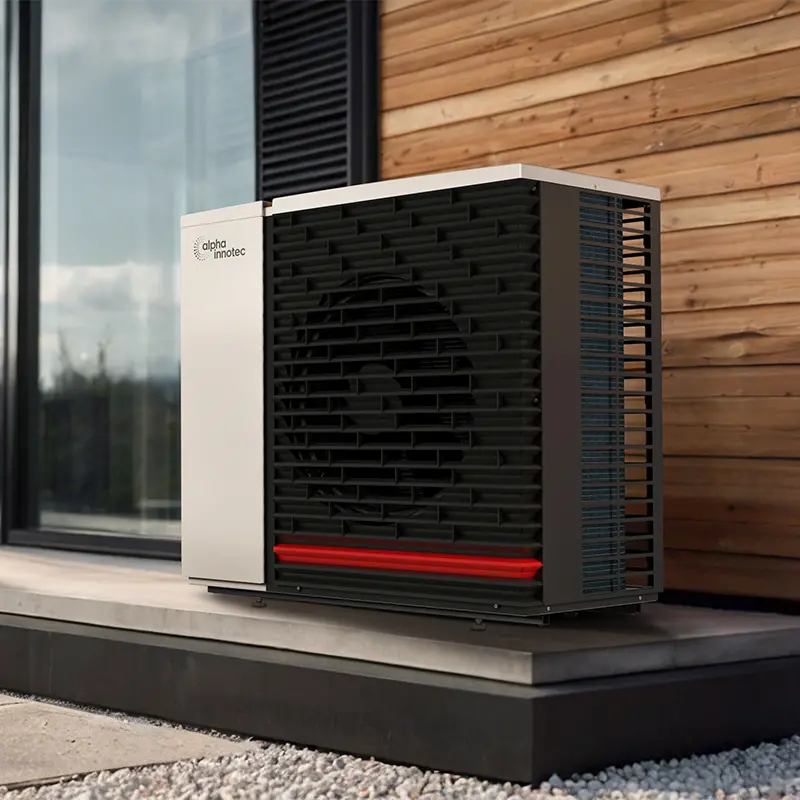
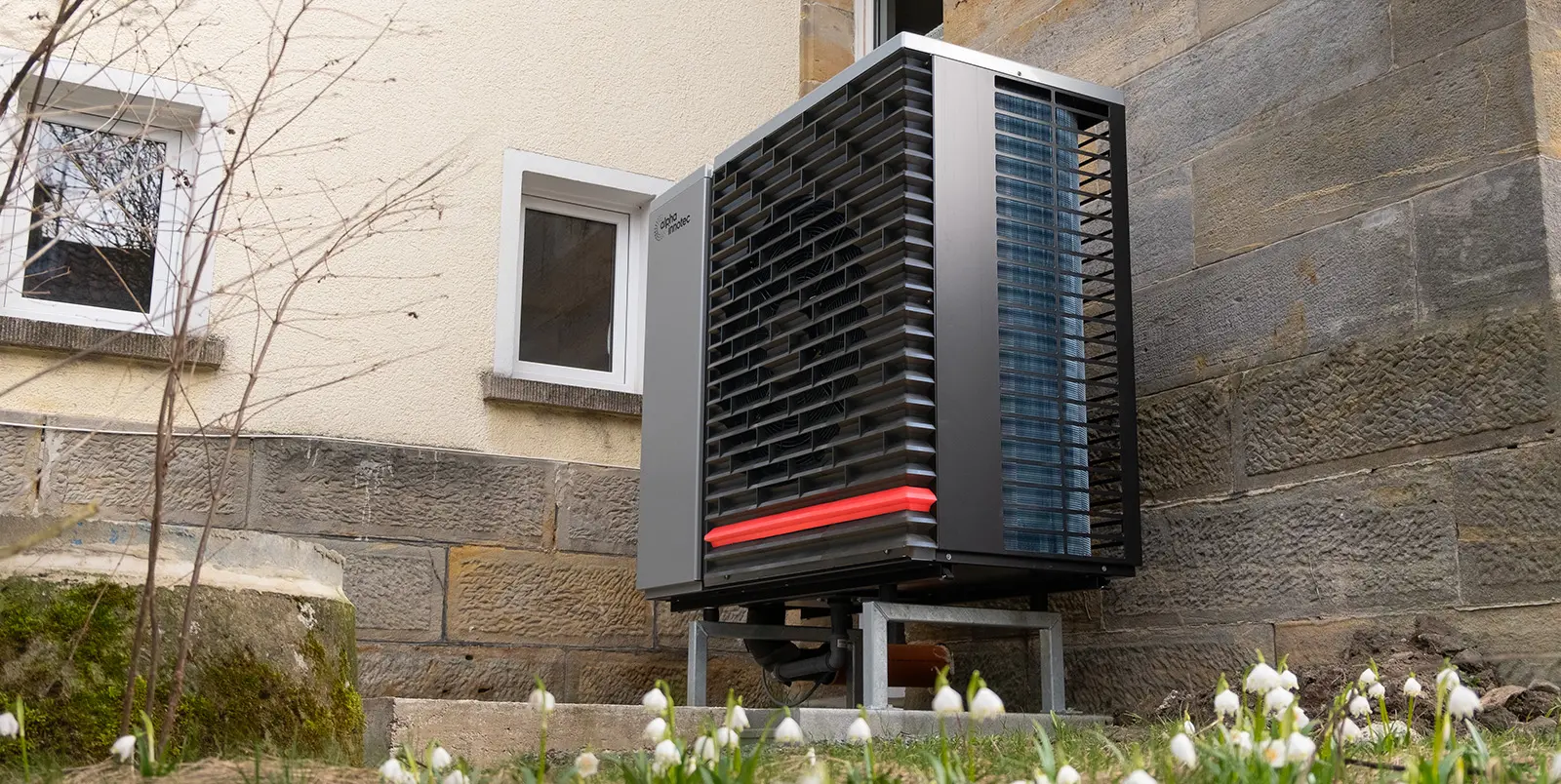
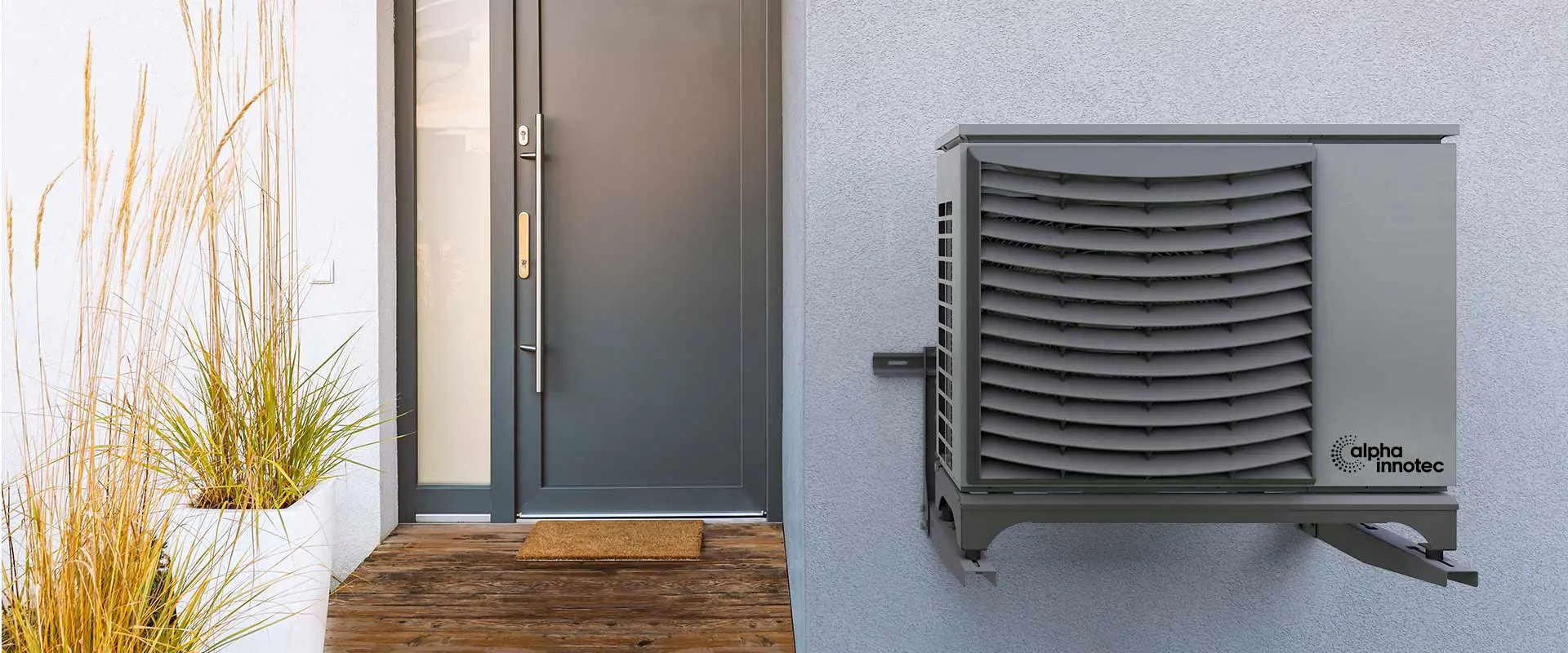
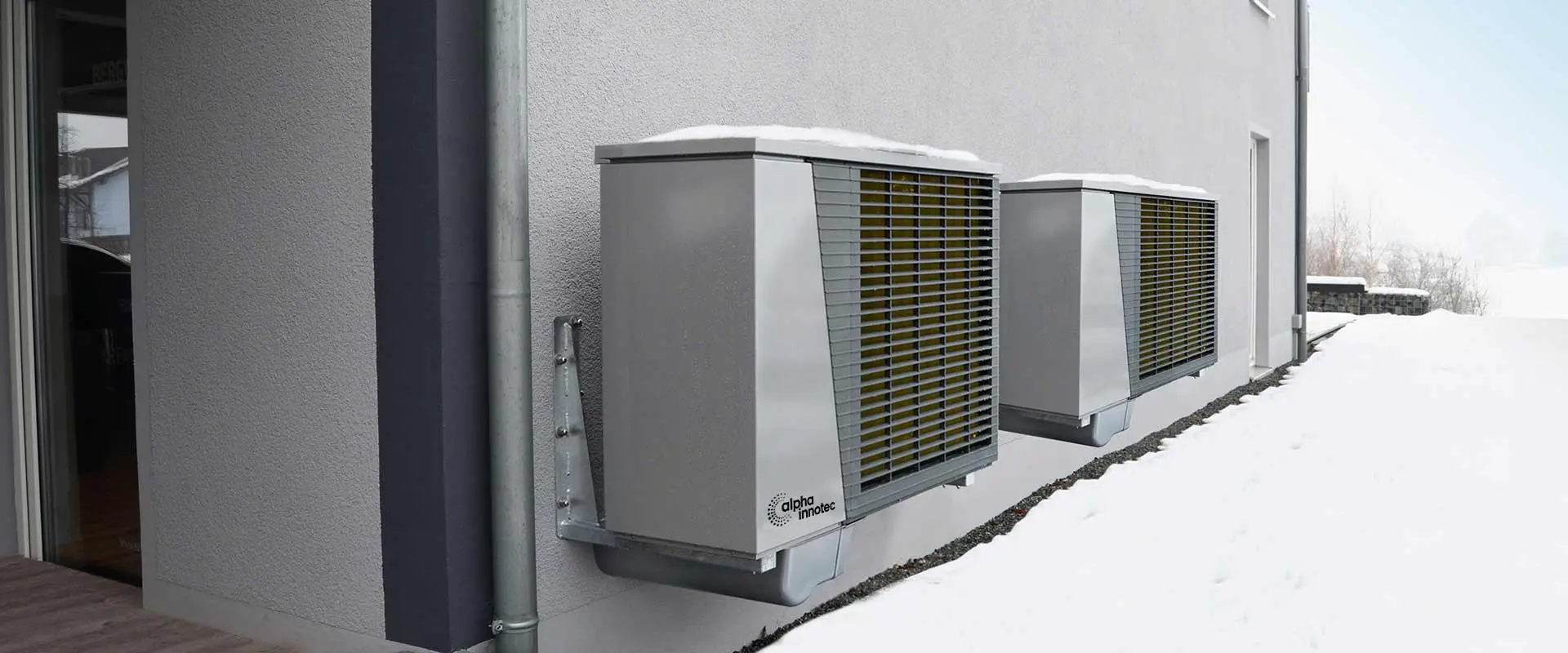
Air-to-water heat pumps are usually installed outdoors. The following applies here: a stable, vibration-free surface (e.g., concrete foundation) and a minimum distance of 3 m from neighbors. Make sure that there are no ignition sources or exhaust air openings nearby.
Fire protection and escape routes
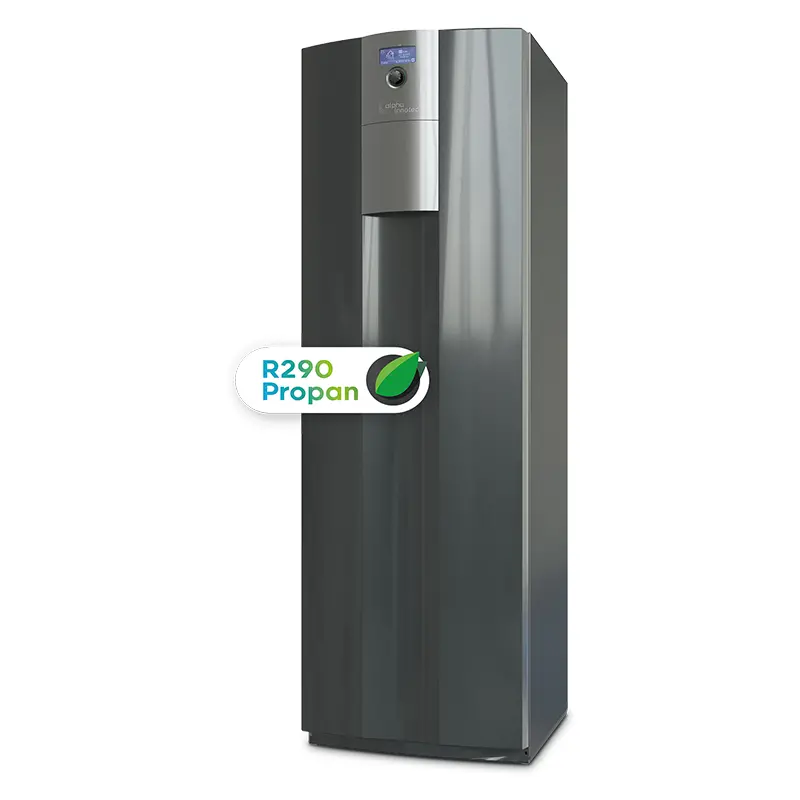
Propane heat pumps (R290) are considered safe, but must be installed at a certain distance from windows, doors, and escape routes. The exact requirements are specified in the state building regulations.
Requirements by heat pump type
Not all heat pumps have the same requirements. Depending on the heat source, the approval requirements, space requirements, and efficiency vary.
1. air source heat pumps
The air source heat pump is the most widely used type of heat pump in Germany – and for good reason. It uses the ambient air as a free source of heat and can therefore be installed almost anywhere. It is particularly suitable for existing buildings or retrofits because it does not require any costly earthworks or approval procedures.
Requirements & structural information:
- Solid, level outdoor surface (concrete slab or platform)
- Sufficient distance from the property boundary (at least 3 m recommended)
- Power connection (400 V) and condensate drainage required
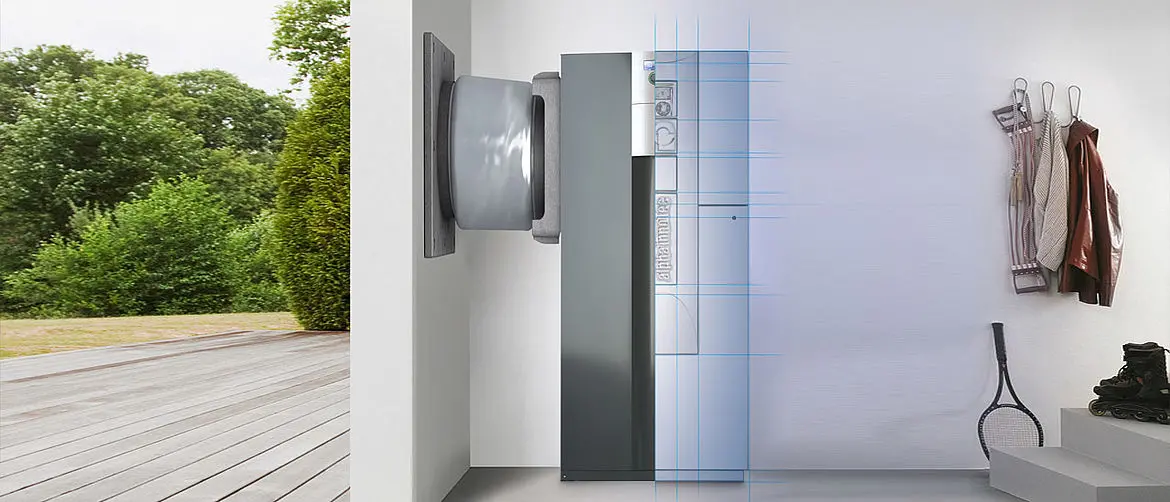
- For indoor installation: good air flow for supply and exhaust air (usually through two wall penetrations)
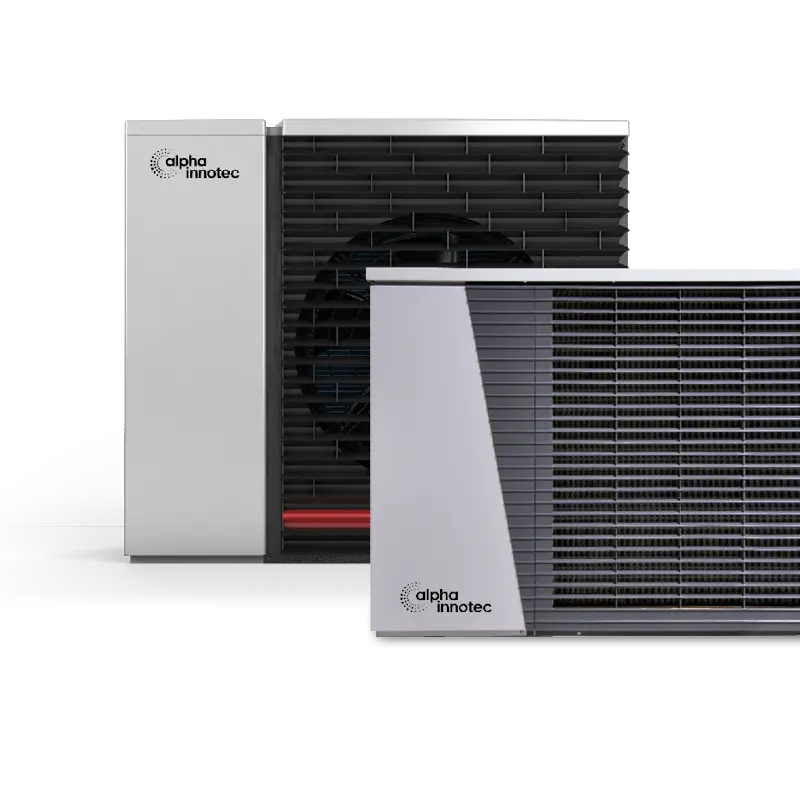
Hybrox Series
• Inverter Heat Pump
• Building heat load: 5-16 kW
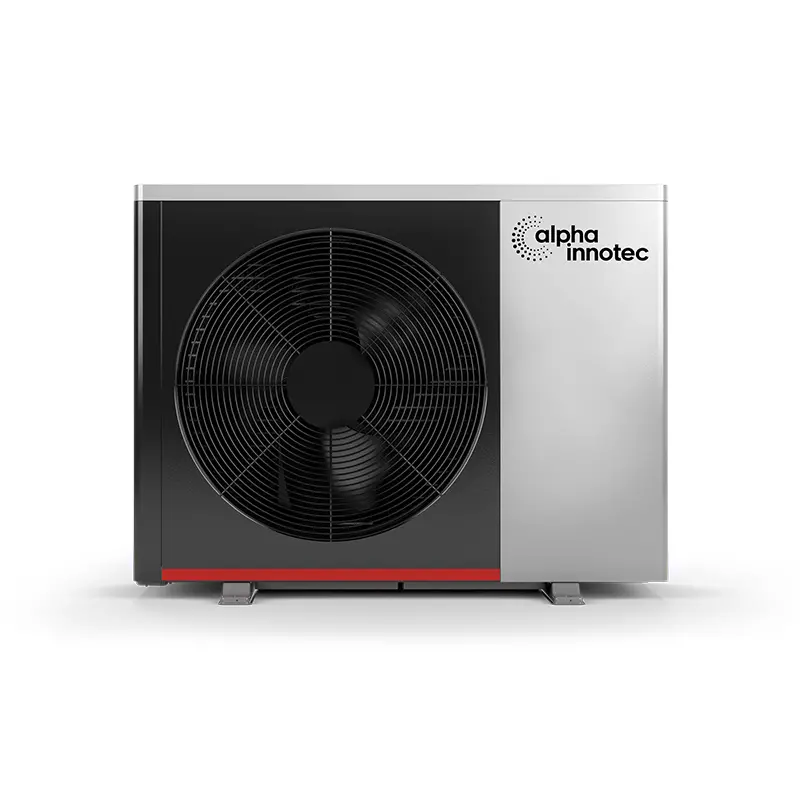
Hybrox SE Series
• Inverter Heat Pump
• Building heat load: 5-14 kW
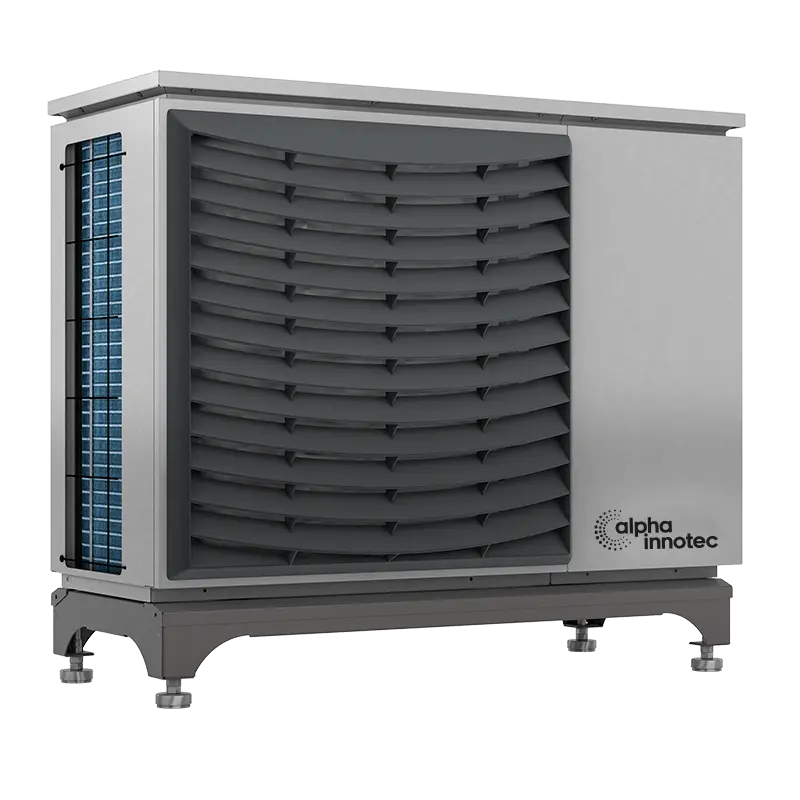
Jersey Series
• Inverter Heat Pump
• Building heat load: 7-9 kW
2. Geothermal heat pump
The ground Source Heat Pump, also known as a geothermal heat pump, uses the constant temperature of the ground as an energy source. This makes it particularly efficient, even at outdoor temperatures below 0 °C.
Prerequisites & structural requirements:
- Sufficient land area for geothermal probes or ground collectors
- Geothermal probe drilling (typically 60–100 m deep) only with permission
- Alternative: Surface collectors with 1.5–2 × the living space to be heated
- No deep-rooted plants or sealed surfaces above the collectors
- Drilling only permitted outside water protection areas
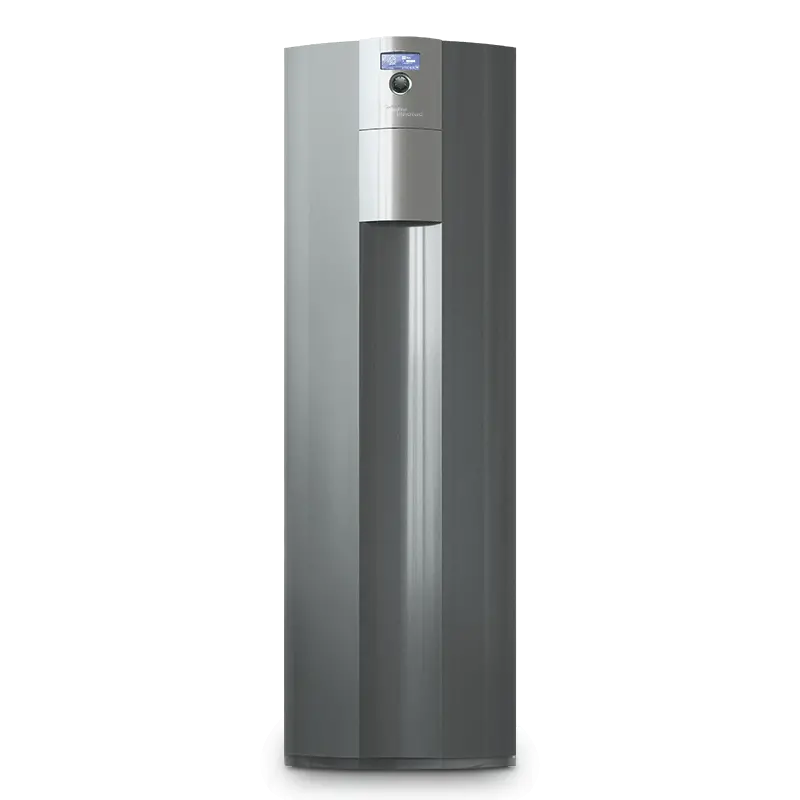
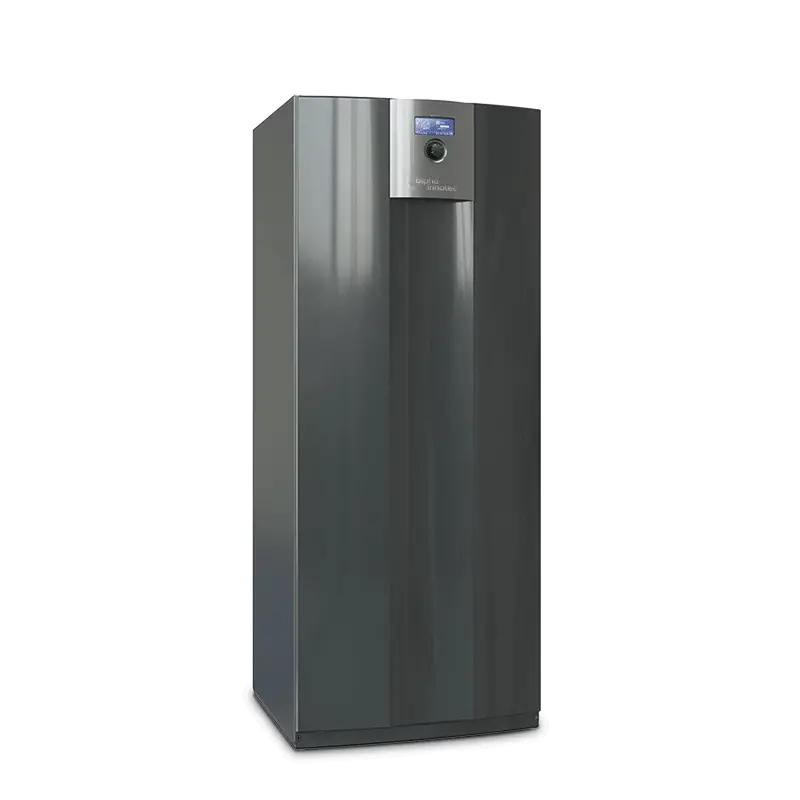
3. Hot water heat pump
The hot water heat pump, also known as a domestic hot water heat pump, is the most compact variant among heat pump systems. It is used exclusively for heating drinking water and is therefore an ideal addition to existing heating systems that are still operated with gas, oil, or district heating, for example.
Prerequisites & structural requirements:
- Room volume: at least 20 m³, preferably 25–30 m³ (e.g., basement, utility room)
- Temperature: room air permanently above 10 °C (ideally > 15 °C)
- Air volume flow: good circulation or connection to exhaust air system
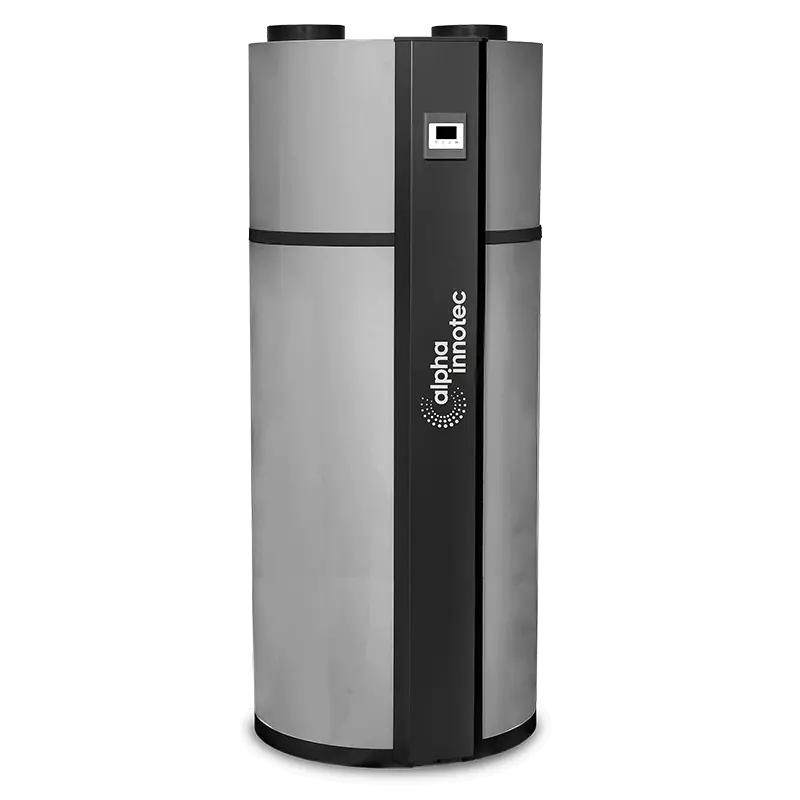
BWP Series
• Uses room air for hot water
• Highly efficient & quiet
• Easy installation
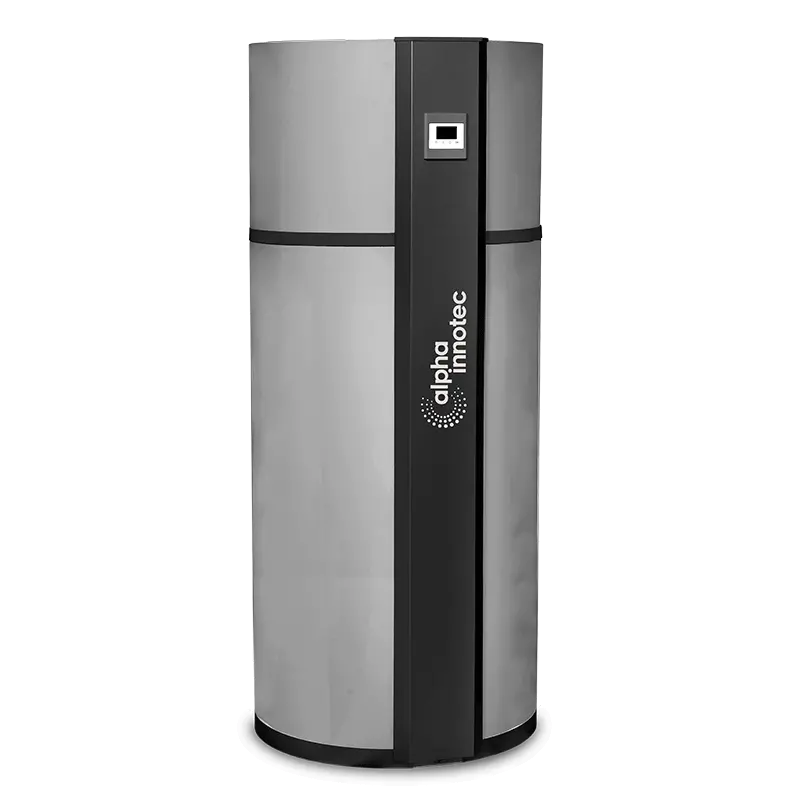
WWB Series
• Uses fluids for hot water
• Highly efficient & quiet
• Easy installation
When is a heat pump not a good idea?
Even though heat pumps can now be used in around 80% of all residential buildings, there are some cases where installation is not recommended for economic or technical reasons:
- When heat demand is very high
- When there is no insulation
- When there is an old heating system with small radiators
- When there is no space for outdoor modules or drilling
- In water protection areas or where drilling is prohibited (for geothermal heat pumps)
- In regions with very high electricity prices
Conclusion
A heat pump is technically and economically feasible in most buildings today, provided that the general conditions are right. If your house is well insulated, has sufficiently large heating surfaces, and you carry out professional planning, you can heat sustainably, quietly, and efficiently with a heat pump.


.webp)


_Referenz%20Neustadt%20am%20R%C3%BCbenberge.webp)
















.webp)